


Scallops • Crabs
Shrimps Products

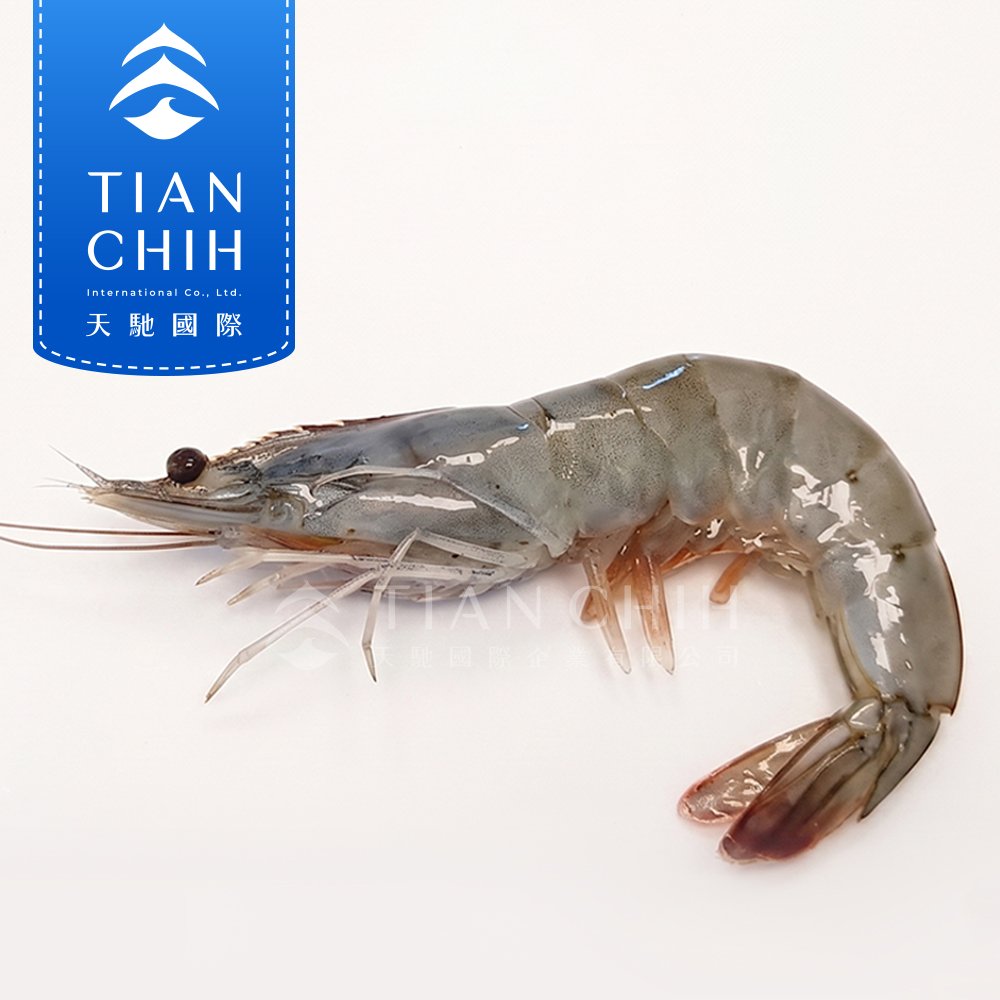
God of Prawns
Shipping & Origin
【Specifications】20/30、40/50
【Origin】Ecuador
【Specifications】20/30、40/50
【Origin】Ecuador
【Features】
“God’s Ebi” white shrimp 🦐 from Ecuador is a premium shrimp species from high-salinity waters, known as the “God of Shrimp.” Carefully raised in 100% high-salinity seawater farms, these shrimp grow slowly and are raised at low density to ensure ample space and oxygen levels for each shrimp, resulting in firmer, plumper, and more springy meat. God’s Ebi white shrimp has a high astaxanthin content, giving it a bright red color after cooking. The shrimp meat itself is extremely sweet, and the high salinity increases amino acid content. It has a unique sweet and salty flavor from the sea, requiring no seasoning. Air fry at 180 degrees Celsius for 8 minutes for a quick and delicious meal.
“God’s Shrimp” uses state-of-the-art flash-freezing technology to perfectly lock in the freshness and elasticity of freshly caught shrimp, allowing each bite to release a warm and balanced sweetness on the tongue, showcasing the unique crispness and rich flavor of top-grade white shrimp. All of “God’s Shrimp’s” suppliers are ASC certified (an international aquaculture certification system managed and operated by the Aquaculture Regulatory Commission (ASC)).
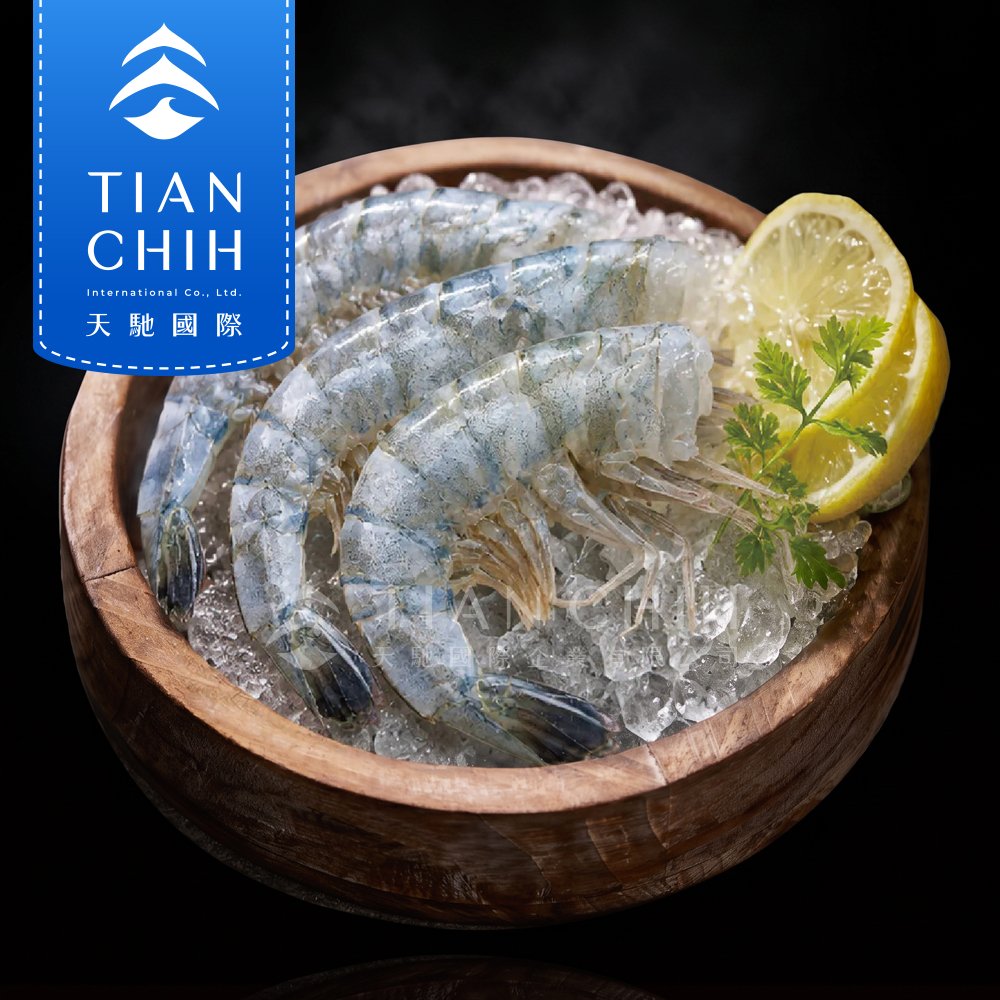
Headless Vannamei Shrimp
Shipping & Origin
【Specifications】31/40
【Origin】Ecuador
【Specifications】31/40
【Origin】Ecuador
【Features】
“God’s Ebi” white shrimp 🦐 from Ecuador is a premium shrimp species from high-salinity waters, known as the “God of Shrimp.” Carefully raised in 100% high-salinity seawater farms, these shrimp grow slowly and are raised at low density to ensure ample space and oxygen levels for each shrimp, resulting in firmer, plumper, and more springy meat. God’s Ebi white shrimp has a high astaxanthin content, giving it a bright red color after cooking. The shrimp meat itself is extremely sweet, and the high salinity increases amino acid content. It has a unique sweet and salty flavor from the sea, requiring no seasoning. Air fry at 180 degrees Celsius for 8 minutes for a quick and delicious meal.
“God’s Shrimp” uses state-of-the-art flash-freezing technology to perfectly lock in the freshness and elasticity of freshly caught shrimp, allowing each bite to release a warm and balanced sweetness on the tongue, showcasing the unique crispness and rich flavor of top-grade white shrimp. All of “God’s Shrimp’s” suppliers are ASC certified (an international aquaculture certification system managed and operated by the Aquaculture Regulatory Commission (ASC)).
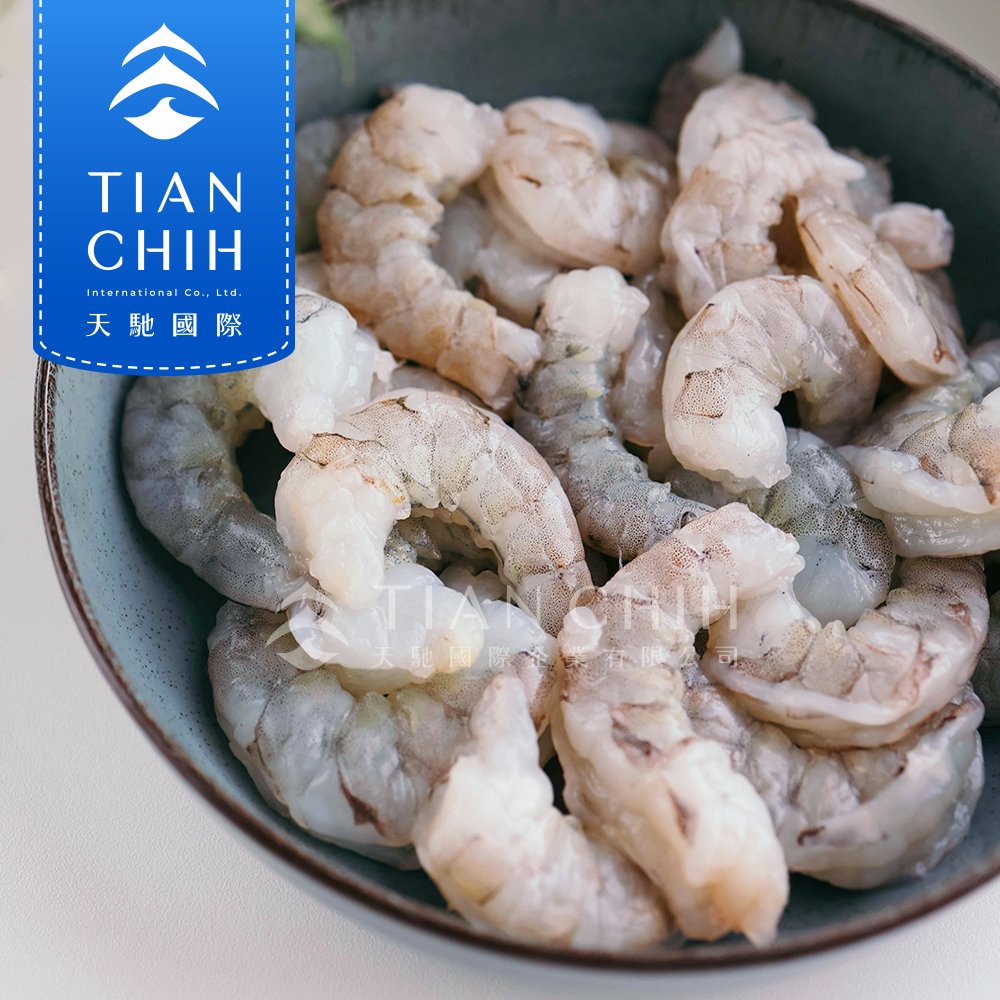
God of Prawns (White Shrimp Meat)
Shipping & Origin
【Specifications】1 box 1.8 KG / 1 case of 10.8KG
【Origin】Ecuador
【Specifications】1 box 1.8 KG / 1 case of 10.8KG
【Origin】Ecuador
【Features】
“God’s Ebi” white shrimp 🦐, sourced from Ecuador, is a premium shrimp species raised in high-salinity waters, known as the “God of Shrimp.” Carefully raised in 100% high-salinity seawater farms, these shrimp grow slowly and are raised at low density to ensure ample space and oxygen levels for each individual, resulting in firmer, plumper, and more springy meat. God’s Ebi white shrimp is high in astaxanthin, giving it a bright red color after cooking. The shrimp meat is naturally very sweet, and the high salinity increases its amino acid content, resulting in a unique sweet and salty flavor nurtured by the sea without the need for seasoning. Each shrimp is hand-peeled, showcasing its natural translucent color and tender, sweet texture. Air-fry at 180 degrees Celsius for 8 minutes for a quick and delicious experience.
“God’s Shrimp” uses state-of-the-art flash-freezing technology to perfectly lock in the freshness and elasticity of freshly caught shrimp, allowing each bite to release a warm and balanced sweetness on the tongue, showcasing the unique crispness and rich flavor of top-grade white shrimp. All of “God’s Shrimp’s” suppliers are ASC certified (an international aquaculture certification system managed and operated by the Aquaculture Regulatory Commission (ASC).
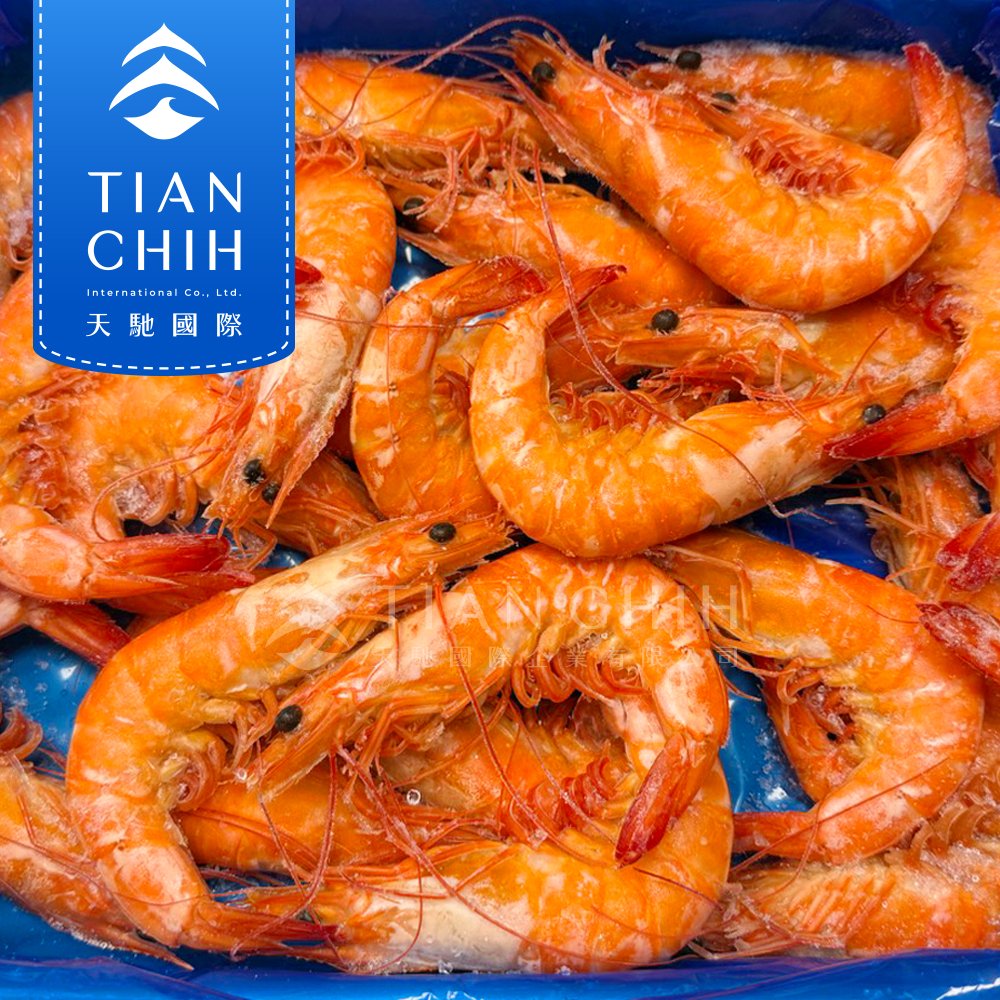
Vannamei Shrimp
Shipping & Origin
【Specifications】1 box, 1,100g (21/25 count)
【Origin】Thailand
【Specifications】1 box, 1,100g (21/25 count)
【Origin】Thailand
【Features】
Selected from premium aquaculture environments and flash-frozen immediately after harvest with computer-controlled steaming to lock in freshness, Thai cooked white shrimp offers a wonderfully springy, crisp texture and natural ocean sweetness. Its greatest advantage lies in its convenience: it is ready to eat or easily reheated after thawing, eliminating complex preparation time. The shells peel off easily without sticking to the meat, and it is high in protein and low in fat, making it an immensely popular frozen seafood ingredient that delivers exceptional taste, nutrition, and ultimate convenience.
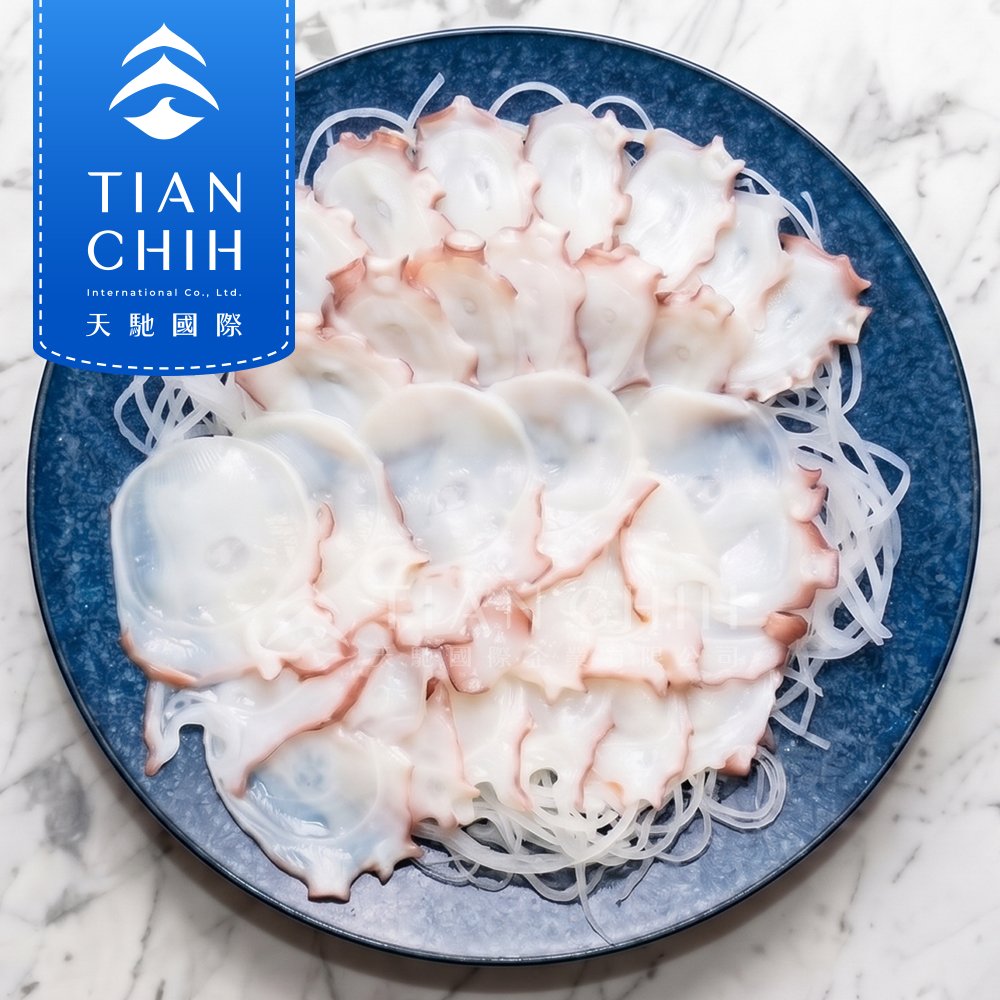
Hokkaido, Japan – Octopus Legs (slice)
Shipping & Origin
【Specifications】Sliced (250g/tray, 3kg/box = 12 boxes)
【Origin】Hokkaido, Japan
【Specifications】Sliced (250g/tray, 3kg/box = 12 boxes)
【Origin】Hokkaido, Japan
【Introduction】
Japanese frozen octopus legs come from the cold, pristine waters surrounding Hokkaido. The low temperatures slow down the octopus’s growth, resulting in firm, elastic flesh with a particularly sweet and natural flavor. The thick leg meat retains its chewy texture even after heating, making it a favorite among gourmets. Whether served as an appetizer or a side dish, it showcases the pure, natural freshness of Hokkaido (grilling the whole octopus leg over high heat brings out its best aroma, while cold octopus slices offer a refreshing and appetizing flavor).
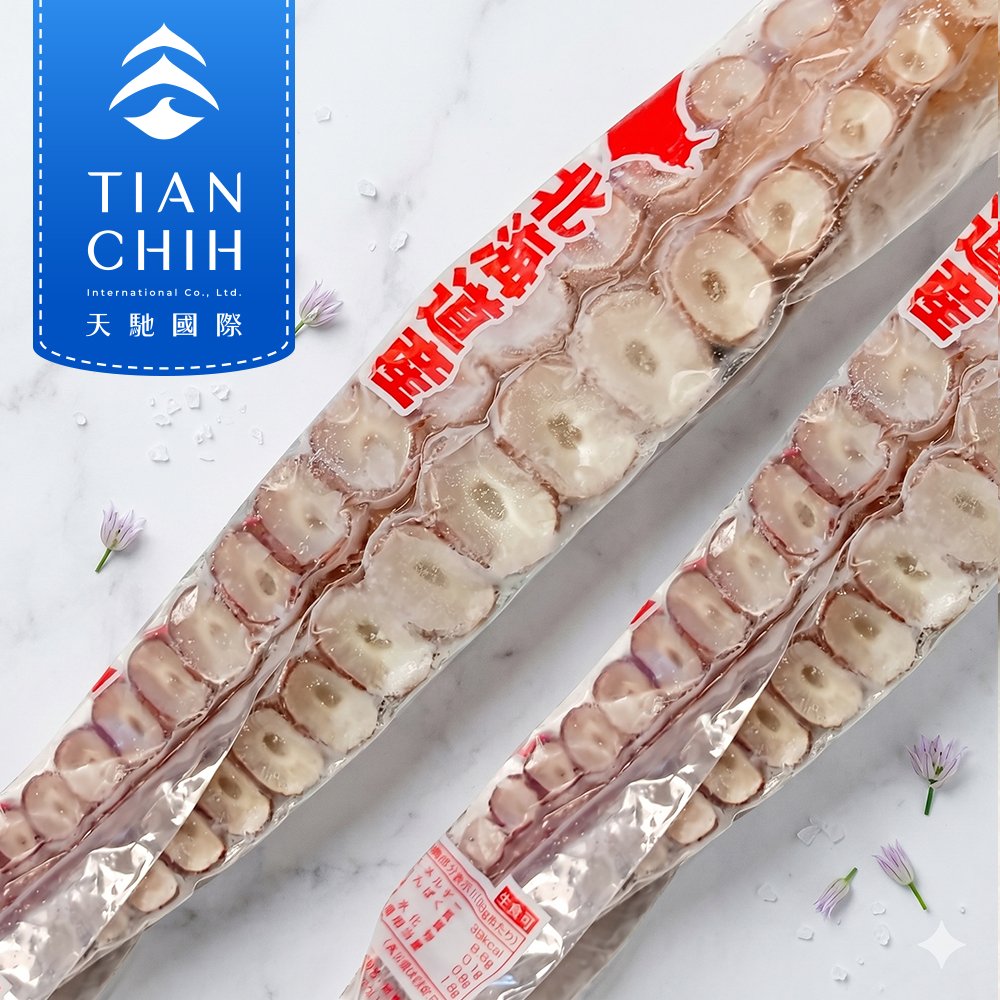
Hokkaido, Japan – Octopus Legs (The whole)
Shipping & Origin
【Specifications】Whole strip (700-750g/strip, 5kg/box = 7 strips)
【Origin】Hokkaido, Japan
【Specifications】Whole strip (700-750g/strip, 5kg/box = 7 strips)
【Origin】Hokkaido, Japan
【Introduction】
Japanese frozen octopus legs come from the cold, pristine waters surrounding Hokkaido. The low temperatures slow down the octopus’s growth, resulting in firm, elastic flesh with a particularly sweet and natural flavor. The thick leg meat retains its chewy texture even after heating, making it a favorite among gourmets. Whether served as an appetizer or a side dish, it showcases the pure, natural freshness of Hokkaido (grilling the whole octopus leg over high heat brings out its best aroma, while cold octopus slices offer a refreshing and appetizing flavor).
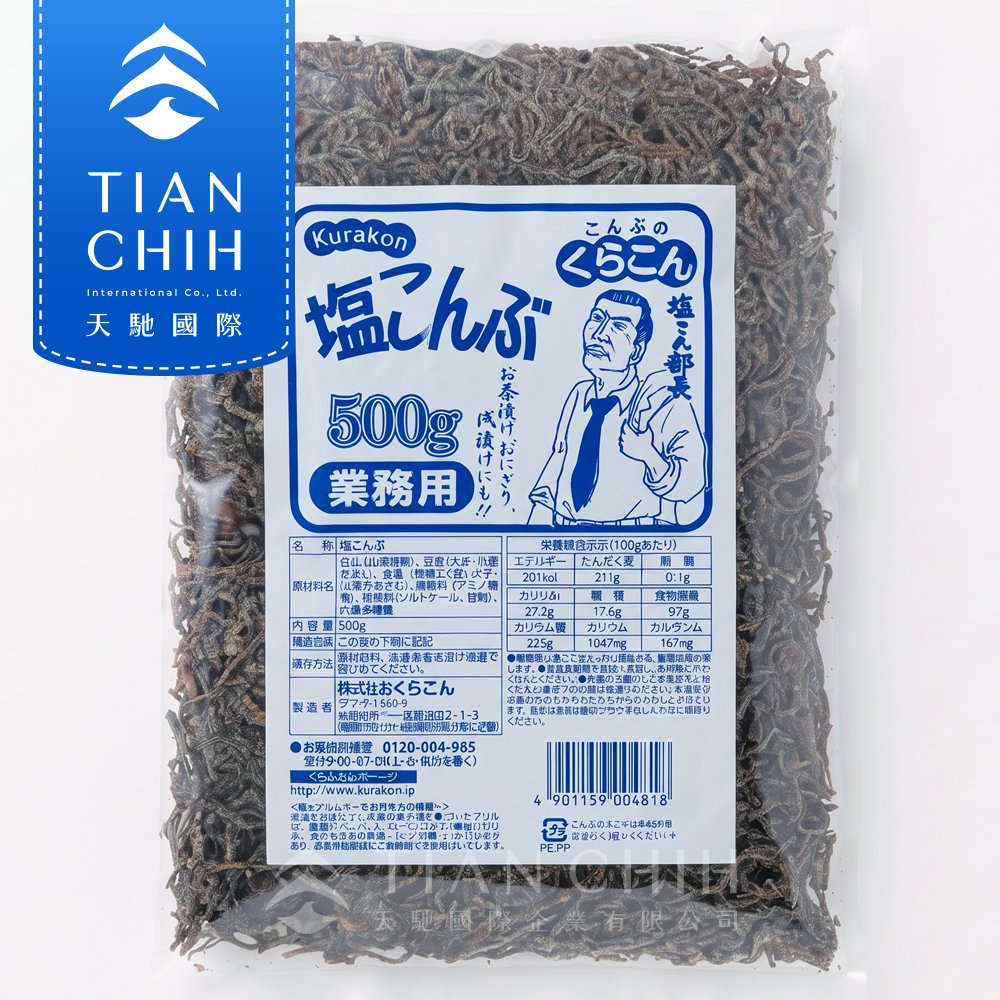
Kombu (For commercial use)
Shipping & Origin
【Weight】1 pack(500g), 1 box of 10 packs
【Origin】Osaka Prefecture, Japan
【Weight】1 pack(500g), 1 box of 10 packs
【Origin】Osaka Prefecture, Japan
【Introduction】
Kombu is a type of Japanese brown algae (commonly known as kelp) rich in umami flavor. It is abundant in minerals and trace elements, with higher content than most vegetables. Kombu is a natural MSG (no seasoning required), and due to its unique umami components, it enjoys the reputation of being the “King of Broth” and the “King of Umami,” making it the soul of Japanese cuisine. It is commonly used to enhance umami flavor, simmer dashi (broth), and is an indispensable ingredient in Japanese cooking. Kombu is highly nutritious, containing abundant minerals, low in calories, and rich in calcium, iron, dietary fiber, and antioxidants, making it beneficial to health.Kombu = High Minerals + Seaweed Soluble Fiber + Natural Umami Amino Acids = Low-Calorie Marine Plant Ingredient
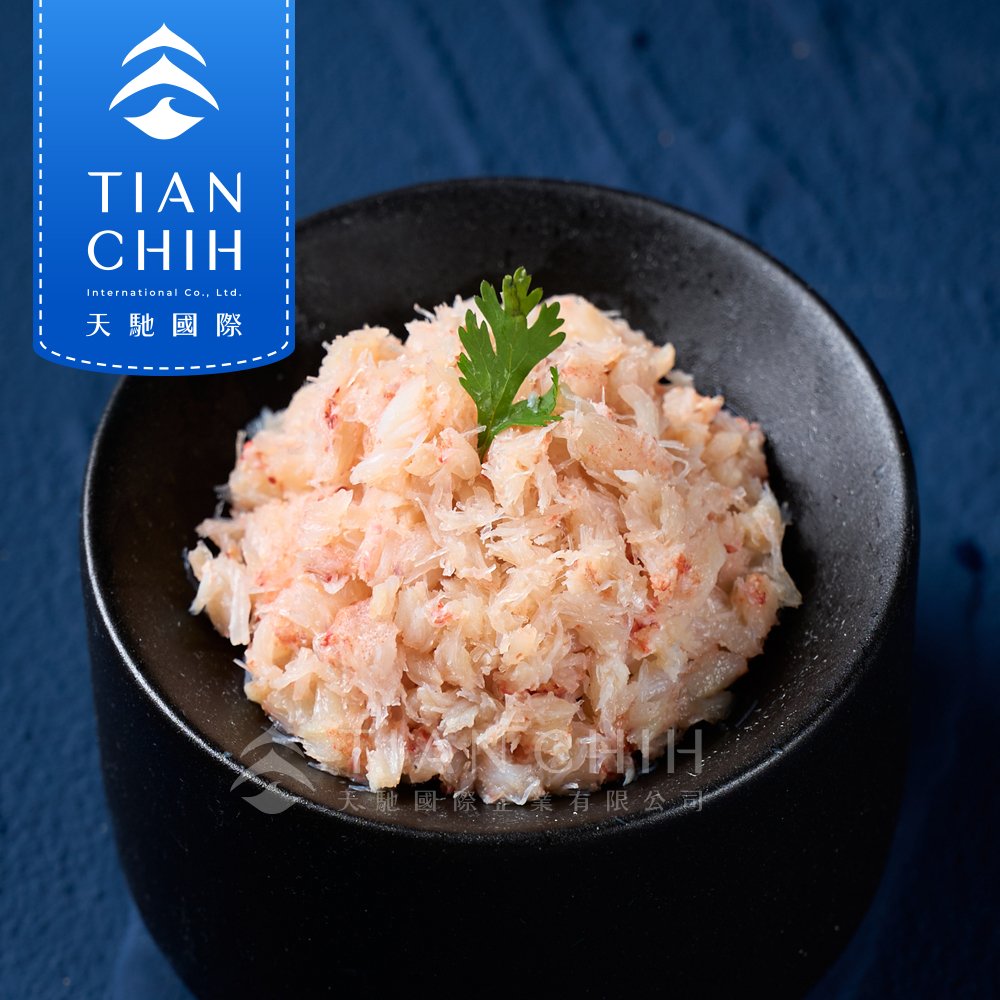
Hokkaido Hairy Crab Meat Flakes
Shipping & Origin
【Weight】100g/box, 1kg/pack (for business use)
【Origin】Hokkaido, Japan
【Weight】100g/box, 1kg/pack (for business use)
【Origin】Hokkaido, Japan
【Introduction】
100% Hokkaido hairy crab meat, hand-shredded to save you the hassle of peeling and preserve its purest sweetness. This Hokkaido hairy crab meat comes from the cold, clear waters of Japan, where the crabs are known for their sweet, delicate, firm, and elastic flesh. The meat is snow-white and smooth, speckled with pale orange crab roe, and has a soft, elastic texture with a natural sweetness and rich ocean flavor. Pre-cooked and frozen, this convenient meat is ready to eat after thawing. Whether eaten raw or simply heated, it adds a luxurious touch and elegant flavor to seafood dishes, perfect for crab risotto, luxurious crab salads, or adding to miso soup for a more sophisticated experience.
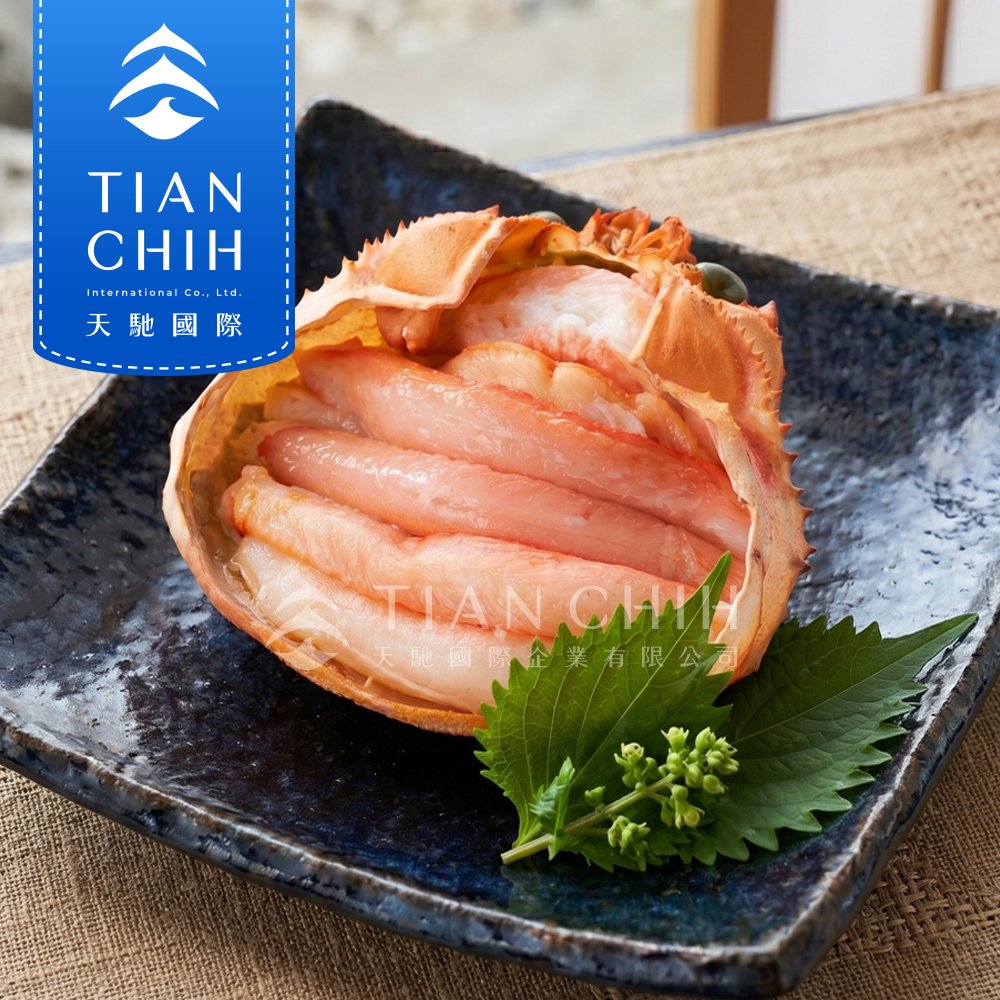
Japanese Ishikawa Korasei (Matsuha Crab Patties)
Shipping & Origin
【Weight】Approx. 80g/piece
【Origin】Ishikawa, Japan
【Weight】Approx. 80g/piece
【Origin】Ishikawa, Japan
【Introduction】
Kouramori, often called “Snow Crab Burger,” is a high-end crab dish from Kanazawa, Ishikawa Prefecture, Japan. Its unique feature is the meticulous extraction of crab meat and roe, which are then returned to the crab shell (Kouramori), effectively eliminating the most tedious crab-disassembling steps, allowing us to simply enjoy the meal elegantly. It uses Japanese snow crab (ズワイガニ), known for its delicate texture, tender fibers, high sweetness, and rich, layered flavors, presenting a full-bodied umami taste and a rich, sweet ocean aroma. The soul of Kouramori lies in its “crab roe,” with golden-orange roe and snow-white crab meat covering the shell, symbolizing “enjoying the essence of a whole crab.” 🦀There are many ways to enjoy it: you can enjoy the original flavor directly, or pair it with vinegar oranges, perilla leaves, seaweed, or mix it into hot white rice to make a deluxe crab rice bowl. Some restaurants even add a small amount of egg yolk and broth to make a rich mixed rice.
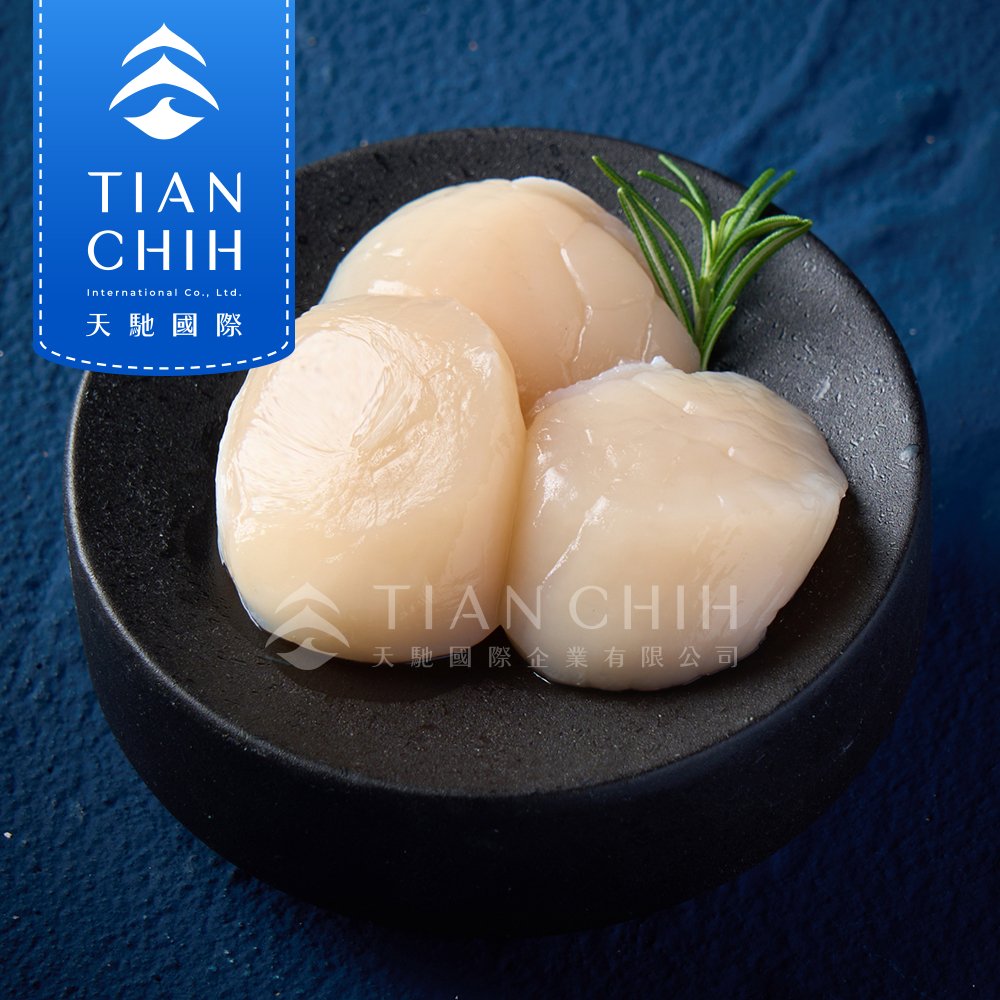
Japanese Hokkaido scallops (for raw consumption)
Shipping & Origin
【Specifications】4S/5S/2L/3L (1 box = 1 kg, 1 carton = 10 kg)
【Origin】Hokkaido, Japan
【Specifications】4S/5S/2L/3L (1 box = 1 kg, 1 carton = 10 kg)
【Origin】Hokkaido, Japan
【Nutritional Value】
Hokkaido raw-eating grade scallops, grown in the clean, clear, and cold northern waters, possess a pure and elegant sweetness. The “scallop” label immediately identifies the grade. The meat is firm yet delicate; a bite reveals its silky smoothness, followed by the purest sweetness of the ocean, then the characteristic chewiness of scallops, and finally, an unparalleled sweetness. Each scallop is plump, thick, and round, completely free of chemical additives. Besides being eaten raw, pan-frying them on both sides with butter until golden brown locks in the juices—this is a five-star restaurant dish, like a delicate “jewel of the sea,” sparkling brightly. 💎✨💎✨
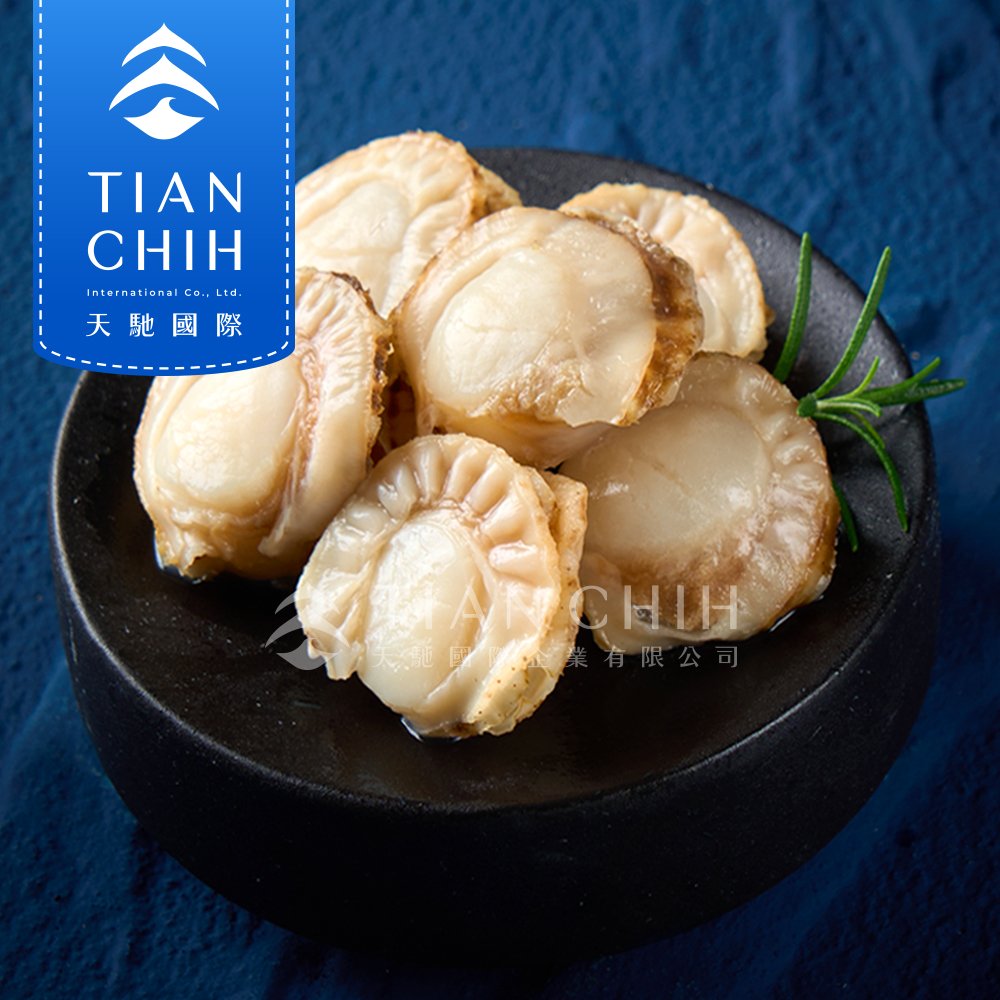
Japanese Aomori scallop
Shipping & Origin
【Specifications】S/L (1 bag = 1 kg, 1 box = 10 kg)
【Origin】Aomori, Japan
【Specifications】S/L (1 bag = 1 kg, 1 box = 10 kg)
【Origin】Aomori, Japan
【Introduction】
Aomori scallops grow in the clear, calm waters of Mutsu Bay in Aomori Prefecture, Japan. The significant temperature difference in the seawater allows the scallops to grow slowly and evenly, resulting in plump, thick adductor muscles and a tender, elastic texture. These scallops are renowned for their sweet and delicious flavor and tender texture, making them a star ingredient in both the Japanese domestic and export markets. Due to strict production management and consistent quality, “Aomori Scallops” have become a symbol of the region, representing a guarantee of pure waters and top-quality seafood, and are one of Japan’s most representative high-end seafoods.
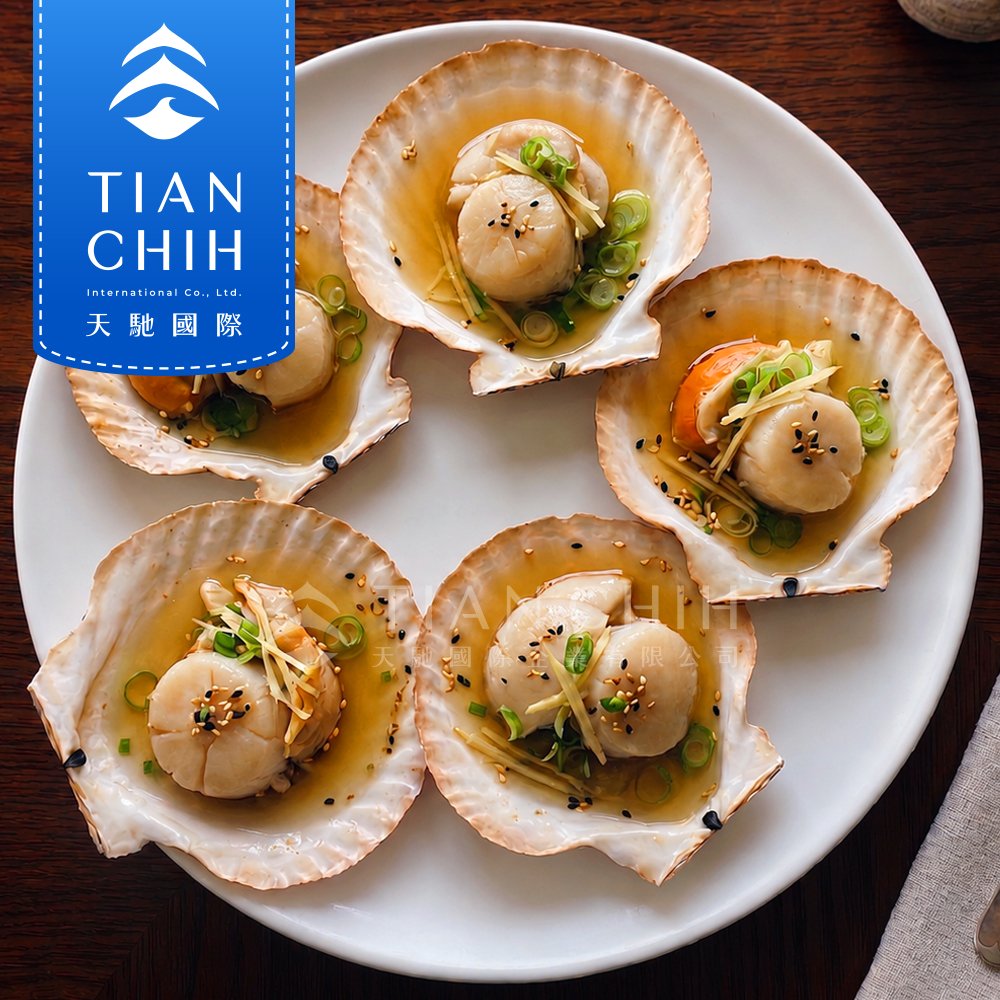
Half Shell Scallop
Shipping & Origin
【Specifications】500g (with and without eggs)
【Origin】Hokkaido, Japan
【Specifications】500g (with and without eggs)
【Origin】Hokkaido, Japan
【Features】
These half-shell scallops, sourced from Hokkaido, Japan, retain only one side of their shell, hence the name “half-shell scallop.” Growing in the cold, pristine waters of Hokkaido, the low temperatures slow their growth, resulting in thicker, fuller adductor muscles. They have a chewy, sweeter texture and are considered a highly nutritious and low-calorie seafood. Grilling or steaming them directly on a grill rack, and then eating them once the broth is just simmering, enhances their fresh, sweet ocean flavor, making them an exceptional value.
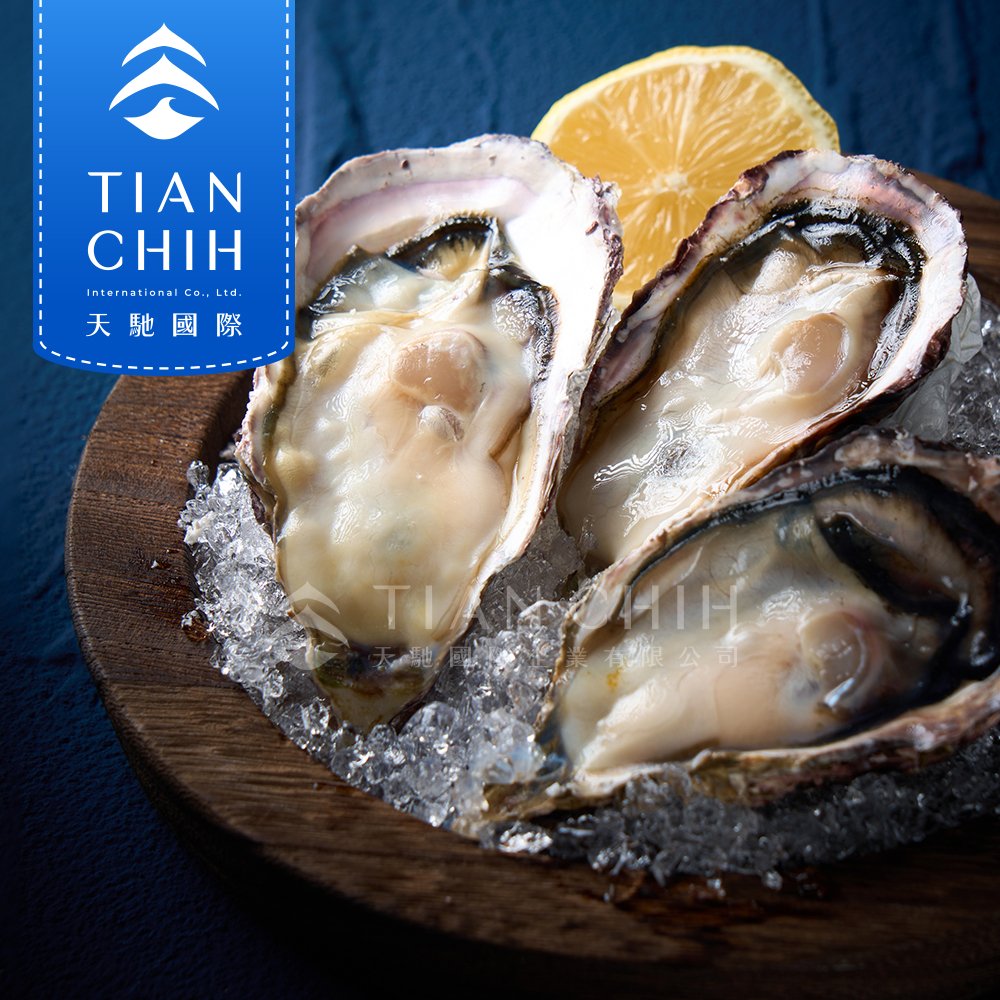
Japanese whole-shell oysters (raw food grade)
Shipping & Origin
【Specifications】L/2L/3L
【Origin】Hyogo Prefecture, Japan
【Specifications】L/2L/3L
【Origin】Hyogo Prefecture, Japan
【Introduction】
Murozu oysters, hailed as “milk of the sea,” have a short growth cycle (only one year), resulting in exceptionally clean and plump meat with absolutely no fishy taste. Their thin shells and thick flesh offer a crisp initial bite, followed by a rich, creamy aroma and a perfect balance of the salty and sweet flavors of the sea. The oysters leave a subtly sweet aftertaste, making them ideal for pairing with a few drops of lemon juice or sparkling wine. For gourmets seeking the ultimate raw food experience, Murozu oysters are undoubtedly the connoisseur’s choice.
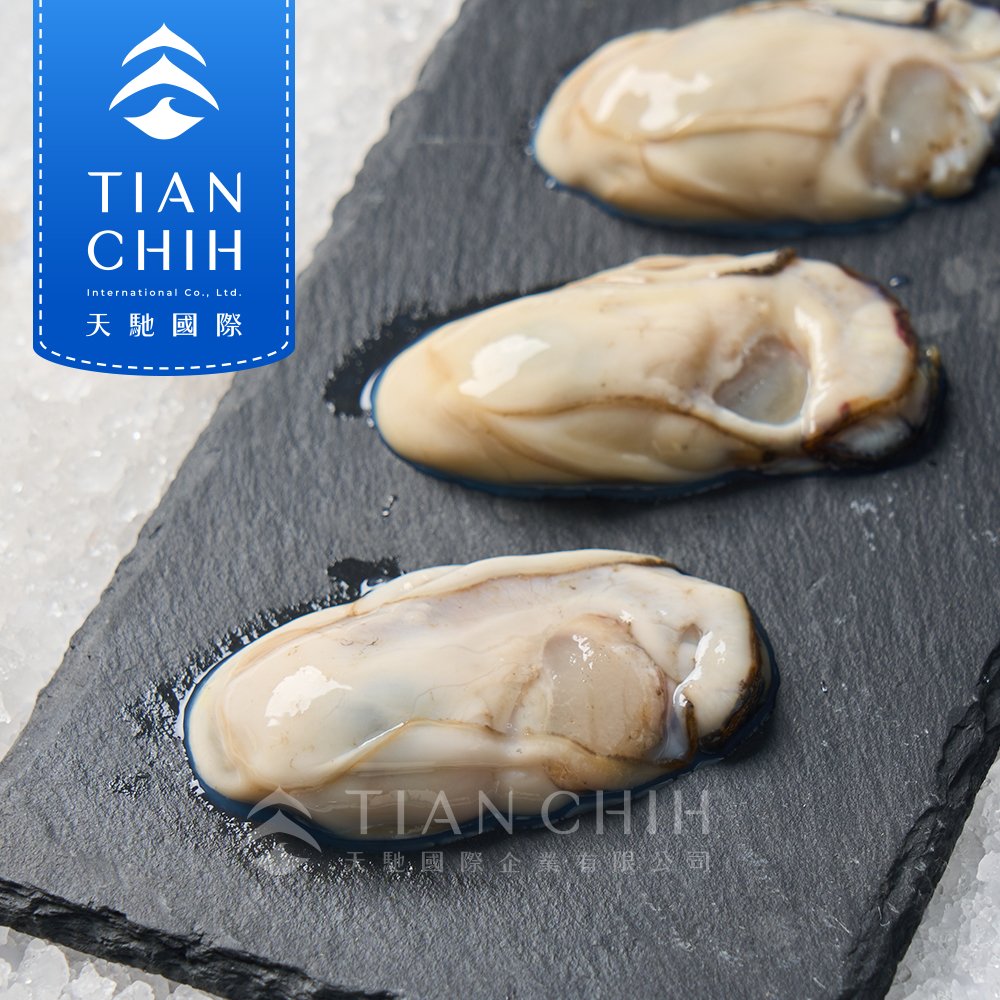
Japanese shelled oysters (Oyster meat/Pearl River water)
Shipping & Origin
【Specifications】2L (1 pack of 1K, 10 packs of 10K)
【Origin】Hiroshima, Japan
【Specifications】2L (1 pack of 1K, 10 packs of 10K)
【Origin】Hiroshima, Japan
【Introduction】
Japanese oysters, once shelled, are clean and plump, with a natural milky white color, rounded edges, and thick, tender flesh. Their sweetness is complemented by delicate layers of flavor, making them a high-quality ingredient that combines practicality with a premium feel. The waters off Harima Beach are clear and provide an excellent aquaculture environment, resulting in oysters that are plump, sweet, and exceptionally mild and delicate in flavor, without any fishy or astringent taste, offering a refreshing and balanced texture. Shelling these oysters makes them easy to cook, preserving their whole body and abundant juices. Whether steamed, grilled, stir-fried, or added to soups, they showcase their tender, juicy, and smooth texture.
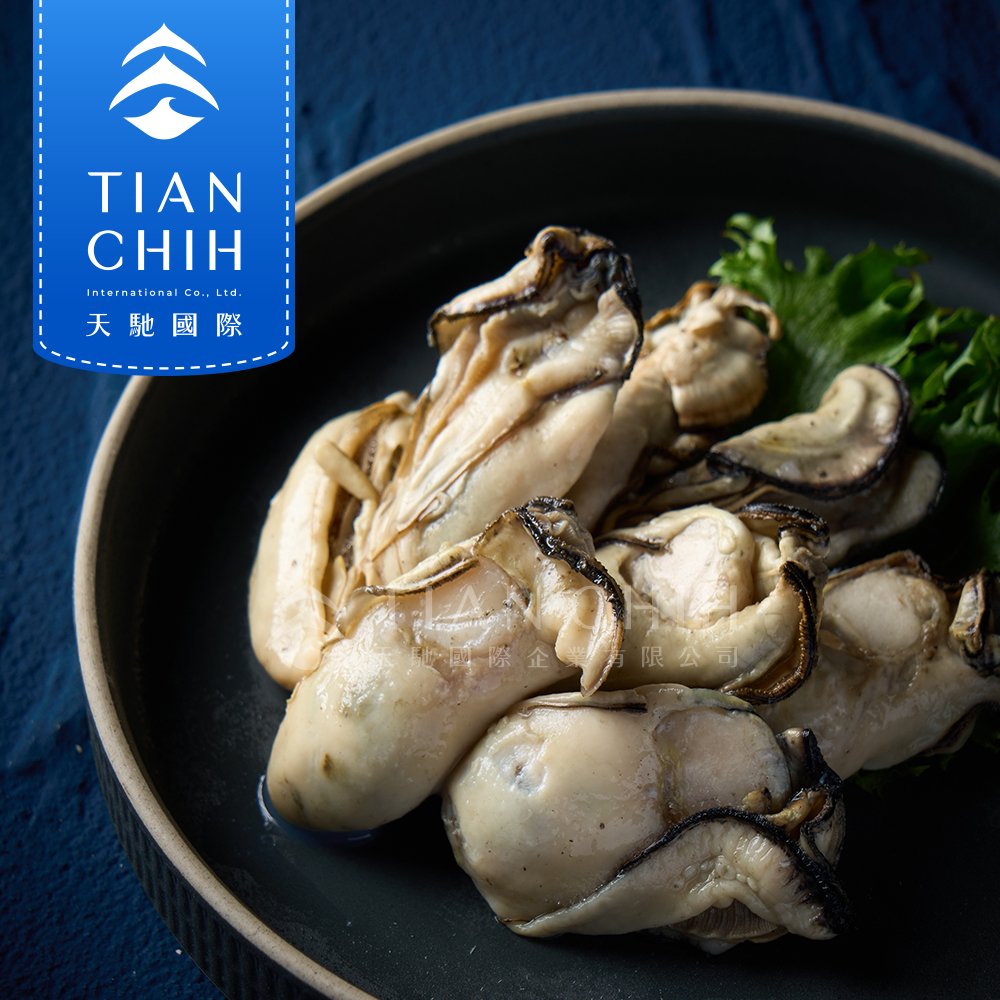
Japan Okayama steamed oysters
Shipping & Origin
【Specifications】L (500g/pack)
【Origin】Okayama Prefecture, Japan
【Specifications】L (500g/pack)
【Origin】Okayama Prefecture, Japan
【Introduction】
These oysters are sourced from the Seto Inland Sea in Okayama Prefecture, a region known as the “Land of Sunny Days.” The calm waters here are rich in nutrients, making it a renowned high-yield oyster-producing area in Japan. Okayama oysters are characterized by their ability to retain their volume after cooking; each one is round and plump, resembling a small fist. They have a firm yet tender texture, with a more concentrated flavor than raw oysters and an exceptionally high sweetness. We recommend thawing them and dipping them directly in a five-spice sauce, or lightly grilling them for 30 seconds to bring out a smoky aroma. This is the perfect choice for group members who prefer freshness but dislike raw oysters.
Processed Fish Products
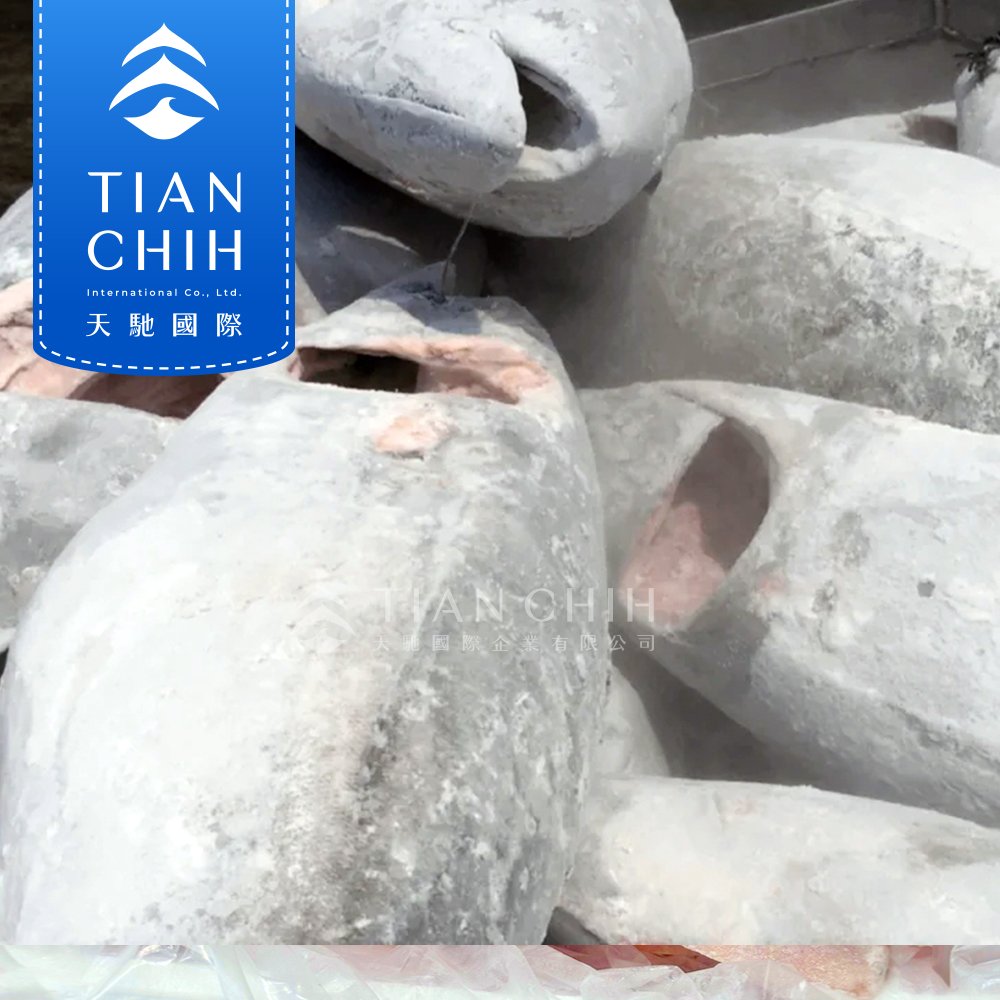
Yellowfin Tuna (Fish chunks/ Fish bricks) (Copy)
Shipping & Origin
【Features】
Yellowfin tuna has a delicate and elastic texture, offering a perfect chewiness. The sweetness from the deep sea and its natural acidity blend perfectly in the mouth, conquering the taste buds with an elegant, clean, and slightly acidic sweetness. Lightly searing the surface of the yellowfin tuna with a blowtorch releases an aroma of fish oil that instantly fills the air, creating a stunning dual effect of caramelized flavor and fresh texture. Even when made into nigiri sushi, the soft fish and slightly acidic vinegared rice complement each other perfectly, elevating the deliciousness of the yellowfin tuna to a whole new level.
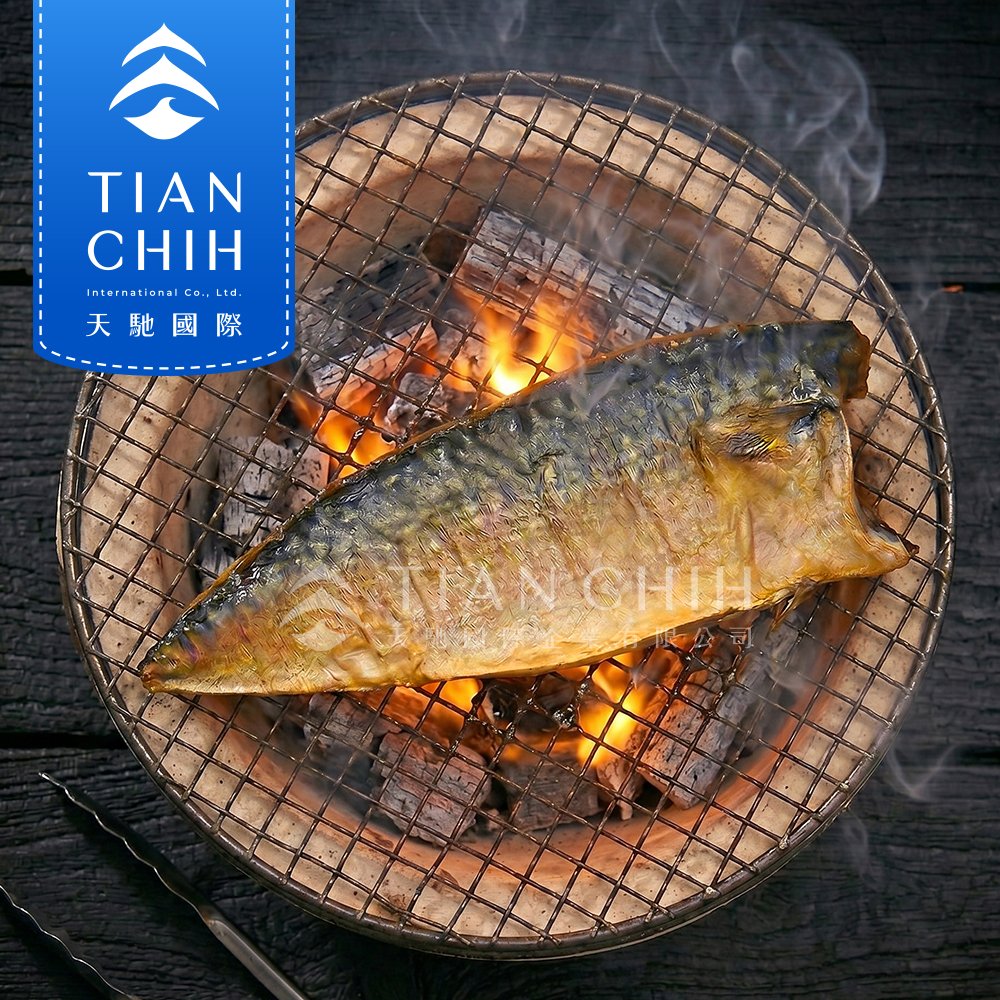
Salted Mackerel Fillet
Shipping & Origin
【Specifications】1 piece (M) 180-200g, (L) 200-220g, (5L) 300g
【Origin】Norway (Processed in Taiwan)
【Specifications】1 piece (M) 180-200g, (L) 200-220g, (5L) 300g
【Origin】Norway (Processed in Taiwan)
【Features】
“Norwegian Mackerel” is sourced from the cold, pristine waters of Northern Europe. The fish is rich in oil and has a delicate texture. It is lightly salted by skilled artisans to enhance its freshness, resulting in a rich, non-greasy flavor with a perfect balance of sweetness and saltiness. It is a classic gift from the sea for every meal. Simple grilling releases its rich aroma, with a moderate saltiness that showcases the pure essence of the seafood without excessive seasoning. Rich in Omega-3 fatty acids, it combines deliciousness with nutritional value. Whether paired with rice or served as a snack with drinks, it is a classic seafood dish that will leave a lasting impression. After thawing, simply steam or microwave for 5-8 minutes to easily create a restaurant-quality dish.
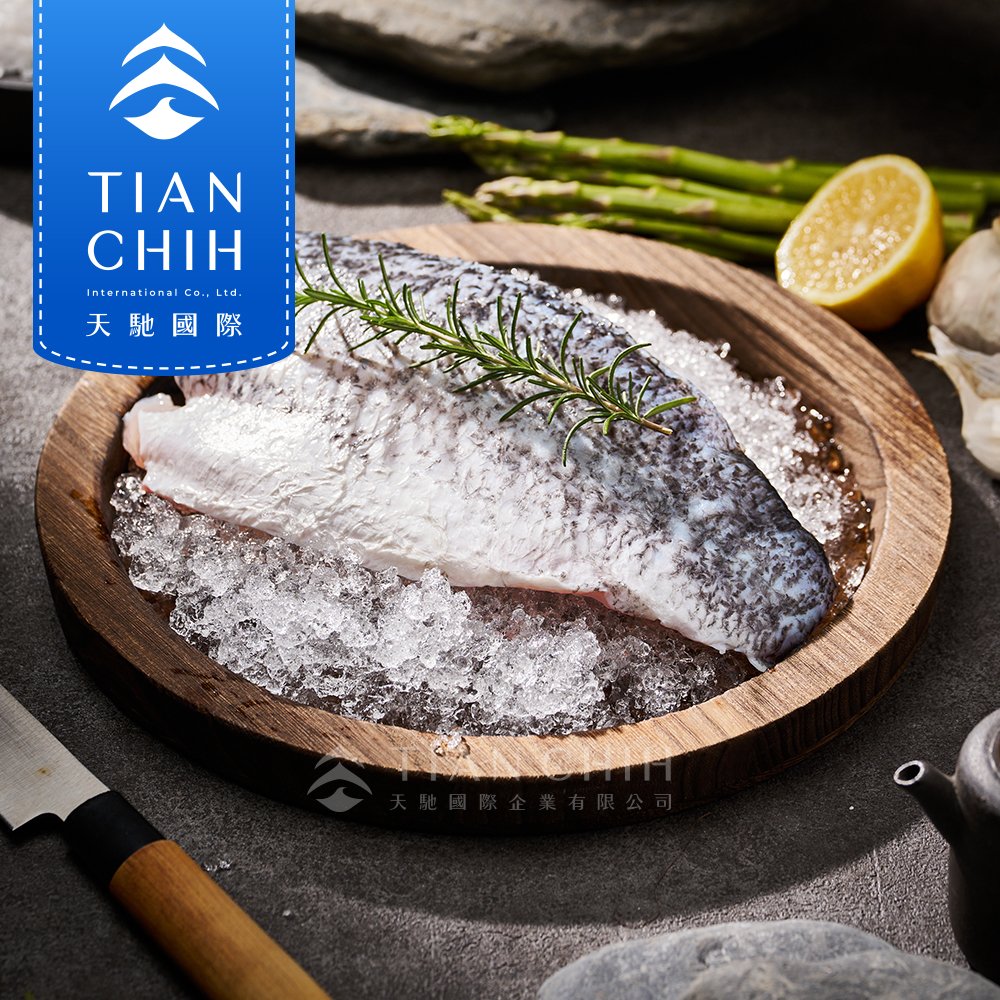
Barramundi Fillet
Shipping & Origin
【Specifications】300-400g per piece
【Origin】Taiwan
【Specifications】300-400g per piece
【Origin】Taiwan
【Special Features】
Goldeneye sea bass fillets are renowned in the seafood industry as “the fish for those who have undergone surgery, a post-operative savior, and a natural tonic for postpartum women.” This is due to their high nutritional value, containing easily absorbed small-molecule proteins and abundant collagen, making them an excellent source for body repair, wound healing, and boosting energy. Goldeneye sea bass has short, fine fibers, and when heated, its flesh becomes silky smooth, tender, and melts in your mouth, making it suitable for various cooking methods such as pan-frying, boiling, steaming, and hot pot. Pan-frying results in a slightly crispy exterior and tender, juicy flesh, releasing a sweet ocean flavor in every bite, making it extremely popular in both home cooking and fine dining.
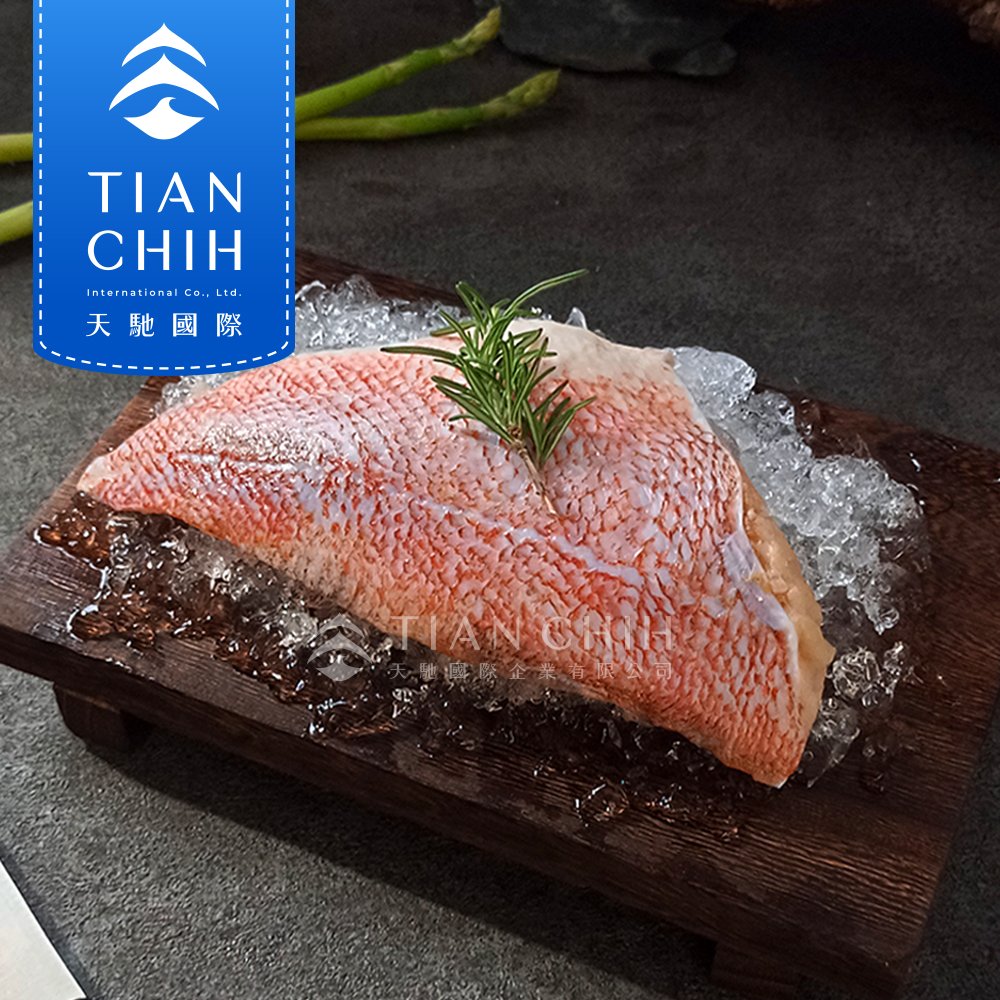
Red seabream (Madai)
Shipping & Origin
【Specifications】300-350g per piece
【Origin】Alaska, USA
【Specifications】300-350g per piece
【Origin】Alaska, USA
【Characteristics】
The Japanese red sea bream (Madai) is revered as the “King of Fish” because its name sounds like “congratulations” in Chinese, making it a lucky symbol at celebrations and celebratory banquets. The fish has a vibrant, brilliant pink body, with translucent white flesh adorned with shimmering pale blue spots along the spine and lateral lines. The flesh is firm and elastic, releasing a sweet and elegant aroma with each chew. Whether prepared as meticulously sliced sashimi, fragrant grilled sea bream, or the traditional “sea bream rice bowl,” it perfectly embodies its regal elegance.
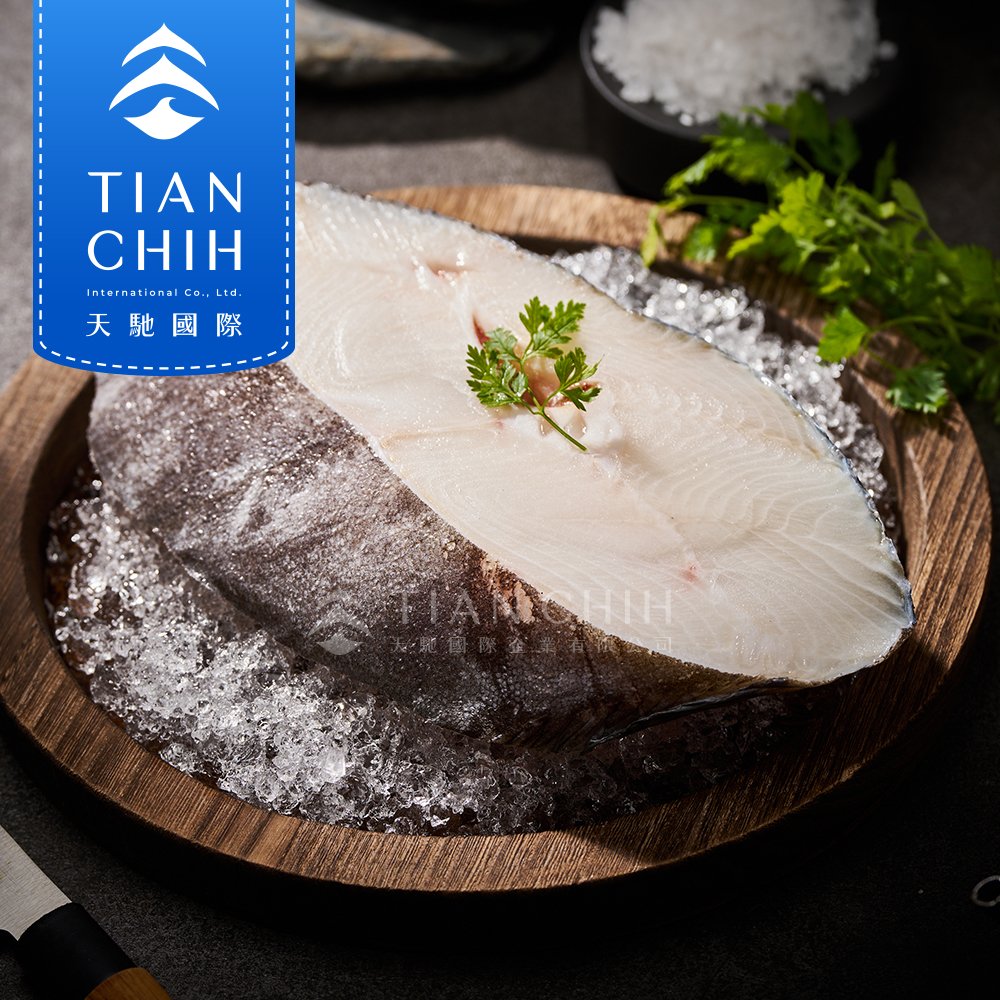
Greenland halibut
Shipping & Origin
【Specifications】2L (1 piece: 400g-500g; 1 package: 6KG)
【Origin】Greenland
【Specifications】2L (1 piece: 400g-500g; 1 package: 6KG)
【Origin】Greenland
【Features】
Greenland halibut (flat cod) lives in the cold, deep waters of the North Atlantic. Rich in Omega-3 fatty acids and high-quality oils, its flesh is white and thick, with almost no hidden bones, making it ideal for the elderly and children. After cooking, the flesh is silky smooth, melts in your mouth, and has a mild, sweet flavor, often described as “ice cream of the sea.” It can be perfectly prepared in various ways, including Taiwanese steaming, Japanese pan-frying, and Western baking.
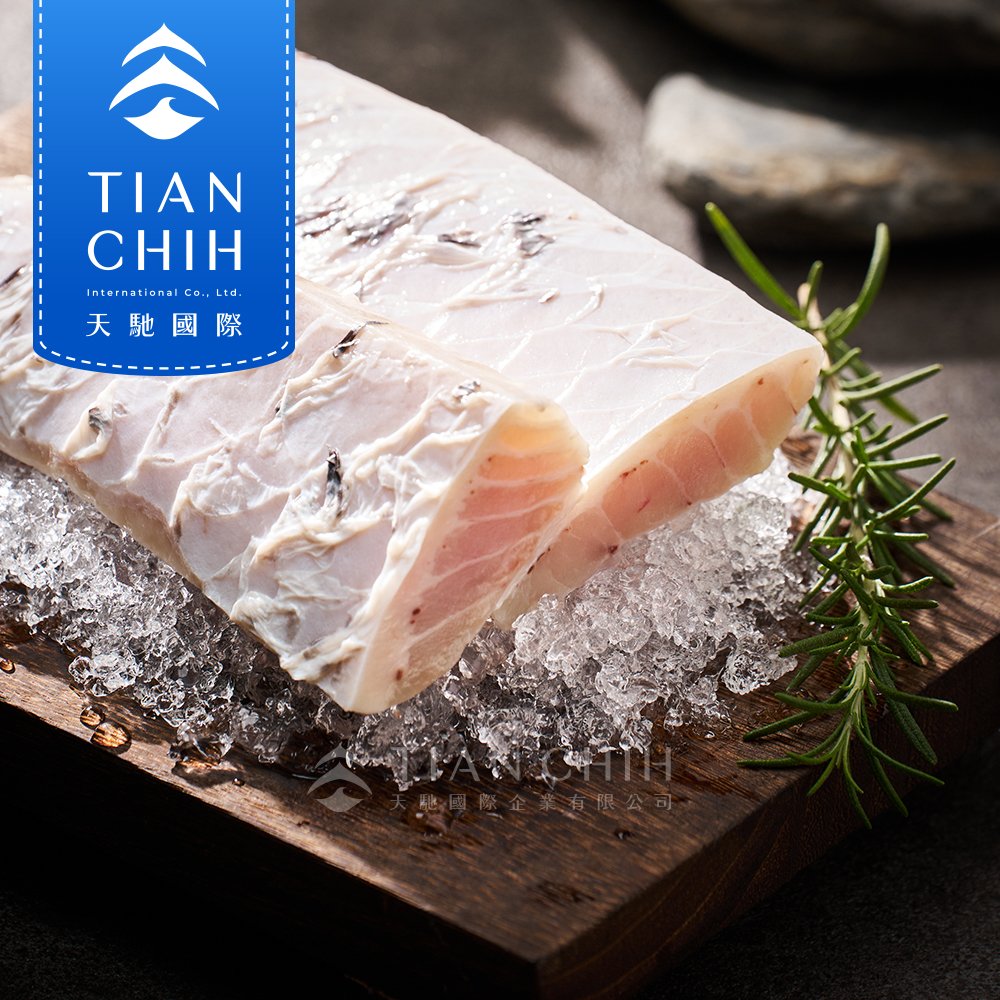
Butterfly kingfish
Shipping & Origin
【Spécifications】300 g, 1 kg
【Origine】Océan Pacifique ou Indien
【Spécifications】300 g, 1 kg
【Origine】Océan Pacifique ou Indien
【Caractéristiques】
Soigneusement sélectionné parmi les parties les plus grasses et les plus succulentes du ventre des poissons à grandes écailles, ce poisson présente un persillage magnifiquement réparti, une chair douce et tendre, un arôme naturellement gras et une texture onctueuse et moelleuse. Dès la première bouchée, sa texture fond littéralement sur la langue, libérant un riche arôme d’huile de poisson (oméga-3) qui explose en bouche et laisse une douce et persistante saveur. Le persillage homogène du ventre contribue à un profil aromatique plus riche et complexe, le rendant particulièrement adapté à la cuisson à la poêle, au gril, à la vapeur ou en fondue. « Ce persillage d’une richesse exquise fond comme neige au contact de la langue, libérant un arôme gras et sucré à la fois riche et délicat : un mets raffiné et irremplaçable pour les gourmets les plus exigeants. »
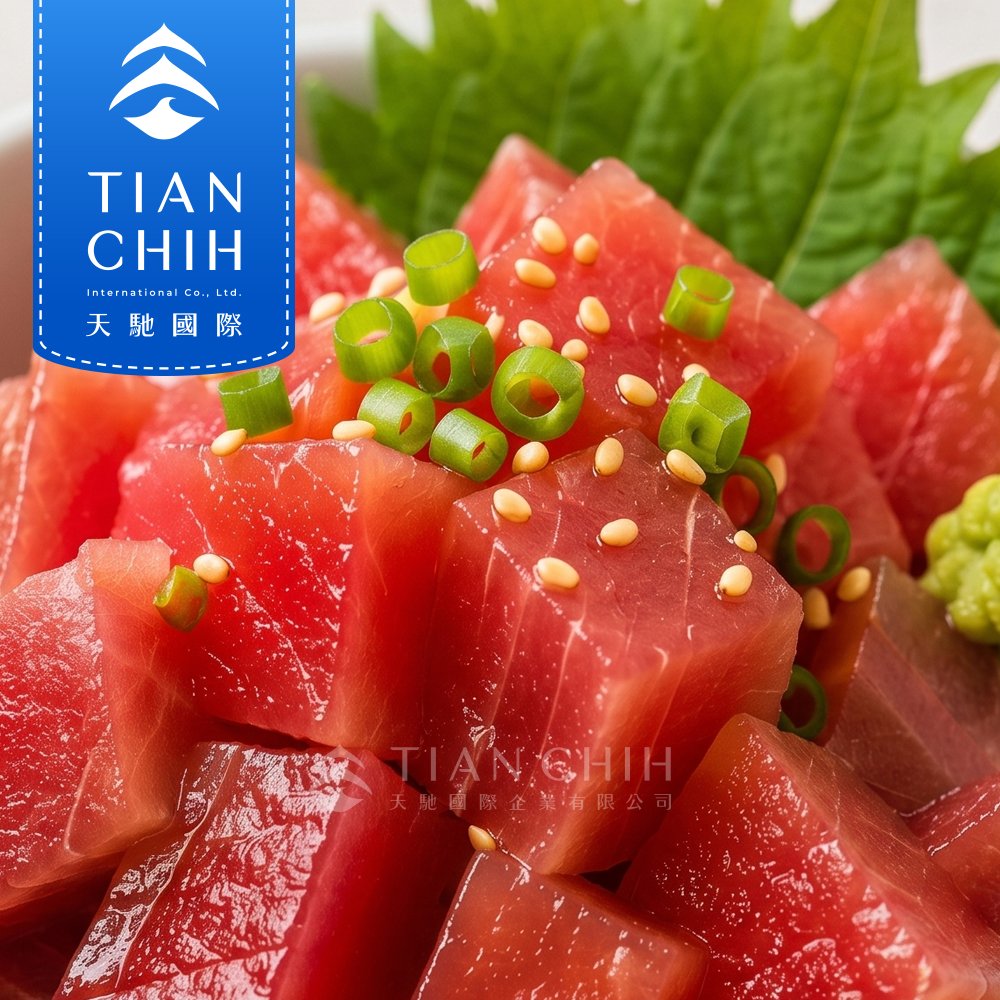
Japanese Bigeye Tuna Cubes
Shipping & Origin
【Specifications】500g/pack
【Origin】Japan
【Specifications】500g/pack
【Origin】Japan
【Features】
Bigeye tuna cubes possess a rich, sweet “red fish flavor” from the ocean, with a silky, tender texture that melts in your mouth. Rich in natural heme, the cubes, when cut into small cubes, display a deep, vibrant ruby red color. Neatly arranged on a plate or served over rice, they create a striking visual impact, making them incredibly appetizing and providing a truly satisfying and comforting culinary experience. “Preparation is as simple as instant noodles; easily create high-end Japanese cuisine at home!” This product comes pre-cut into 1.5cm golden cubes, eliminating the need for knife work and minimizing waste. Simply thaw under running water for 10 minutes and it’s ready to eat. Utilizing Japanese Toyo natural antioxidant refrigeration technology (no added CO), freezing at -18°C in a standard household setting perfectly locks in the ruby color and sweetness. Furthermore, the entire process has received MSC international marine sustainability certification, meeting the highest environmental standards, making it a staple ingredient for every household that combines sustainability and top-quality flavor.
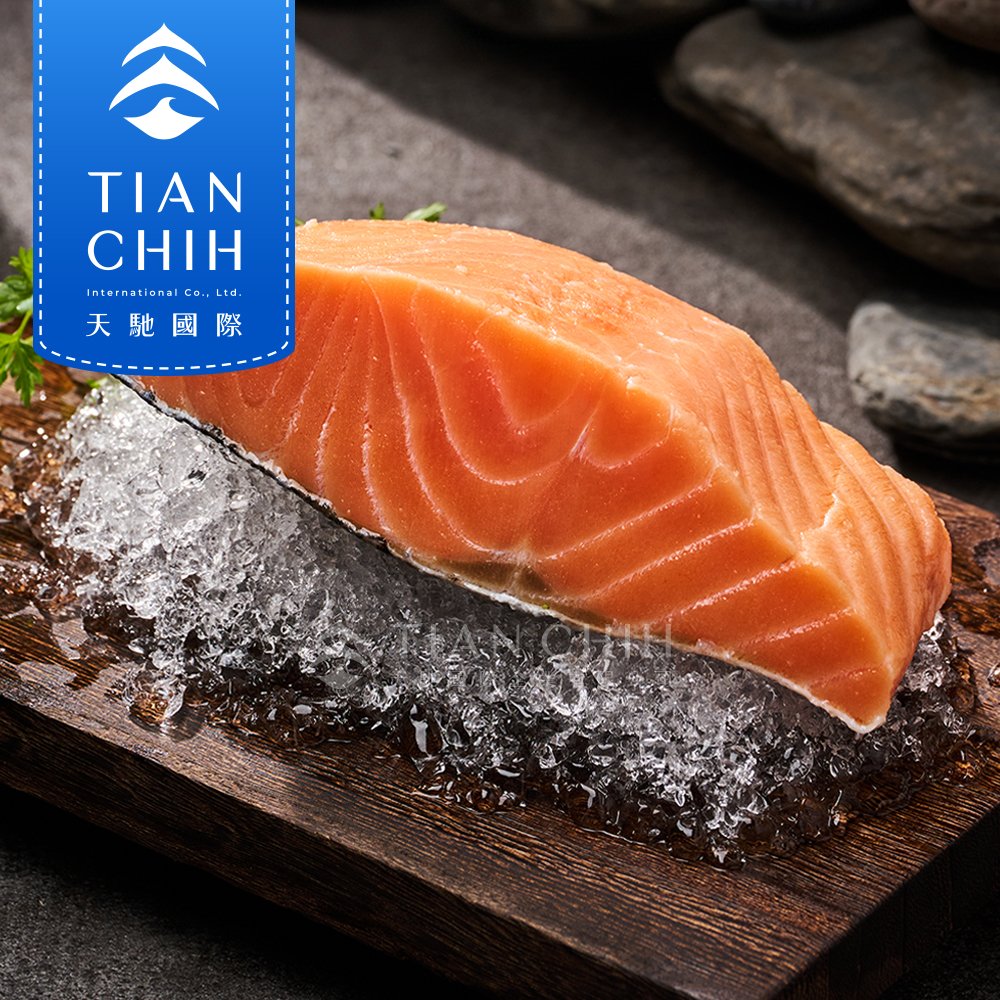
Norwegian Salmon Fillet (Skin-on)
Shipping & Origin
【Specifications】 20KG per carton, 1 piece(250g、350g)±50
【Origin】Norway
【Specifications】 20KG per carton, 1 piece(250g、350g)±50
【Origin】Norway
【Features】
Carefully selected from the cold, pristine waters of Norway, this salmon fillet is taken from the thickest part of the back, rich in evenly distributed fat, with firm, juicy, and tender flesh with a naturally sweet flavor. Salmon is highly nutritious, rich in Omega-3 fatty acids, high-quality protein, vitamin D, B vitamins, selenium, and other minerals. The salmon fillet is almost boneless, usually with bones and spines removed, retaining the most abundant flesh. Whether pan-fried for a crispy texture, grilled for a charred aroma, steamed for a sweet flavor, or used in a warm broth, it can be perfectly prepared, making it a top-tier delicacy that combines convenience and luxury on the dining table.
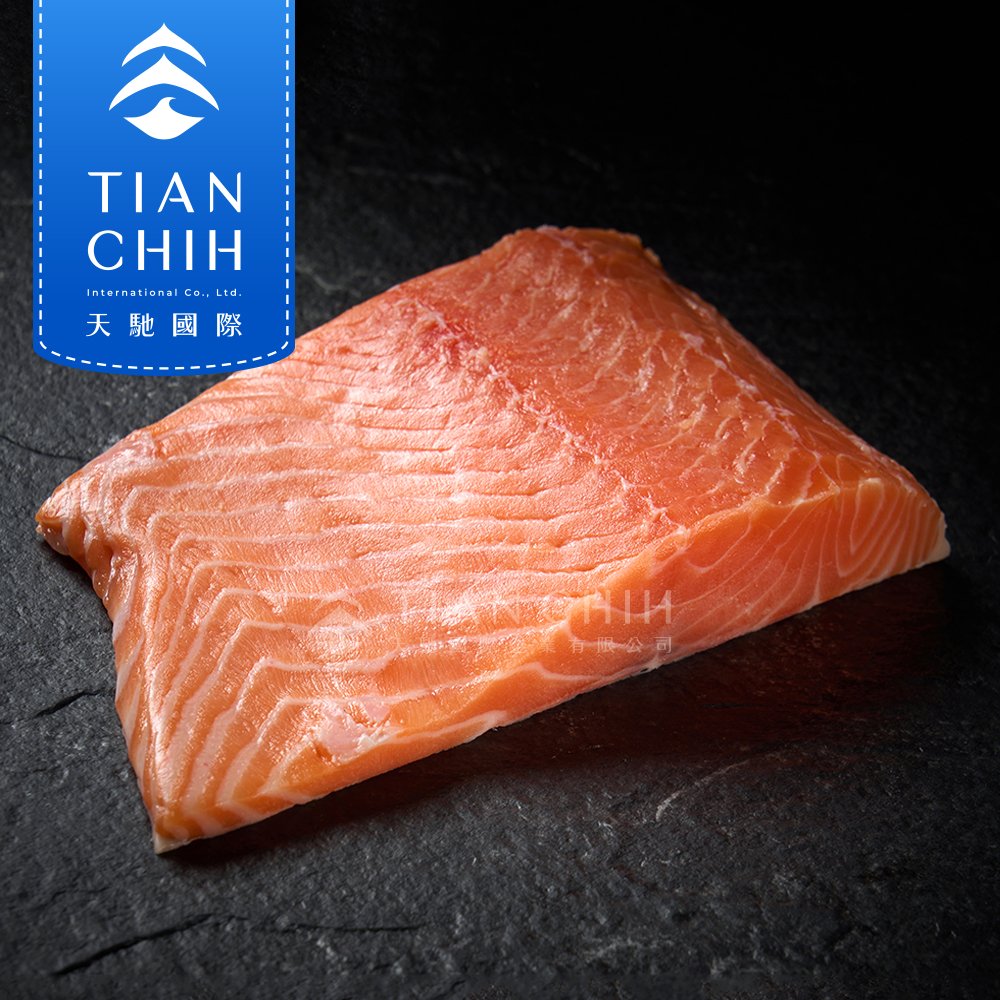
Salmon Loin
Shipping & Origin
【Specifications】20KG per carton, 1 piece(450g、650g、1KG)
【Origin】Norway
【Specifications】20KG per carton, 1 piece(450g、650g、1KG)
【Origin】Norway
【Features】
Carefully selected fresh salmon from the cold, pristine waters of Norway. Luxuriously, only the thickest fillet from the back is harvested. Rich in evenly distributed fat, the flesh is firm and springy, with a perfectly balanced blend of lipids. It has a smooth, sweet taste that instantly releases a refreshing ocean flavor on the tongue. Salmon is extremely nutritious, rich in essential unsaturated fatty acids Omega-3, easily absorbed high-quality protein, vitamin D, B vitamins, selenium, and other minerals. It is a deep-sea delicacy that satisfies both gourmets’ taste and health benefits.
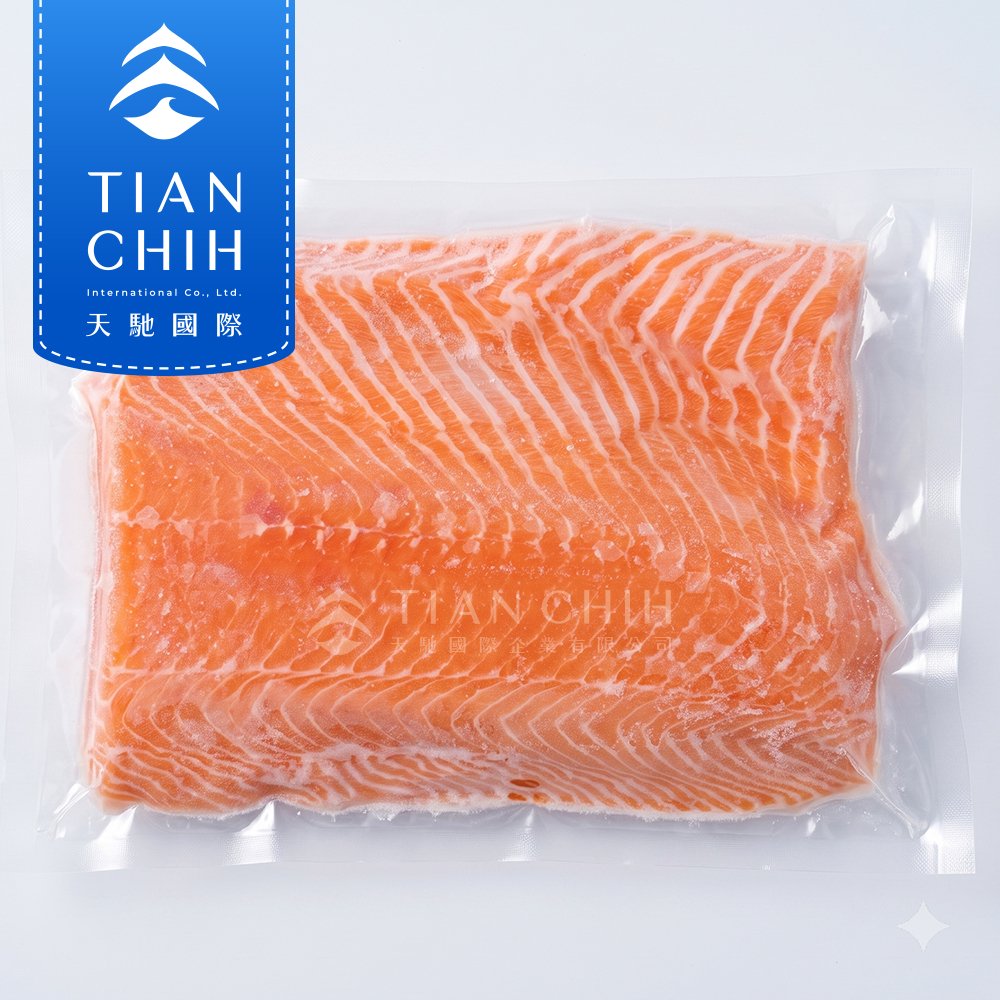
Norwegian Skinless Salmon Loin (Sashimi Grade)
Shipping & Origin
【Specifications】 20KG per carton, 1 piece(450g、650g、1KG)
【Origin】Norway
【Specifications】 20KG per carton, 1 piece(450g、650g、1KG)
【Origin】Norway
【Features】
➡️Sourced from frigid waters: Originating from the pristine, cold Arctic waters of Norway, this fish boasts the finest meat quality.
➡️Evenly and delicate marbling: The fish meat features beautiful white fat marbling, resembling marble, creating a visually stunning effect.
➡️Melting in your mouth: Abundant high-quality oils and fats give the meat a rich, tender texture, with a creamy, creamy mouthfeel.
➡️Pure and sweet flavor: Removing the skin eliminates the slight fishy smell of the darker layer, leaving only a clean and rich fish aroma.
➡️Zero waste: No need to scale or spit out bones after purchase; 100% ready to cook, offering exceptional value.
➡️Time-saving cooking essential: Ready to cook directly after thawing, a kitchen lifesaver for mothers and busy working professionals.
➡️ Versatile for all cooking methods: Whether pan-fried, baked, sous-vide, or used in soups, it delivers a perfectly delicious flavor.
➡️ Exceptional nutritional value: Rich in high concentrations of Omega-3, DHA, and high-quality protein, it’s a treasure from the ocean.
➡️ Essential for weight loss and fitness: Combining satiety with healthy fats, it’s highly favored by fitness enthusiasts and weight managers.
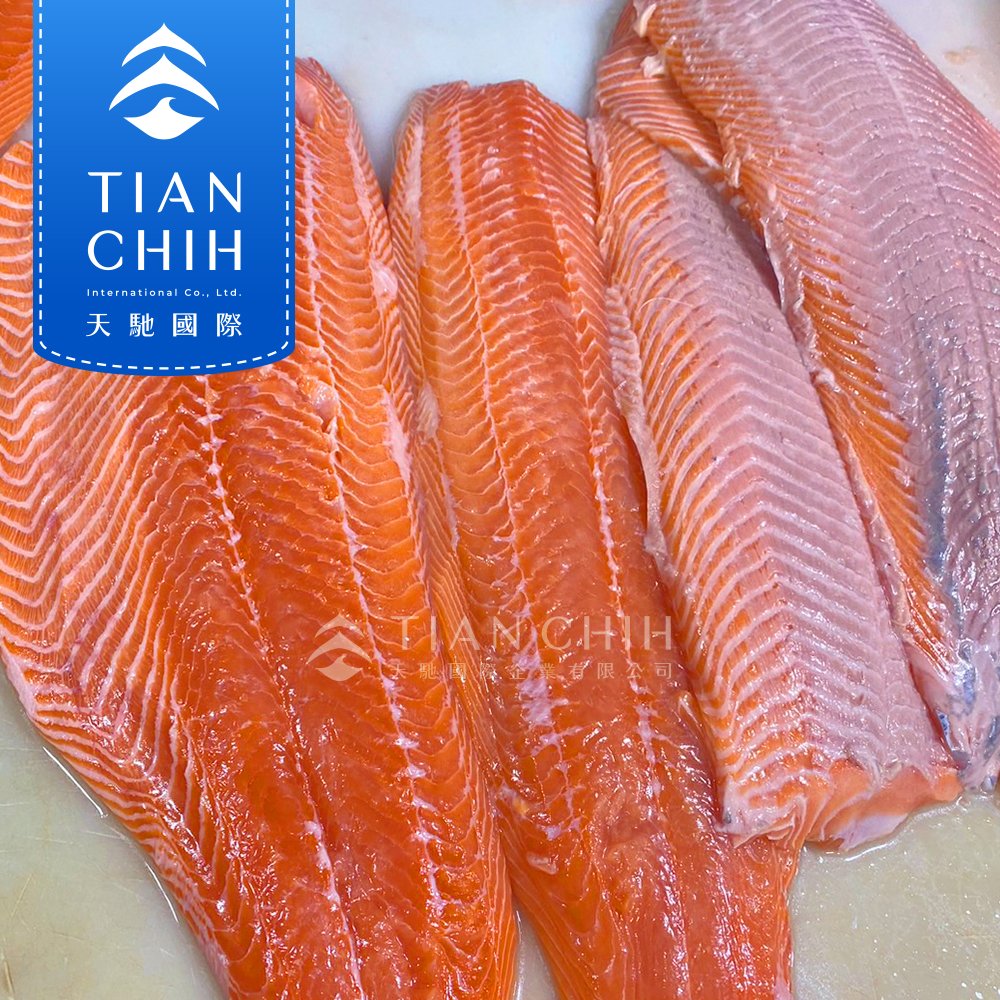
Norwegian Salmon Belly
Shipping & Origin
【Specifications】 1 box (weight varies / priced by weight)
【Origin】Norway
【Specifications】 1 box (weight varies / priced by weight)
【Origin】Norway
【Features】
➡️Sourced from frigid waters: Originating from the pristine, cold Arctic waters of Norway, this fish boasts the finest meat quality.
➡️Evenly and delicate marbling: The fish meat features beautiful white fat marbling, resembling marble, creating a visually stunning effect.
➡️Melting in your mouth: Abundant high-quality oils and fats give the meat a rich, tender texture, with a creamy, creamy mouthfeel.
➡️Pure and sweet flavor: Removing the skin eliminates the slight fishy smell of the darker layer, leaving only a clean and rich fish aroma.
➡️Zero waste: No need to scale or spit out bones after purchase; 100% ready to cook, offering exceptional value.
➡️Time-saving cooking essential: Ready to cook directly after thawing, a kitchen lifesaver for mothers and busy working professionals.
➡️ Versatile for all cooking methods: Whether pan-fried, baked, sous-vide, or used in soups, it delivers a perfectly delicious flavor.
➡️ Exceptional nutritional value: Rich in high concentrations of Omega-3, DHA, and high-quality protein, it’s a treasure from the ocean.
➡️ Essential for weight loss and fitness: Combining satiety with healthy fats, it’s highly favored by fitness enthusiasts and weight managers.
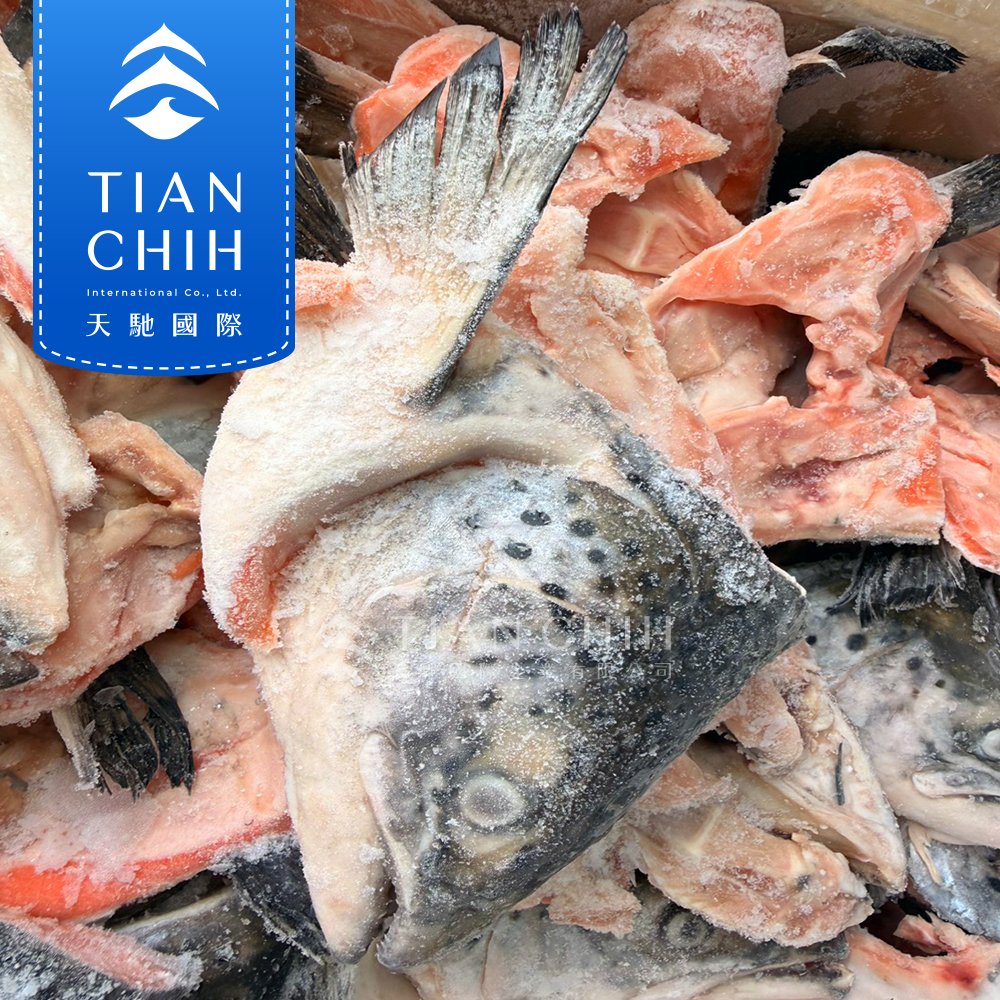
Gilled and Halved Salmon Head
Shipping & Origin
【Specifications】Gills removed, halved
【Origin】Japan
【Specifications】Gills removed, halved
【Origin】Japan
【Features】
Authentic top-grade Norwegian salmon head, halved using skillful techniques after gill removal. The salmon meat on the head displays a bright orange-red color, while the cheeks and eye sockets are covered with rich and smooth collagen, the essence of the dish. Upon high-temperature cooking, the evenly distributed natural oils melt instantly, releasing an irresistible and rich fish aroma. Whether grilled with salt, stewed, or braised, the delicate and chewy texture between the bones is distinct and incredibly sweet. Every bite is the essence of the oil and collagen, allowing you to easily enjoy the signature flavor of a top-tier Japanese restaurant at home!
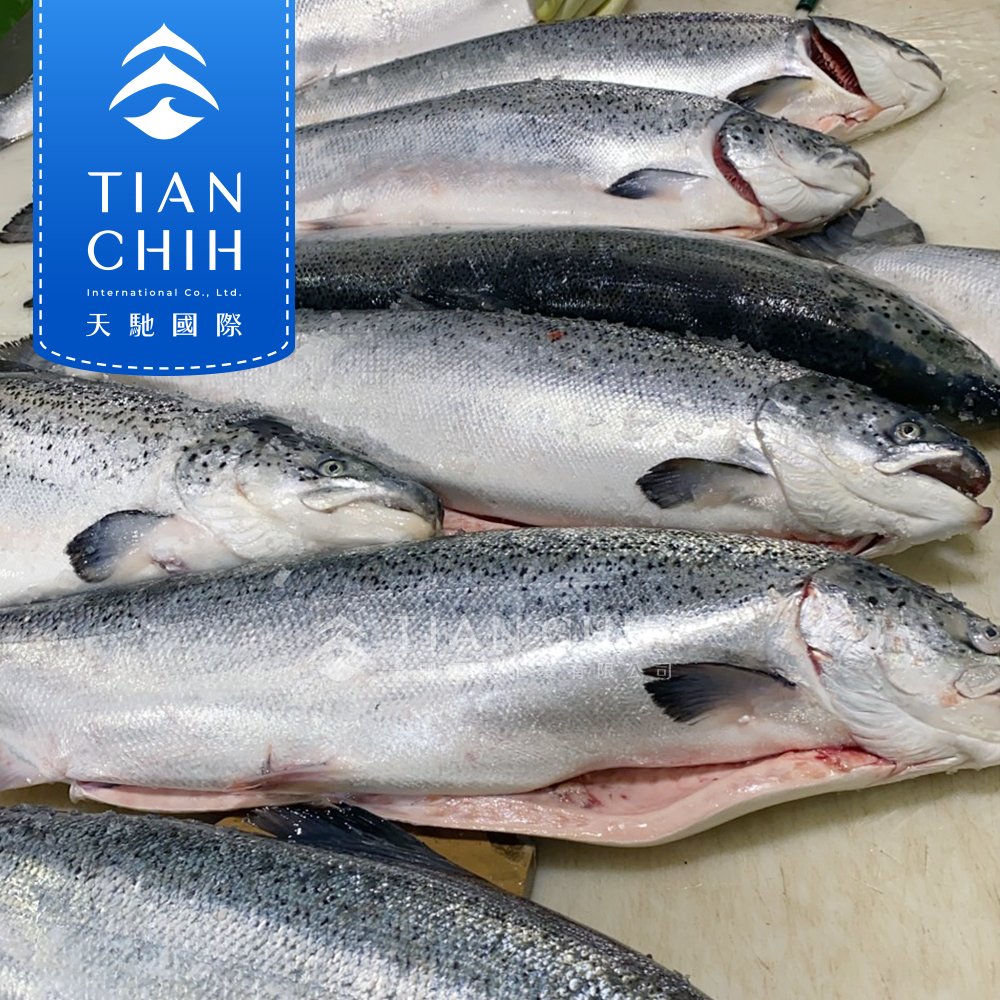
Norwegian Salmon (raw ingredient)
Shipping & Origin
【Specifications】 1 box (weight varies / priced by weight)
【Origin】Norway
【Specifications】 1 box (weight varies / priced by weight)
【Origin】Norway
【Features】
➡️Sourced from frigid waters: Originating from the pristine, cold Arctic waters of Norway, this fish boasts the finest meat quality.
➡️Evenly and delicate marbling: The fish meat features beautiful white fat marbling, resembling marble, creating a visually stunning effect.
➡️Melting in your mouth: Abundant high-quality oils and fats give the meat a rich, tender texture, with a creamy, creamy mouthfeel.
➡️Pure and sweet flavor: Removing the skin eliminates the slight fishy smell of the darker layer, leaving only a clean and rich fish aroma.
➡️Zero waste: No need to scale or spit out bones after purchase; 100% ready to cook, offering exceptional value.
➡️Time-saving cooking essential: Ready to cook directly after thawing, a kitchen lifesaver for mothers and busy working professionals.
➡️ Versatile for all cooking methods: Whether pan-fried, baked, sous-vide, or used in soups, it delivers a perfectly delicious flavor.
➡️ Exceptional nutritional value: Rich in high concentrations of Omega-3, DHA, and high-quality protein, it’s a treasure from the ocean.
➡️ Essential for weight loss and fitness: Combining satiety with healthy fats, it’s highly favored by fitness enthusiasts and weight managers.
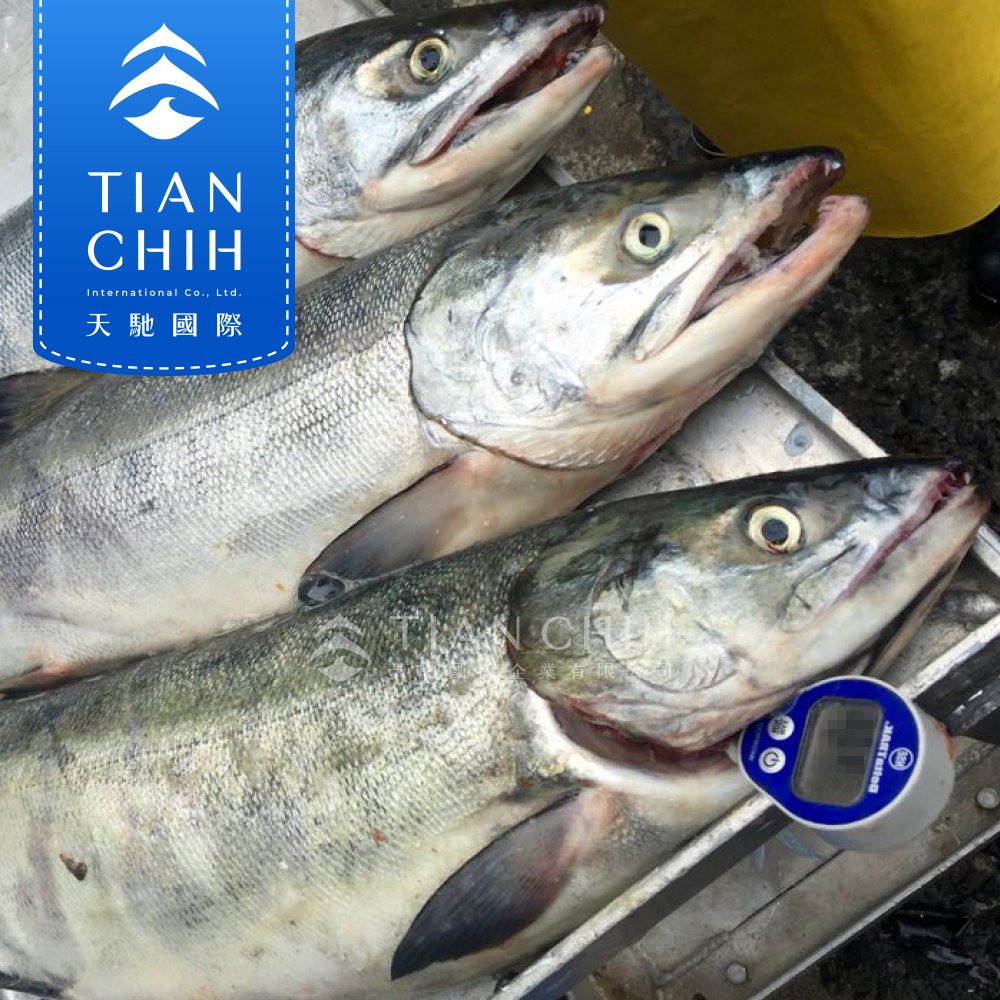
Coho salmon
Shipping & Origin
【Specifications】Whole (Weight may vary / Priced by weight)
【Origin】Pacific Ocean or Atlantic Ocean
【Specifications】Whole (Weight may vary / Priced by weight)
【Origin】Pacific Ocean or Atlantic Ocean
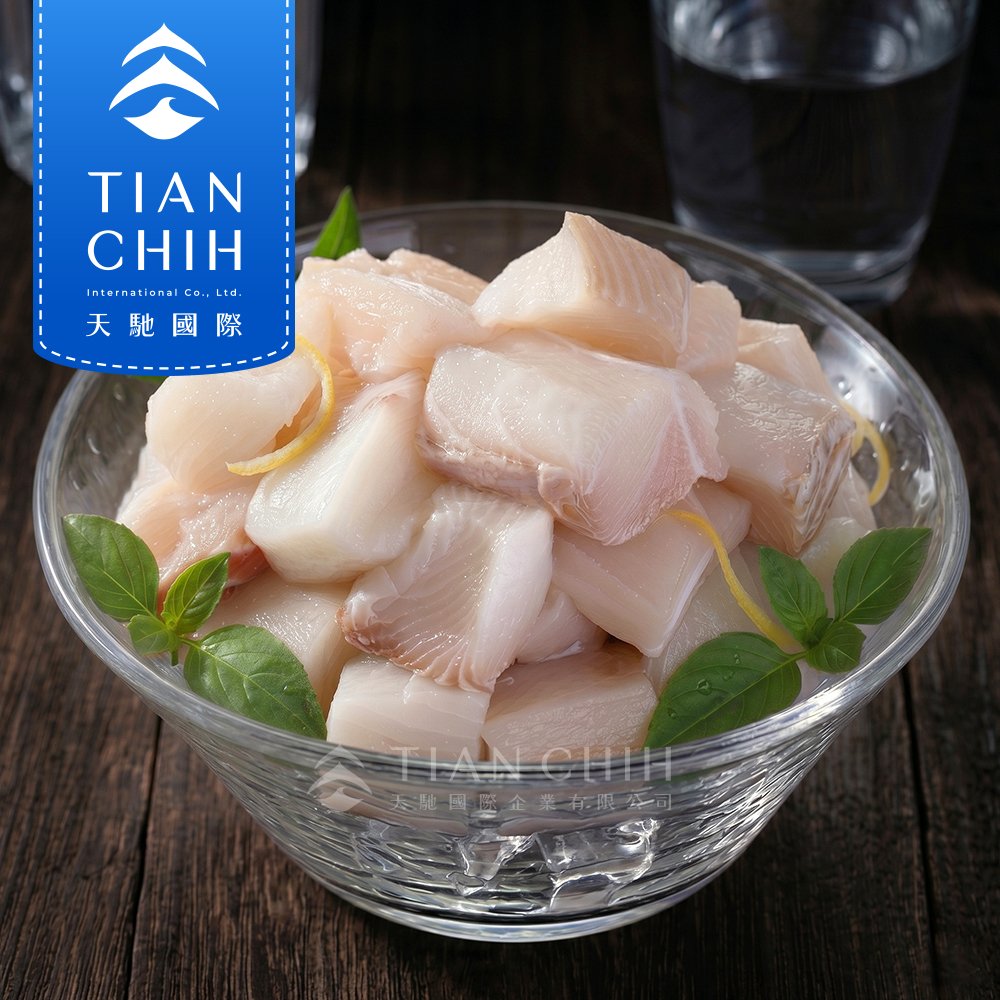
Blue Shark
Shipping & Origin
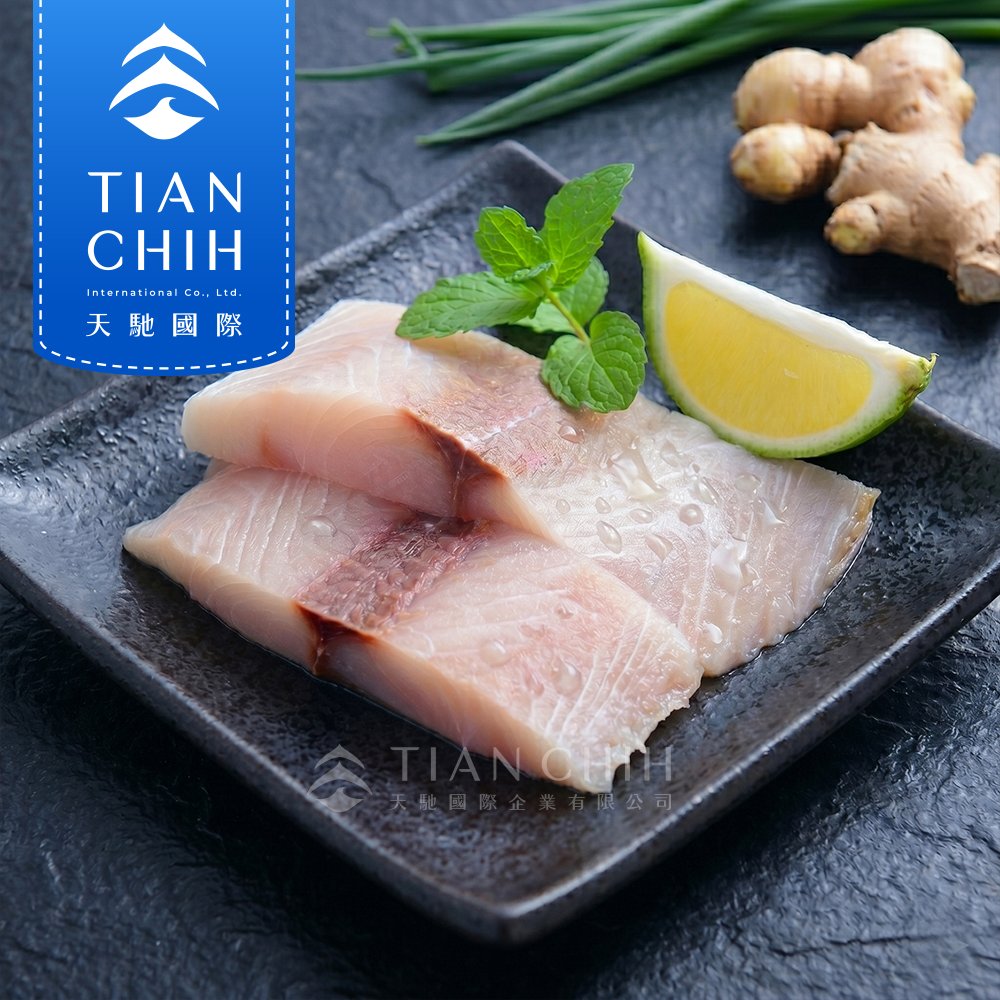
Dolphinfish Fillets
Shipping & Origin
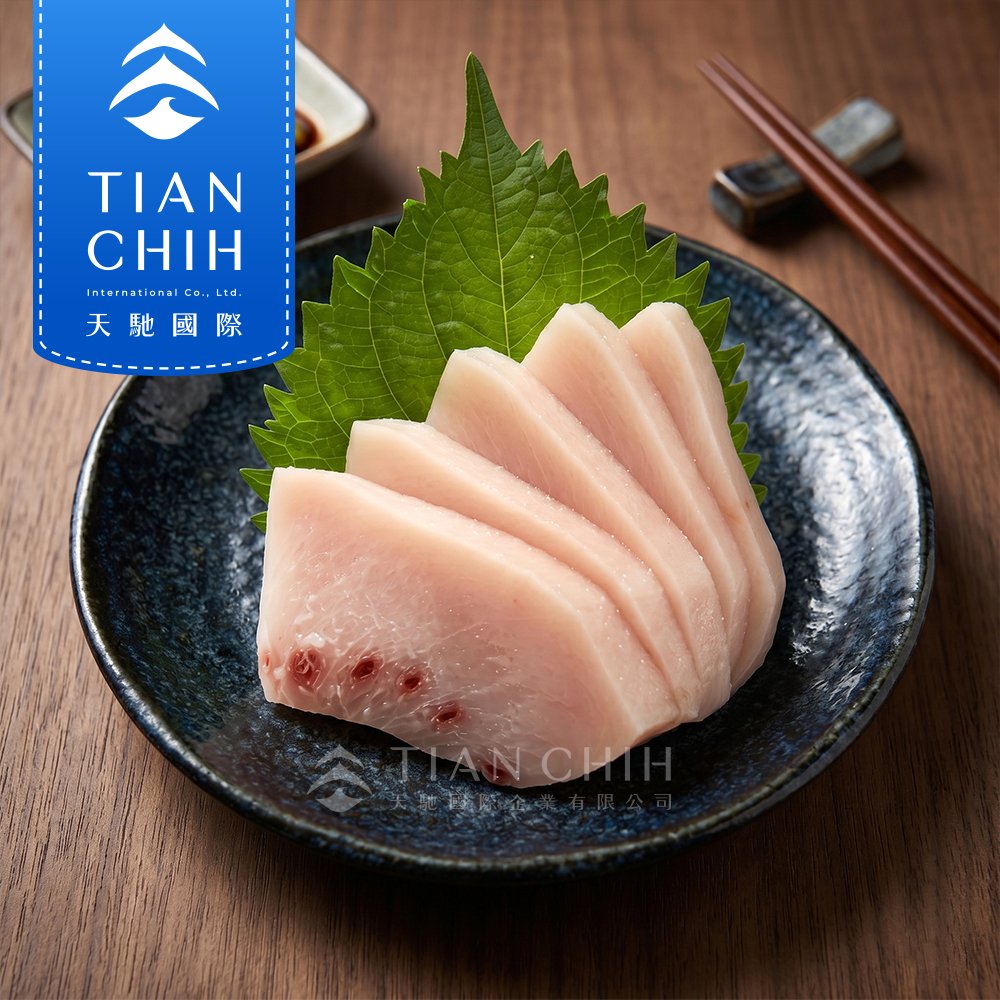
Broadbill Swordfish Belly (Sliced)
Shipping & Origin
【Specifications】 1 box (weight must be measured / variable weight)
【Origin】 Pacific Ocean or Indian Ocean (Processed in Taiwan)
【Specifications】 1 box (weight must be measured / variable weight)
【Origin】 Pacific Ocean or Indian Ocean (Processed in Taiwan)
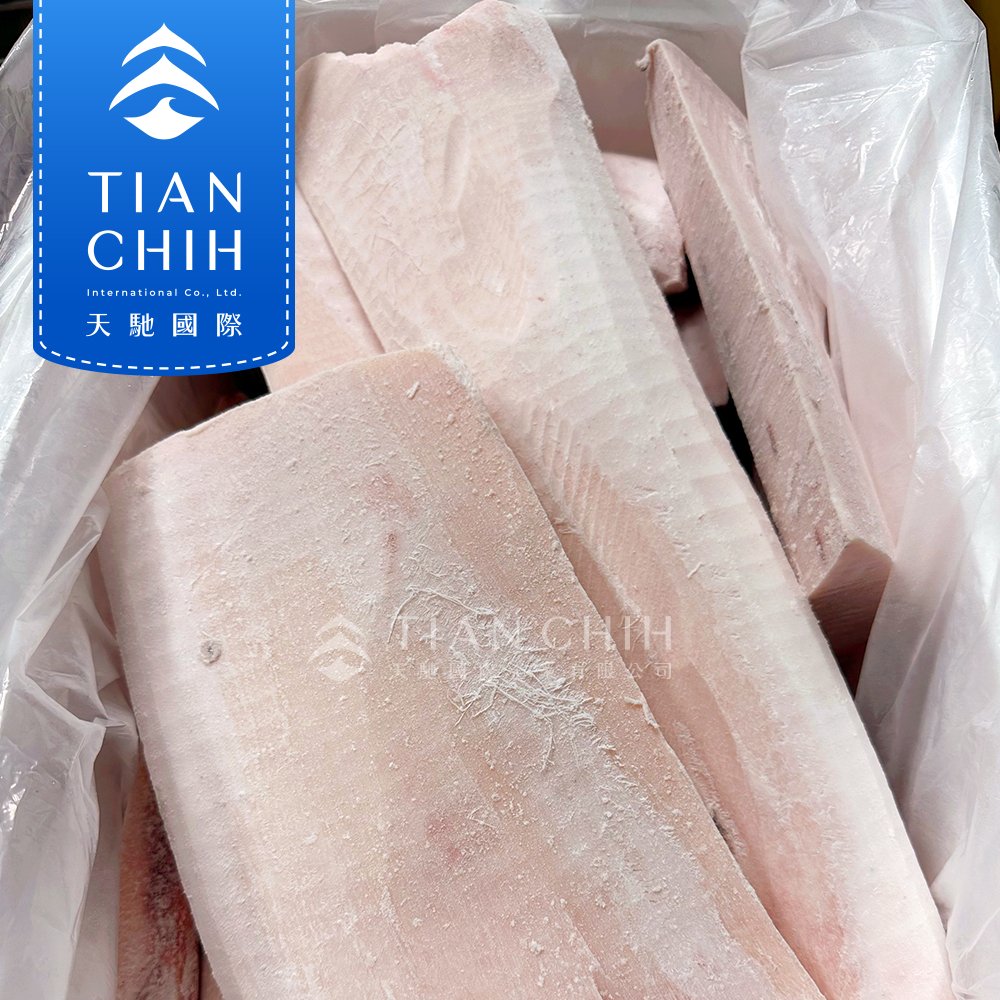
Swordfish Belly
Shipping & Origin
【Specifications】 1 box (weight must be measured / variable weight)
【Origin】 Pacific Ocean or Indian Ocean (Processed in Taiwan)
【Specifications】 1 box (weight must be measured / variable weight)
【Origin】 Pacific Ocean or Indian Ocean (Processed in Taiwan)
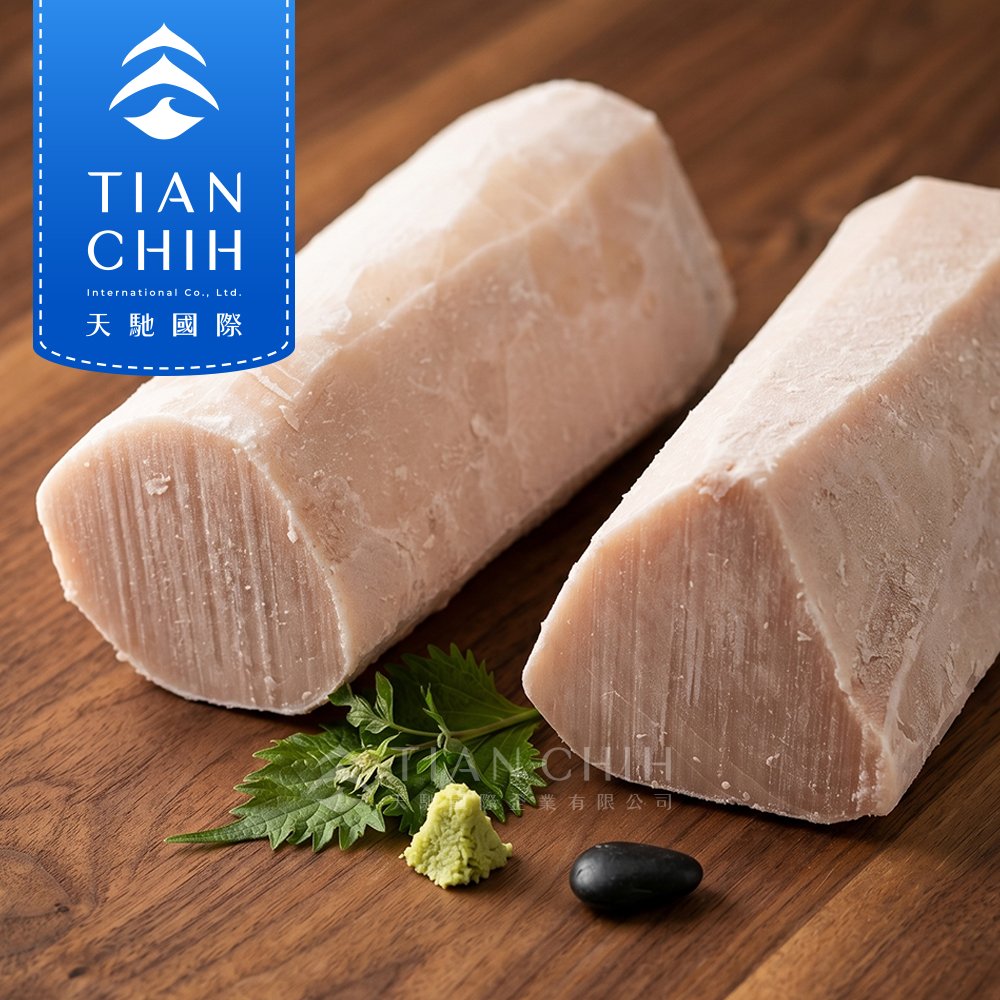
Black Marlin Boneless loin
Shipping & Origin
【Specifications】 1 box (weight must be measured / variable weight)
【Origin】 Pacific Ocean or Indian Ocean (Processed in Taiwan)
【Specifications】 1 box (weight must be measured / variable weight)
【Origin】 Pacific Ocean or Indian Ocean (Processed in Taiwan)
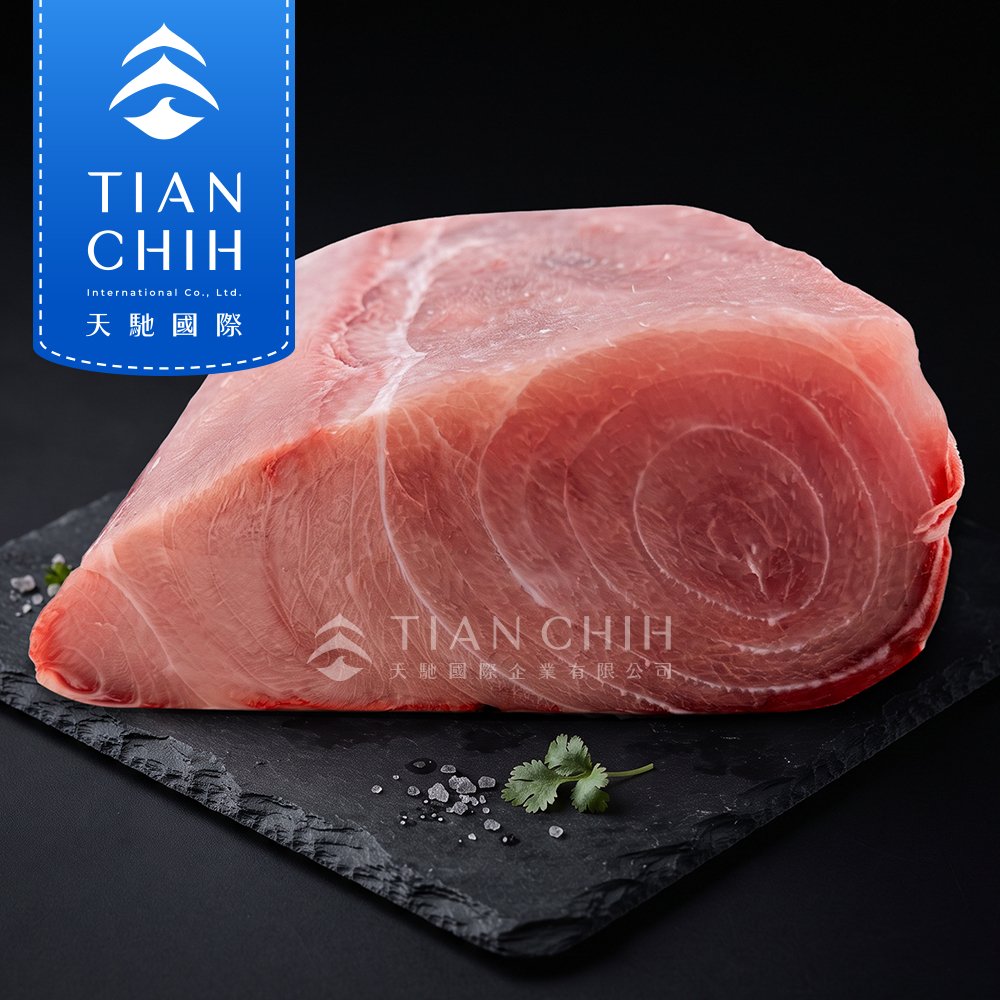
Oilfish
Shipping & Origin
【Specifications】 1 box (weight must be measured / variable weight)
【Origin】 Pacific Ocean or Indian Ocean (Processed in Taiwan)
【Specifications】 1 box (weight must be measured / variable weight)
【Origin】 Pacific Ocean or Indian Ocean (Processed in Taiwan)
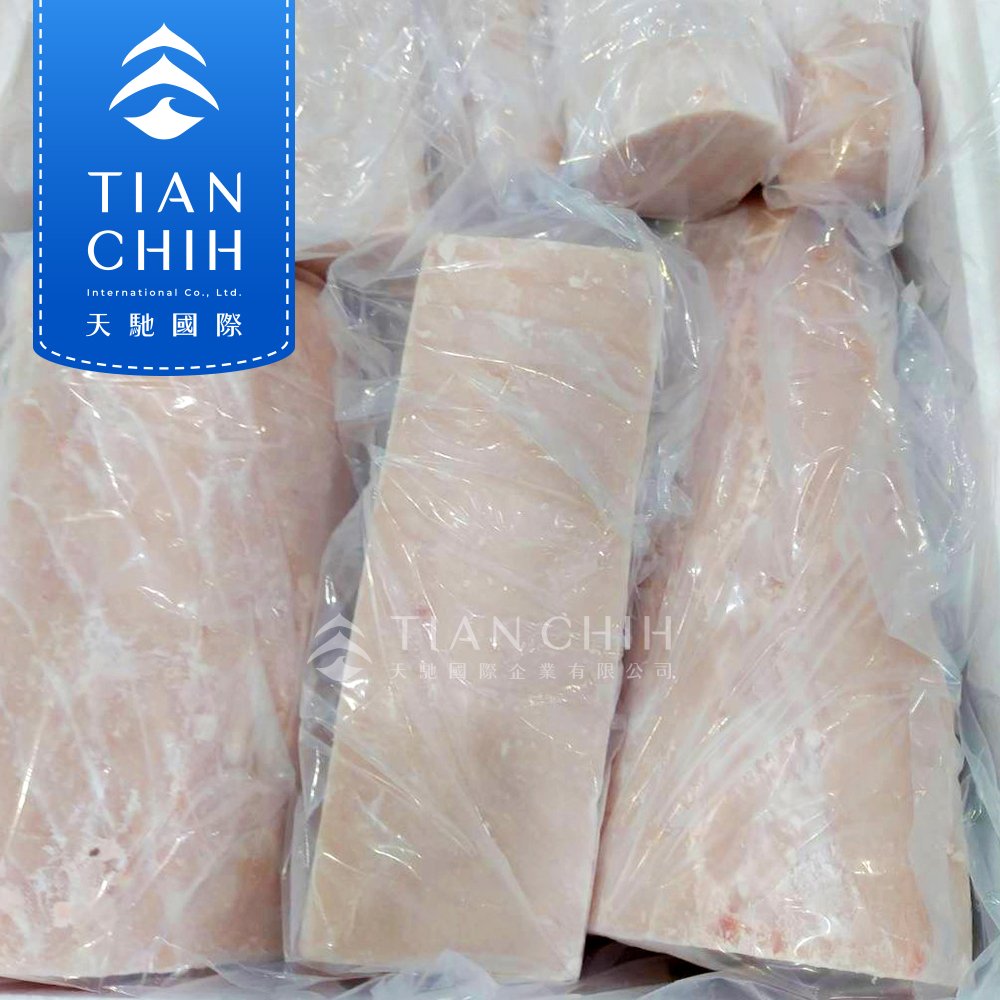
Swordfish Loin
Shipping & Origin
【Specifications】 1 box (weight must be measured / variable weight)
【Origin】 Pacific Ocean or Indian Ocean (Processed in Taiwan)
【Specifications】 1 box (weight must be measured / variable weight)
【Origin】 Pacific Ocean or Indian Ocean (Processed in Taiwan)
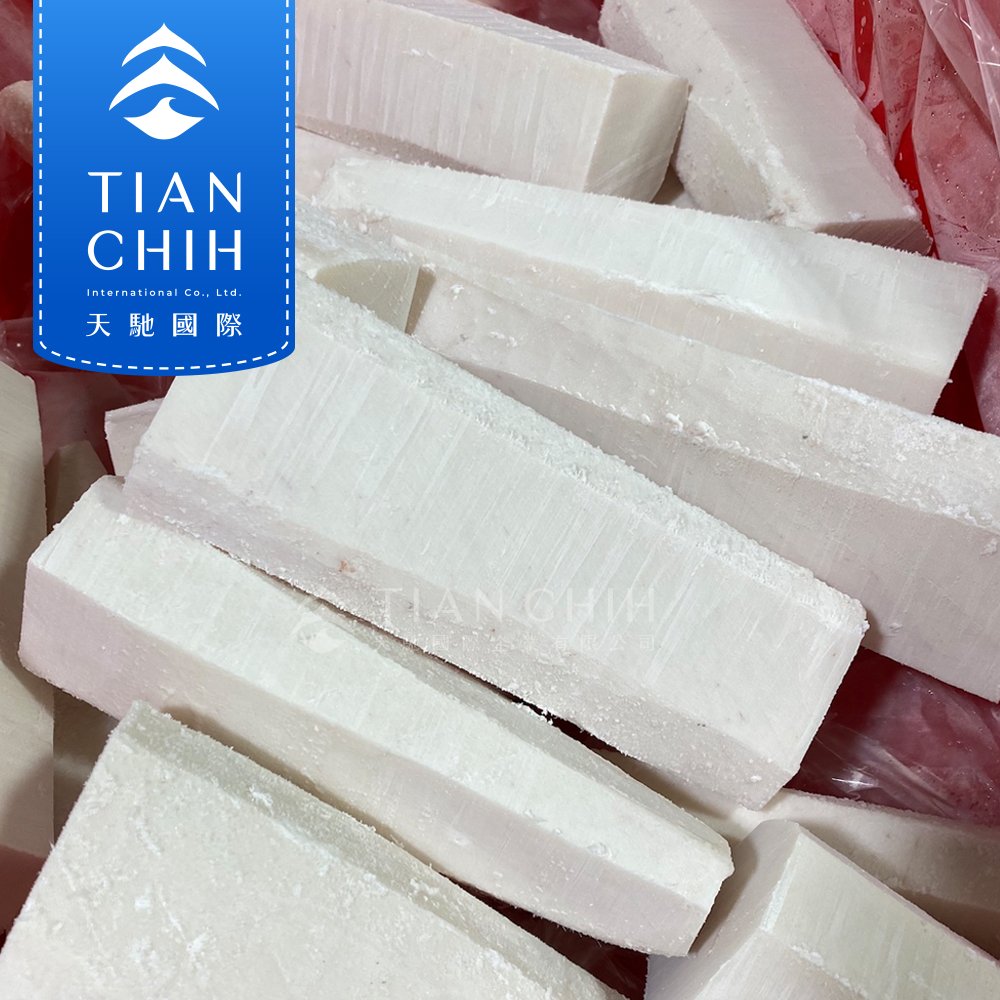
Amberjack Block
Shipping & Origin
【Specifications】 1 box (weight must be measured / variable weight)
【Origin】 Pacific Ocean or Indian Ocean (Processed in Taiwan)
【Specifications】 1 box (weight must be measured / variable weight)
【Origin】 Pacific Ocean or Indian Ocean (Processed in Taiwan)
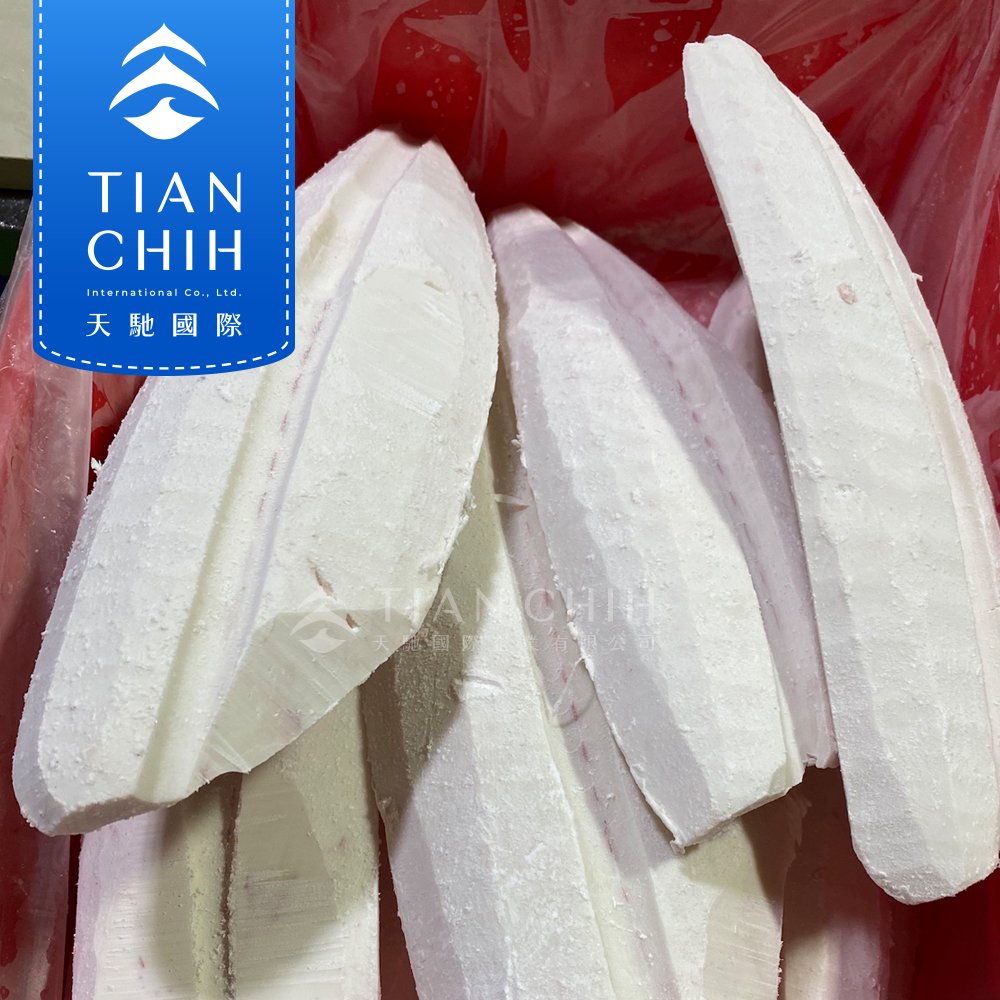
Yellowtail Strips
Shipping & Origin
【Specifications】 1 box (weight must be measured / variable weight)
【Origin】 Pacific Ocean or Indian Ocean (Processed in Taiwan)
【Specifications】 1 box (weight must be measured / variable weight)
【Origin】 Pacific Ocean or Indian Ocean (Processed in Taiwan)
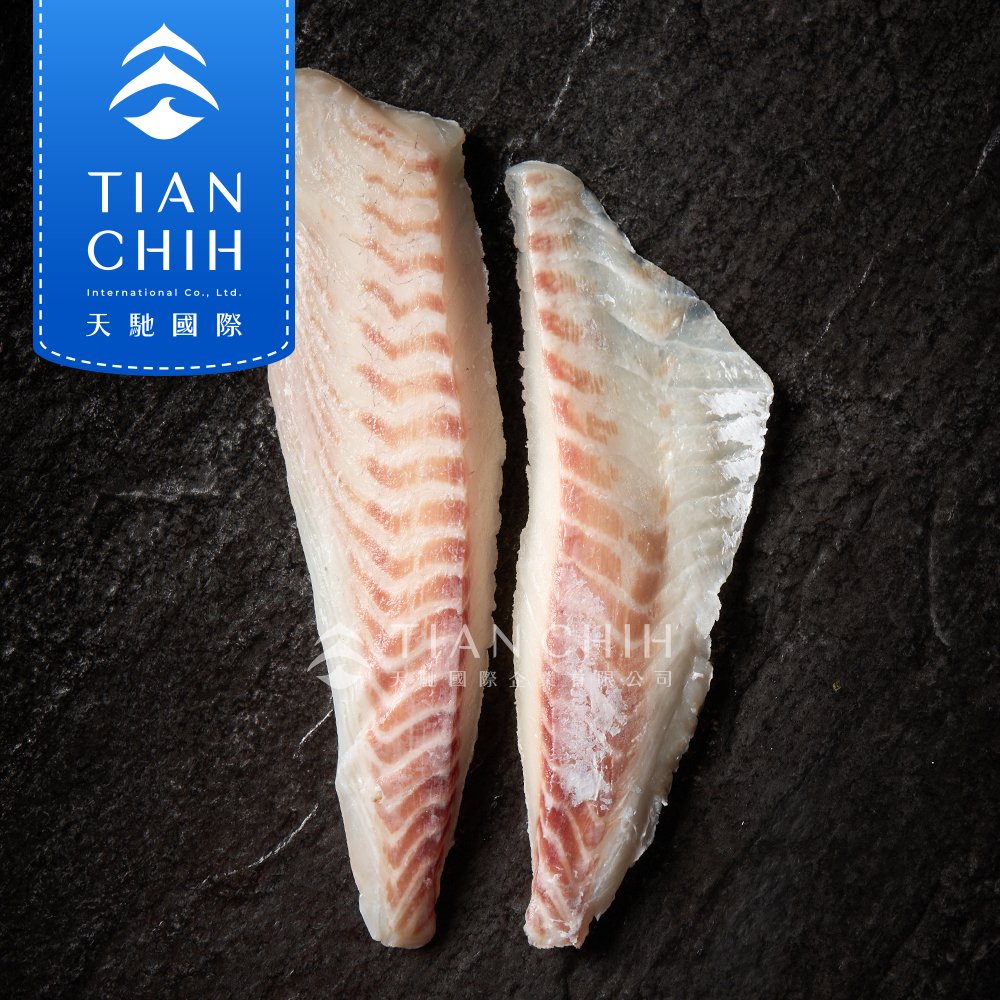
Mikan Tai
Shipping & Origin
【Specifications】 Whole skinned, sashimi (sliced)
【Origin】Ehime Prefecture, Japan
【Specifications】 Whole skinned, sashimi (sliced)
【Origin】Ehime Prefecture, Japan
【Features】
Japanese sea bream (mitan tai) is revered as the “King of Fish” because its name sounds like “congratulations,” making it a lucky symbol at celebrations and celebratory banquets. Originating from Ehime Prefecture, the land of mandarin oranges, this fish is fed with mandarin orange peel extract, resulting in translucent, perfectly odorless flesh with a subtle, refreshing citrus aroma. The fish has a vibrant, gorgeous bright pink body, and the flesh is a semi-transparent white, firm, and elastic, releasing a sweet and elegant oily aroma with each chew. Whether prepared as meticulously sliced sashimi, fragrant grilled sea bream, or the traditional “sea bream rice,” it perfectly showcases its regal elegance.
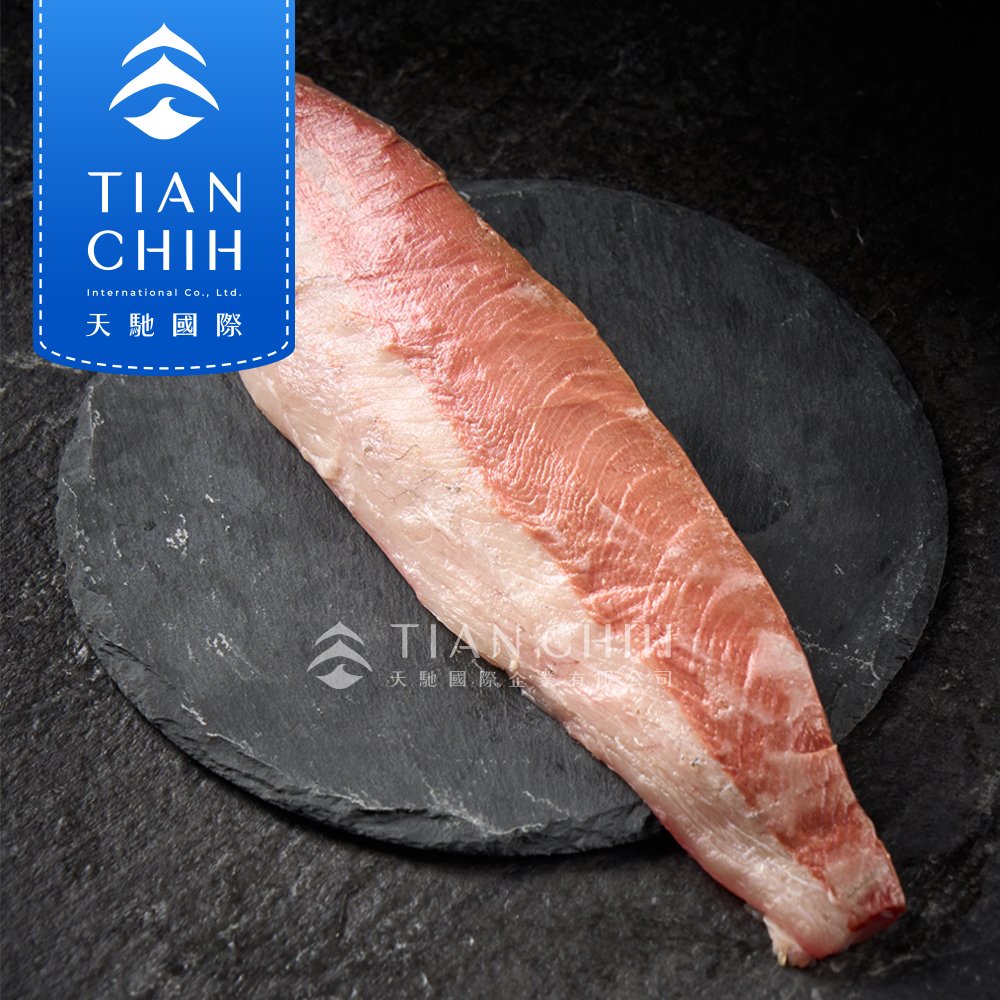
Japanese Amberjack
Shipping & Origin
【Specifications】 Whole, skinless, sashimi (sliced)
【Origin】 Japan
【Specifications】 Whole, skinless, sashimi (sliced)
【Origin】 Japan
【Characteristics】
Japanese amberjack, known as Buri in Japan, is hailed as the “King of Winter Flavors.” It’s a high-grade white-fleshed fish in Japanese cuisine, an indispensable auspicious fish for New Year’s dishes, weddings, and other celebratory occasions. The flesh is milky white with a slight pink tinge, while the bloodline (the darker flesh near the spine) is bright red. Amberjack is rich in oil, with a tender and smooth texture, offering a melt-in-your-mouth sensation similar to Wagyu beef, with a rich yet sweet flavor. The “sweetness” of amberjack comes from its abundant free amino acids, releasing a subtle milky aroma and a sweet, oily taste upon tasting. Although rich in oil, its fish oil is rich in unsaturated fatty acids (DHA, EPA), resulting in a rich yet not greasy flavor with a unique, refreshing finish.
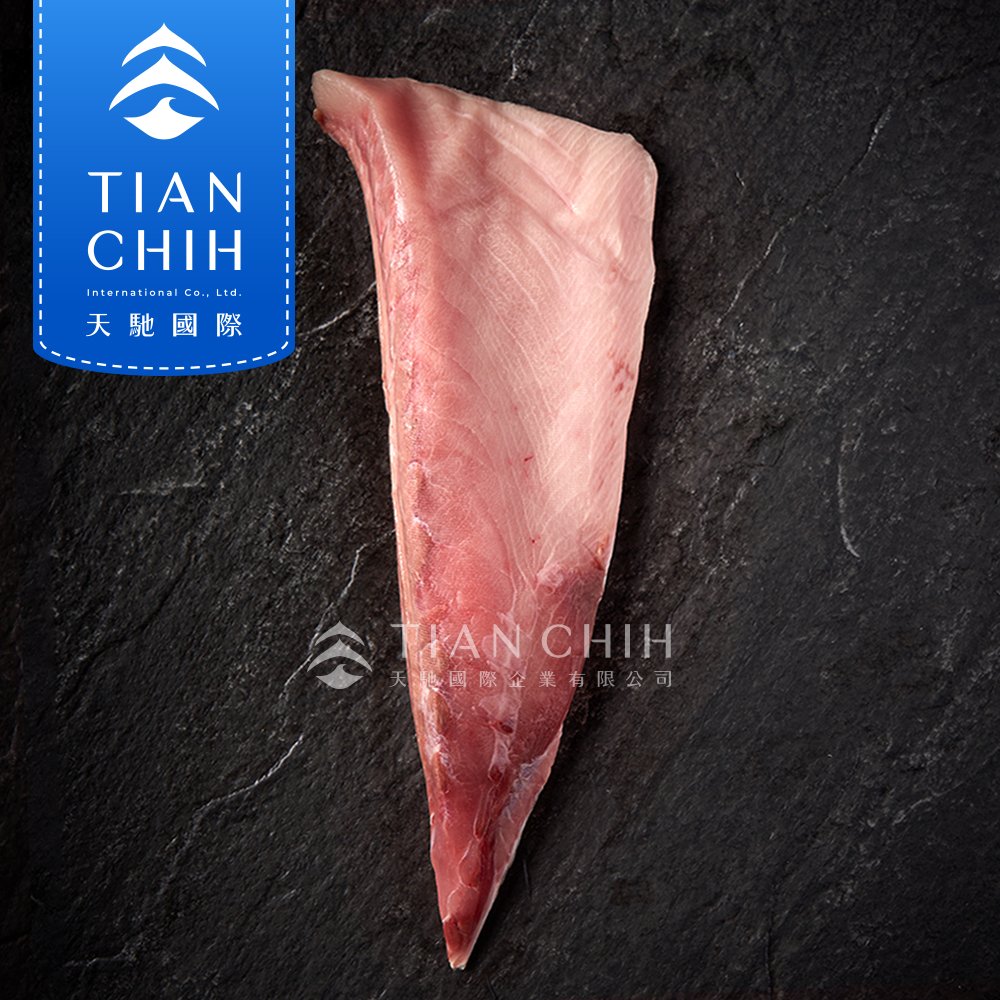
Greater amberjac
Shipping & Origin
【Specifications】 Whole, skinless, sashimi (sliced)
【Origin】 Japan
【Specifications】 Whole, skinless, sashimi (sliced)
【Origin】 Japan
【Characteristics】
Japanese amberjack, also known as high-bodied yellowtail, is a highly sought-after premium edible fish in Japanese cuisine. The flesh of the amberjack (red amberjack) is more delicate and crisp than that of the green amberjack. Rich in oil, its flesh is tender yet firm, melting in the mouth with a rich, layered flavor and a unique sweet aroma, making it a top-tier sashimi ingredient in high-end Japanese cuisine. Its pinkish-red flesh is perfect for sashimi or nigiri sushi. Besides being eaten raw, the oily jaw can be grilled with salt or simmered with radish and soy sauce for a rich and complex flavor profile. In Japanese culture, the amberjack symbolizes rising to higher positions, making it an indispensable auspicious ingredient for New Year’s and celebratory banquets—a versatile fish that combines exquisite taste with good fortune.
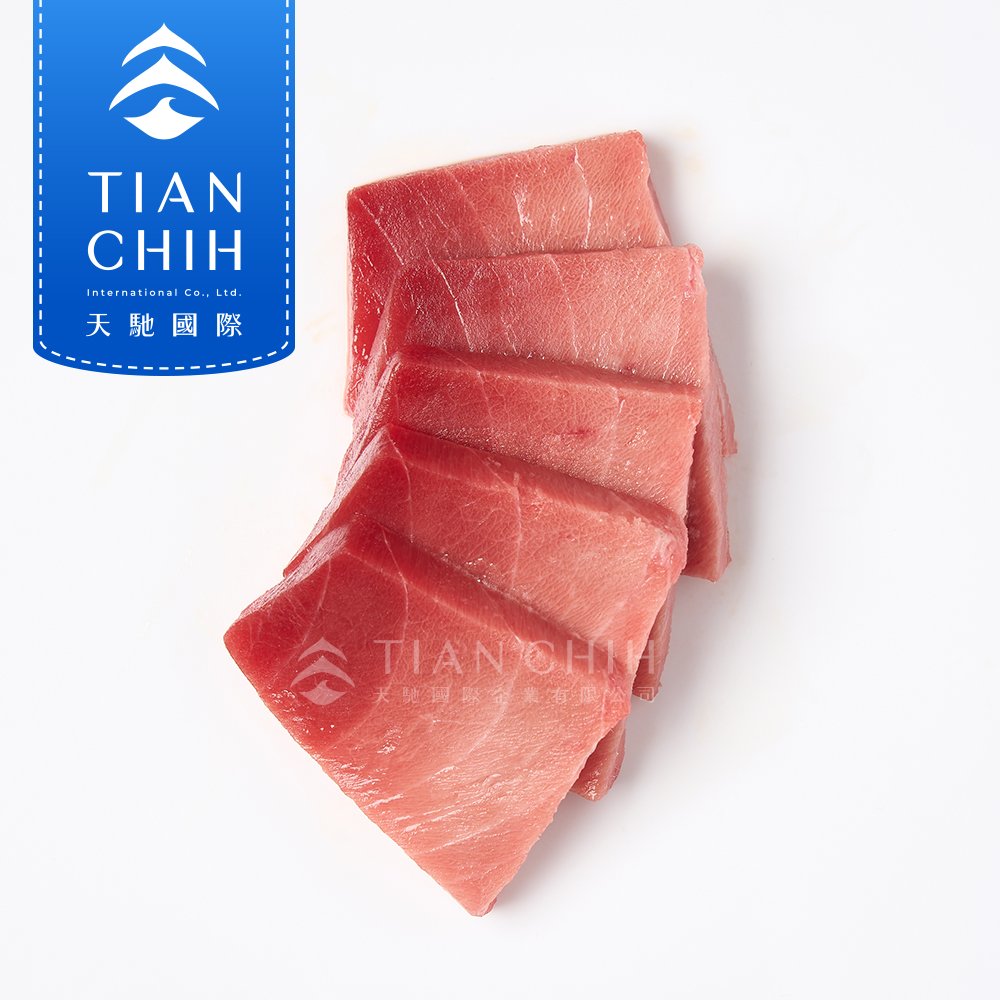
Ventre de Thon Rouge Frais Ikejime (Sashimi)
Shipping & Origin
【Specifications】1 box(250g±20g)
【Origin】Pacific Ocean, Indian Ocean
【Specifications】1 box(250g±20g)
【Origin】Pacific Ocean, Indian Ocean
【Features】
Carefully selected from the most representative mid-belly portion of southern bluefin tuna, boasting a captivating pink gradient and silky fine marbling—truly the most alluring golden ratio in the world of sashimi. Upon tasting, the warmth of the tongue slowly awakens the tender fat, and with each chew, not only is the richness of the fat balanced, but the flavor layers and depth are also enhanced. Best enjoyed with freshly grated wasabi and a touch of soy sauce, it best brings out the smooth, sweet, and unforgettable sensory experience.
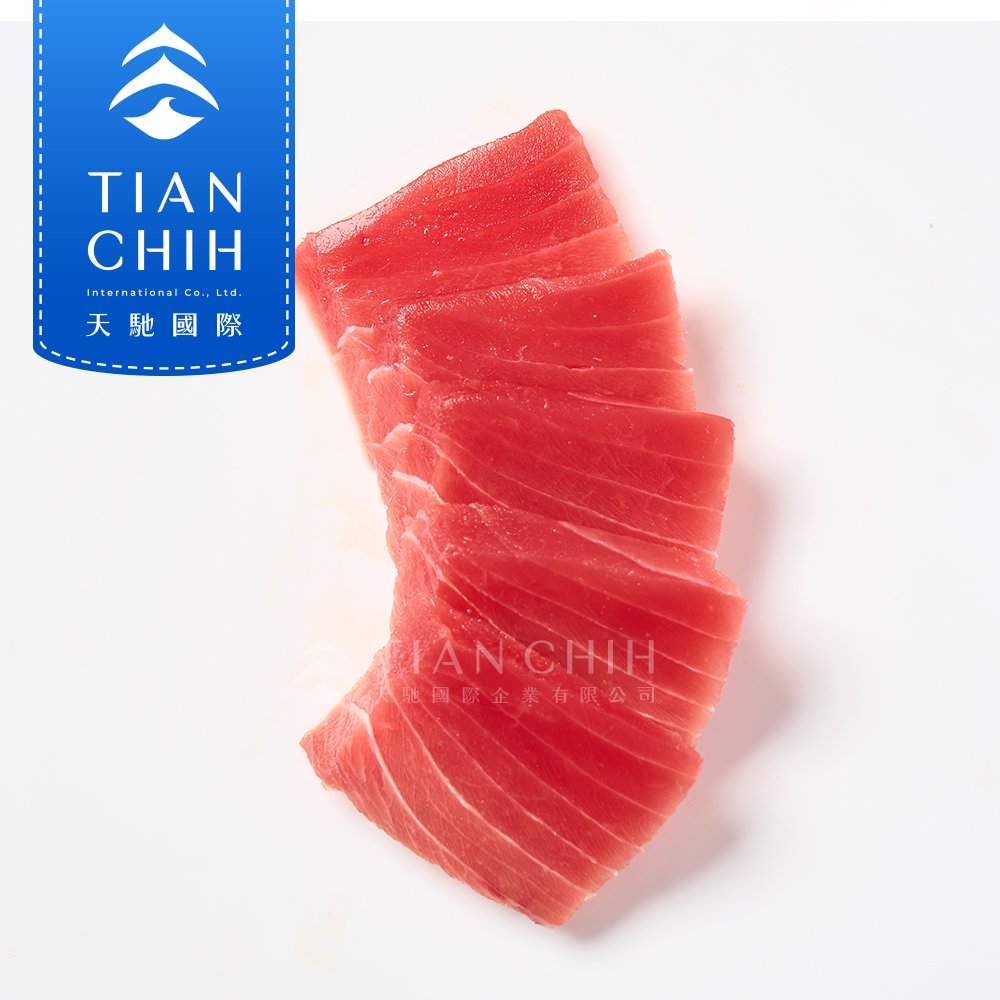
Southern Bluefin Tuna Akami (Sashimi)
Shipping & Origin
【Specifications】1 box(250g±20g)
【Origin】Pacific Ocean, Indian Ocean
【Specifications】1 box (250g±20g)
【Origin】Pacific Ocean, Indian Ocean
【Features】
Southern bluefin tuna boasts an alluring deep red sheen, like a ruby, making it visually appealing and mouthwatering. While lacking abundant fat, this cut is brimming with the purest and richest sweetness of deep-sea fish. The first bite offers a multi-layered chewy texture, with a subtle, elegant natural acidity in the finish – the most captivating hallmark of high-quality bluefin tuna. Each thick slice is like a microcosm of the deep-sea essence, with a clean and crisp flavor that never becomes cloying, no matter how much you eat. This is a classic masterpiece that those who truly appreciate the original flavor of tuna must savor.
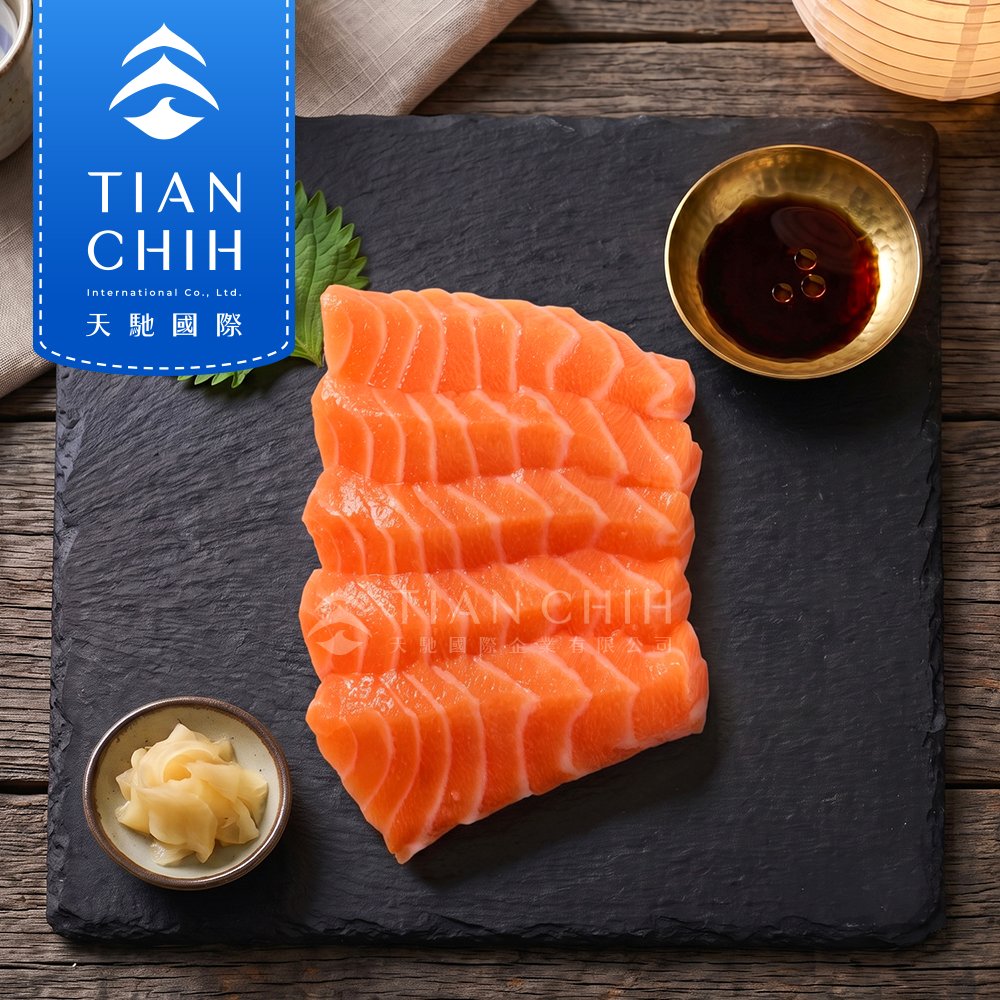
Norwegian Salmon Belly (Sashimi)
Shipping & Origin
【Specifications】1 box (250g±20,100g±20)
【Origin】Norway
【Specifications】1 box (250g±20,100g±20)
【Origin】Norway
【Features】
Carefully selected from the richest fat of the Arctic, this meat boasts a unique smooth texture and milky aroma,Every bite is packed with Omega-3. The meat is rich in evenly distributed fat, firm and chewy, with a perfectly balanced blend of lipids, resulting in a smooth, sweet, and refreshing taste that instantly releases a fresh ocean flavor on the tongue; its premium stripes shimmer with an orange-red sheen, perfect for simple pan-frying or as a seared sushi, releasing an amazingly rich aroma.
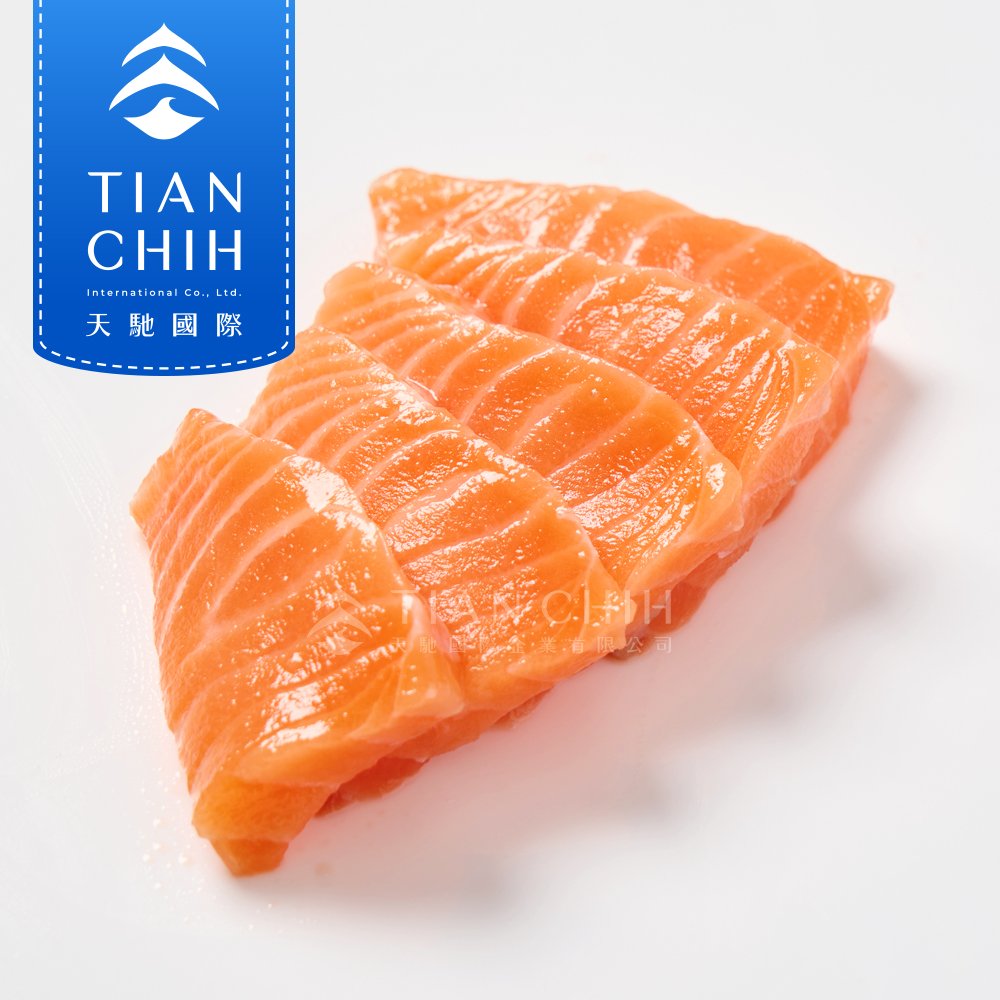
Salmon Loin (Sashimi)
Shipping & Origin
【Specifications】1 box (250g±20, 100g±20)
【Origin】Norway
【Specifications】1 box (250g±20, 100g±20)
【Origin】Norway
【Features】
Carefully selected fresh salmon from the pristine, cold waters of Norway. Luxuriously, only the thickest fillet from the back is used. Rich in evenly distributed fat, the flesh is firm and springy, with a perfectly balanced blend of lipids. It’s smooth, sweet, and instantly releases a refreshing ocean flavor on the tongue. Salmon is highly nutritious, rich in essential unsaturated fatty acids Omega-3, easily absorbed high-quality protein, vitamin D, B vitamins, selenium, and other minerals. It’s a deep-sea delicacy that satisfies both palate and health benefits. The entire salmon fillet is thickly sliced into sashimi. Whether enjoyed raw as sashimi or served chilled, it provides just the right amount of sweetness and refreshing oiliness, showcasing the exquisite layers of this top-quality salmon.
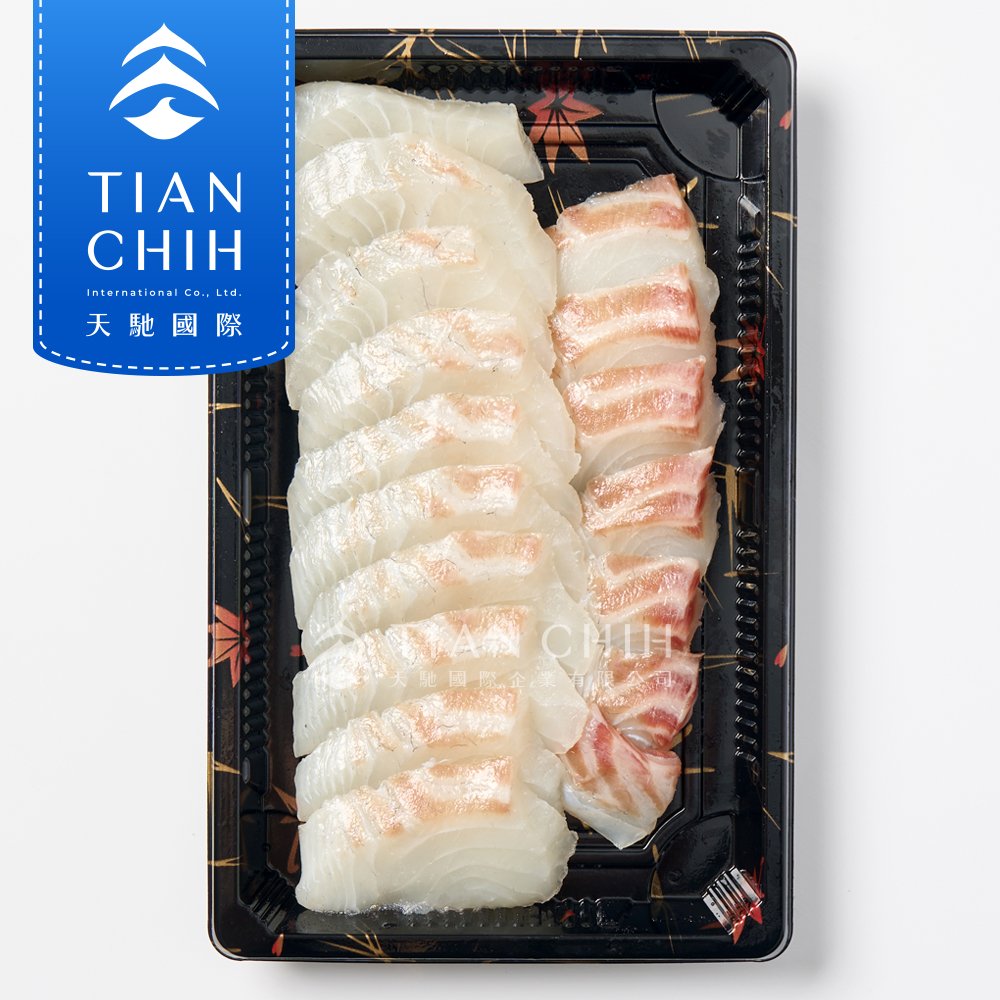
Mikan Tai (Madai)(Sashimi)
Shipping & Origin
【Specifications】Sashimi (sliced)
【Origin】Ehime Prefecture, Japan
【Specifications】Sashimi (sliced)
【Origin】Ehime Prefecture, Japan
【Features】
Japanese sea bream (mitan tai) is revered as the “King of Fish” because its name sounds like “congratulations,” making it a lucky symbol at celebrations and celebratory banquets. Originating from Ehime Prefecture, the land of mandarin oranges, this fish is fed with mandarin orange peel extract, resulting in translucent, perfectly odorless flesh with a subtle, refreshing citrus aroma. The fish has a vibrant, gorgeous bright pink body, and the flesh is a semi-transparent white, firm, and elastic, releasing a sweet and elegant oily aroma with each chew. Whether prepared as meticulously sliced sashimi, fragrant grilled sea bream, or the traditional “sea bream rice,” it perfectly showcases its regal elegance.
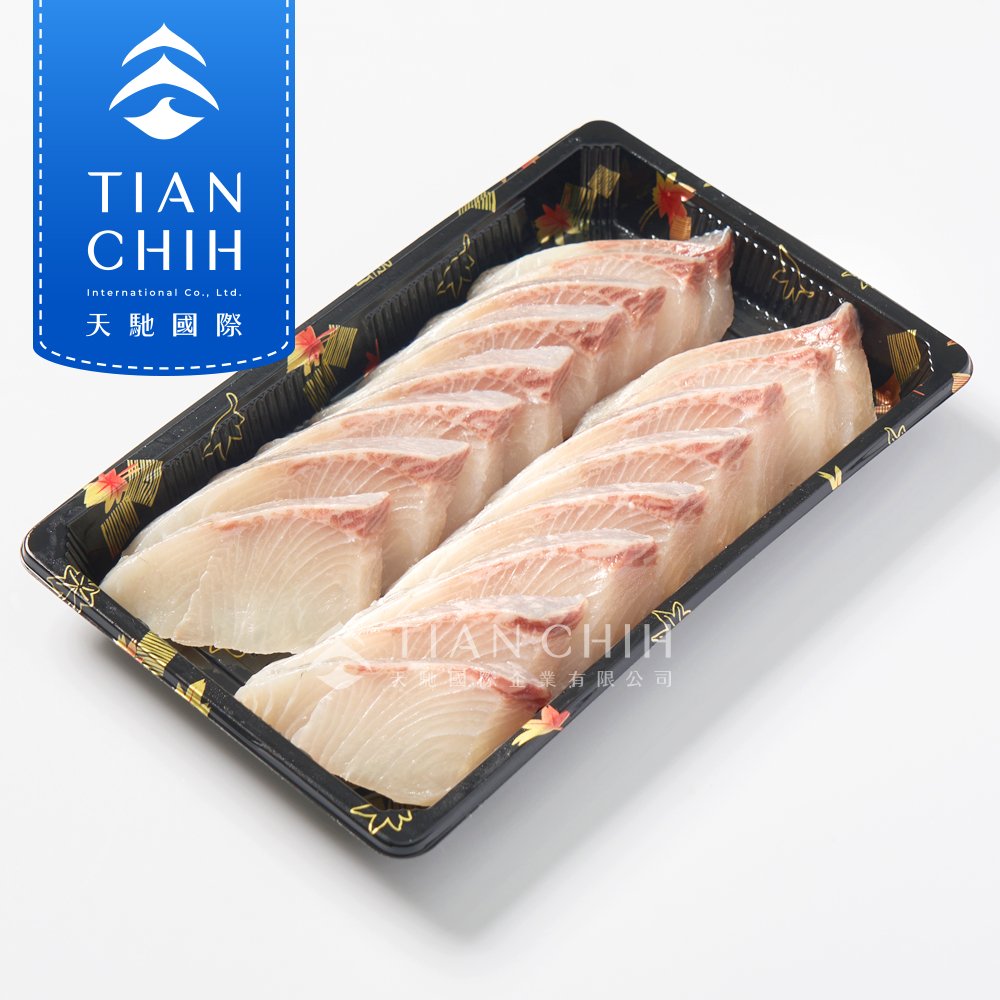
Japanese Amberjack (Sashimi)
Shipping & Origin
【Specifications】Sashimi (sliced)
【Origin】 Japan
【Specifications】Sashimi (sliced)
【Origin】 Japan
【Characteristics】
Japanese amberjack, known as Buri in Japan, is hailed as the “King of Winter Flavors.” It’s a high-grade white-fleshed fish in Japanese cuisine, an indispensable auspicious fish for New Year’s dishes, weddings, and other celebratory occasions. The flesh is milky white with a slight pink tinge, while the bloodline (the darker flesh near the spine) is bright red. Amberjack is rich in oil, with a tender and smooth texture, offering a melt-in-your-mouth sensation similar to Wagyu beef, with a rich yet sweet flavor. The “sweetness” of amberjack comes from its abundant free amino acids, releasing a subtle milky aroma and a sweet, oily taste upon tasting. Although rich in oil, its fish oil is rich in unsaturated fatty acids (DHA, EPA), resulting in a rich yet not greasy flavor with a unique, refreshing finish.
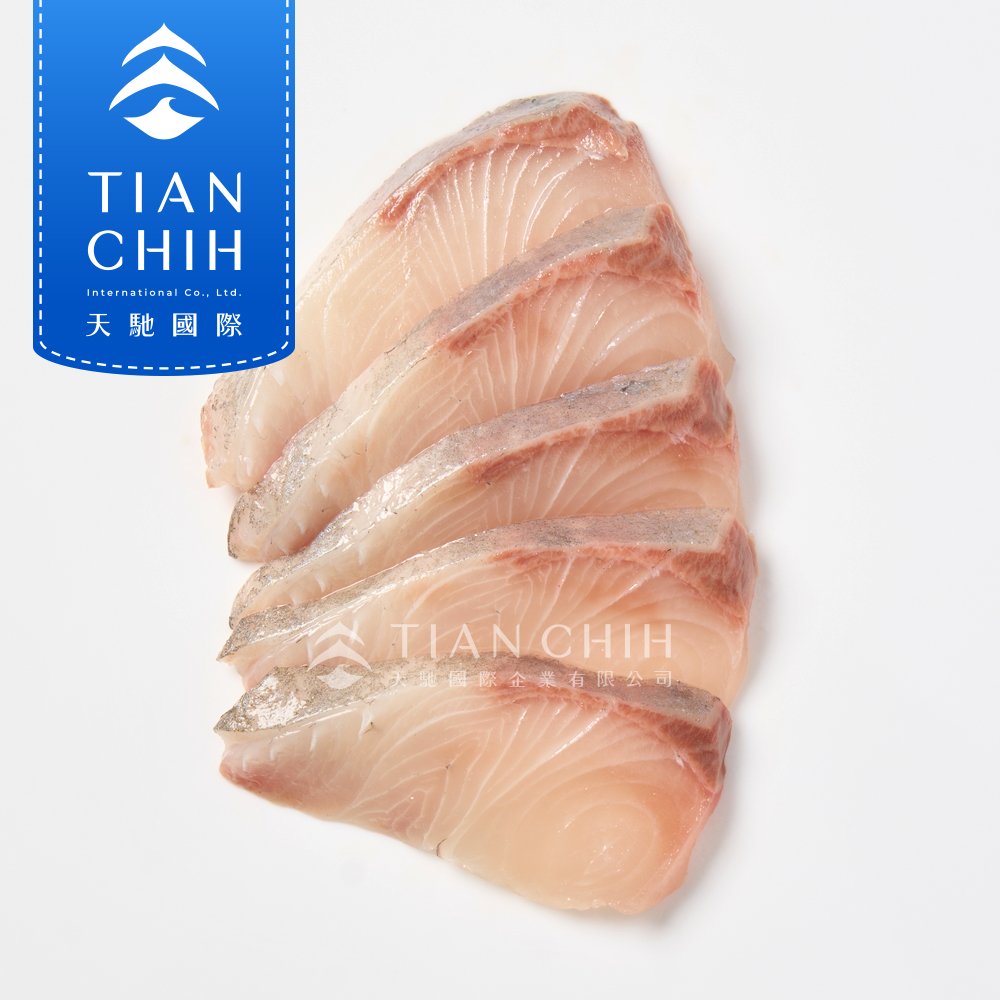
Greater amberjack (Sashimi)
Shipping & Origin
【Specifications】Sashimi (sliced)
【Origin】 Japan
【Specifications】Sashimi (sliced)
【Origin】 Japan
【Characteristics】
Japanese amberjack, also known as high-bodied yellowtail, is a highly sought-after premium edible fish in Japanese cuisine. The flesh of the amberjack (red amberjack) is more delicate and crisp than that of the green amberjack. Rich in oil, its flesh is tender yet firm, melting in the mouth with a rich, layered flavor and a unique sweet aroma, making it a top-tier sashimi ingredient in high-end Japanese cuisine. Its pinkish-red flesh is perfect for sashimi or nigiri sushi. Besides being eaten raw, the oily jaw can be grilled with salt or simmered with radish and soy sauce for a rich and complex flavor profile. In Japanese culture, the amberjack symbolizes rising to higher positions, making it an indispensable auspicious ingredient for New Year’s and celebratory banquets—a versatile fish that combines exquisite taste with good fortune.
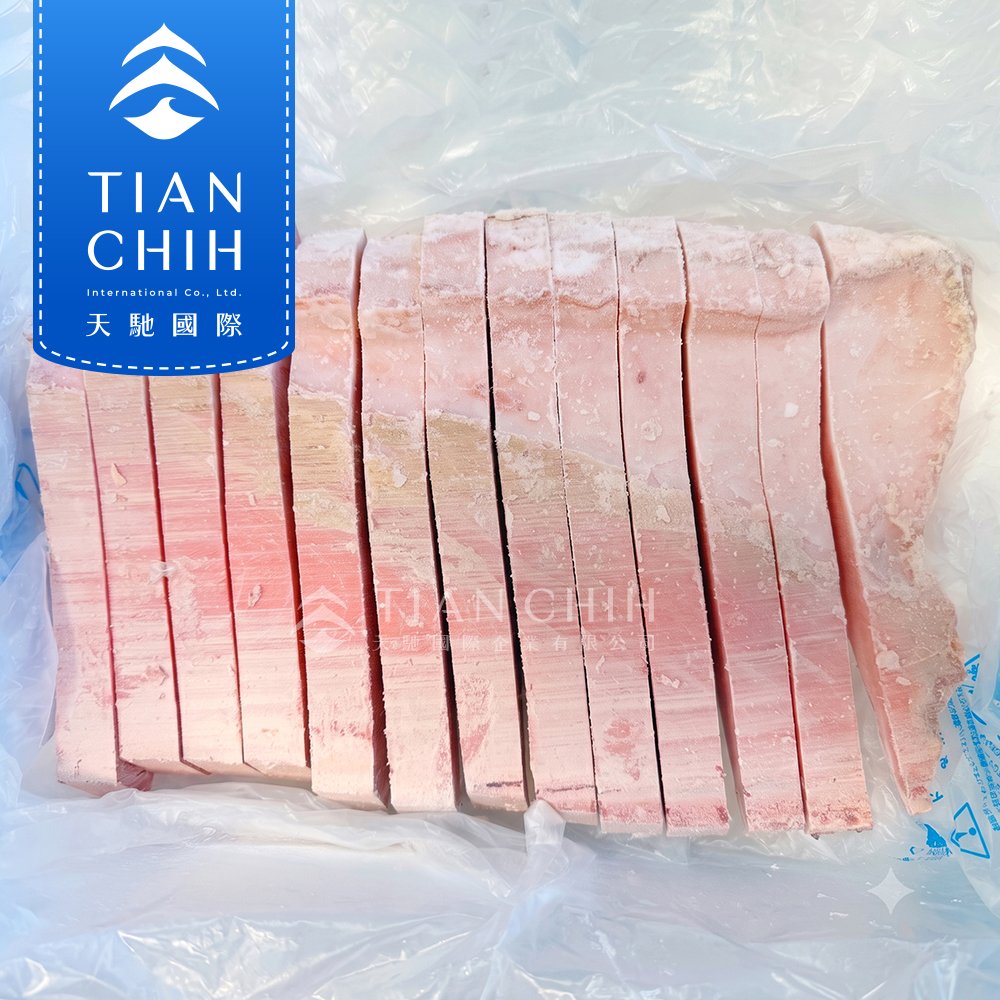
Pacific Bluefin Tuna – Otoro (Straight Cut)
Shipping & Origin
[Specifications] 1 Whole Case (10-13KG) ±
[Origin] Japan
[Specifications] 1 Whole Case (10-13KG) ±
[Origin] Japan
[Features]
Hailed as the “Diamond of the Sea,” Pacific Northern Bluefin Tuna Otoro is the richest, most prized, and most valuable cut of the tuna. It includes the prestigious “Golden Triangle” section, featuring a captivating pink hue adorned with intense, Wagyu-like white marbling that creates an extraordinarily luxurious visual appeal.The moment you take a bite, a rich aroma of tuna oil blossoms in your mouth, and the sweet richness melts instantly with the warmth of your tongue. Its silkily marbled texture offers a true melt-in-your-mouth tenderness so effortless it feels as though no chewing is required.Once thawed, it is ready to enjoy raw as sashimi—sliced thick for pure indulgence or crafted into nigiri sushi. Paired with a touch of wasabi to elevate its flavor, every single bite is an intoxicating, luxurious feast.
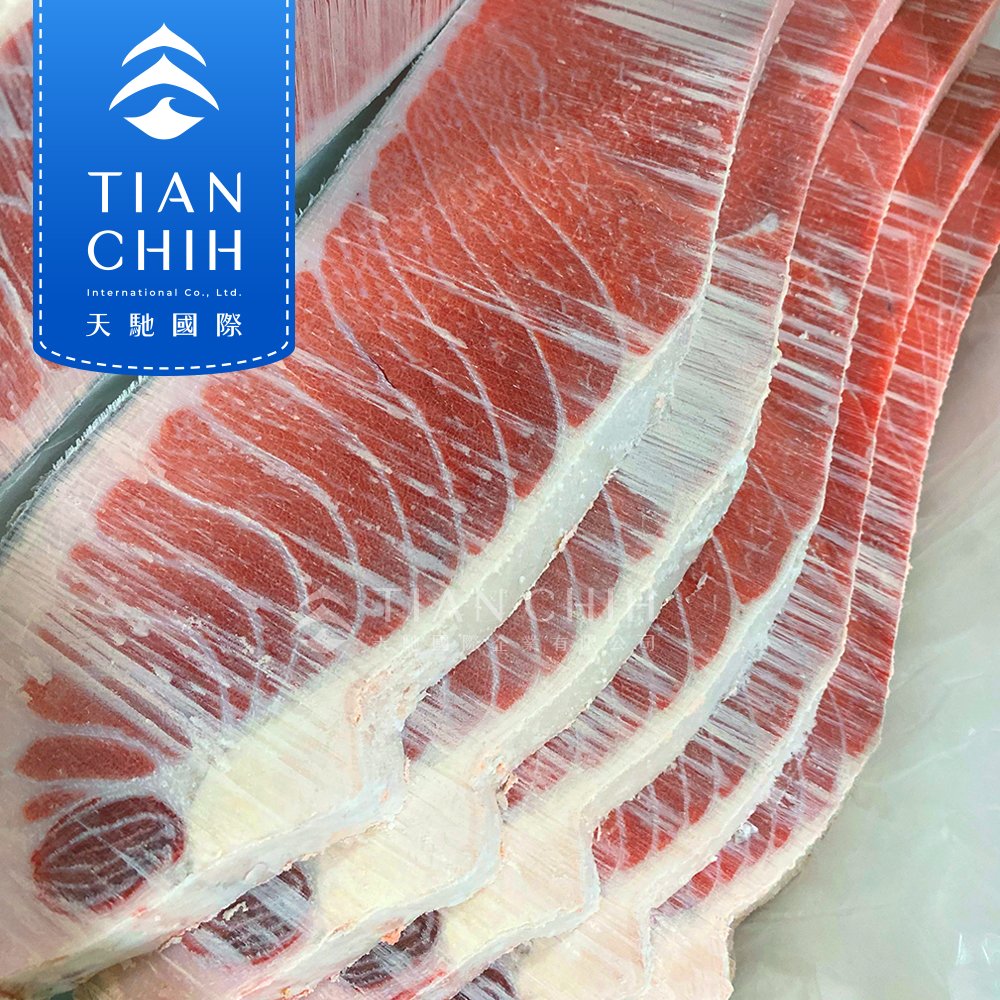
Northern Bluefin Tuna – Otoro (Cross Cut)
Shipping & Origin
[Specifications] 1 Piece (1kg) ±
[Origin] Japan
[Specifications] 1 Piece (1kg) ±
[Origin] Japan
[Features]
Hailed as the “Diamond of the Sea,” Pacific Northern Bluefin Tuna Otoro is the richest, most prized, and most valuable cut of the tuna. It includes the prestigious “Golden Triangle” section, featuring a captivating pink hue adorned with intense, Wagyu-like white marbling that creates an extraordinarily luxurious visual appeal.The moment you take a bite, a rich aroma of tuna oil blossoms in your mouth, and the sweet richness melts instantly with the warmth of your tongue. Its silkily marbled texture offers a true melt-in-your-mouth tenderness so effortless it feels as though no chewing is required.Once thawed, it is ready to enjoy raw as sashimi—sliced thick for pure indulgence or crafted into nigiri sushi. Paired with a touch of wasabi to elevate its flavor, every single bite is an intoxicating, luxurious feast.
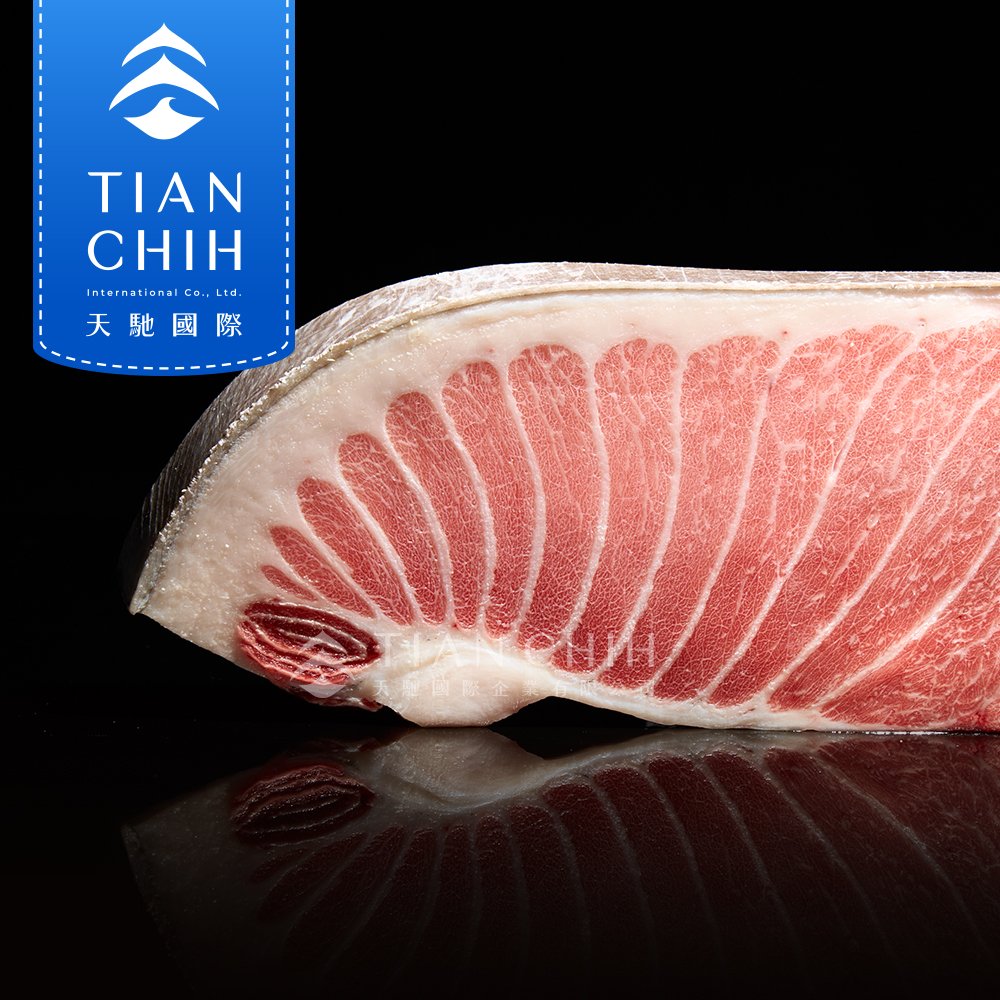
Northern Bluefin Tuna – Otoro
Shipping & Origin
[Specifications] Cross-cut / Straight-cut (Lengthwise-cut)
[Origin] Japan
[Specifications] Cross-cut / Straight-cut (Lengthwise-cut)
[Origin] Japan
[Features]
Hailed as the “Diamond of the Sea,” Pacific Northern Bluefin Tuna Otoro is the richest, most prized, and most valuable cut of the tuna. It includes the prestigious “Golden Triangle” section, featuring a captivating pink hue adorned with intense, Wagyu-like white marbling that creates an extraordinarily luxurious visual appeal.The moment you take a bite, a rich aroma of tuna oil blossoms in your mouth, and the sweet richness melts instantly with the warmth of your tongue. Its silkily marbled texture offers a true melt-in-your-mouth tenderness so effortless it feels as though no chewing is required.Once thawed, it is ready to enjoy raw as sashimi—sliced thick for pure indulgence or crafted into nigiri sushi. Paired with a touch of wasabi to elevate its flavor, every single bite is an intoxicating, luxurious feast.
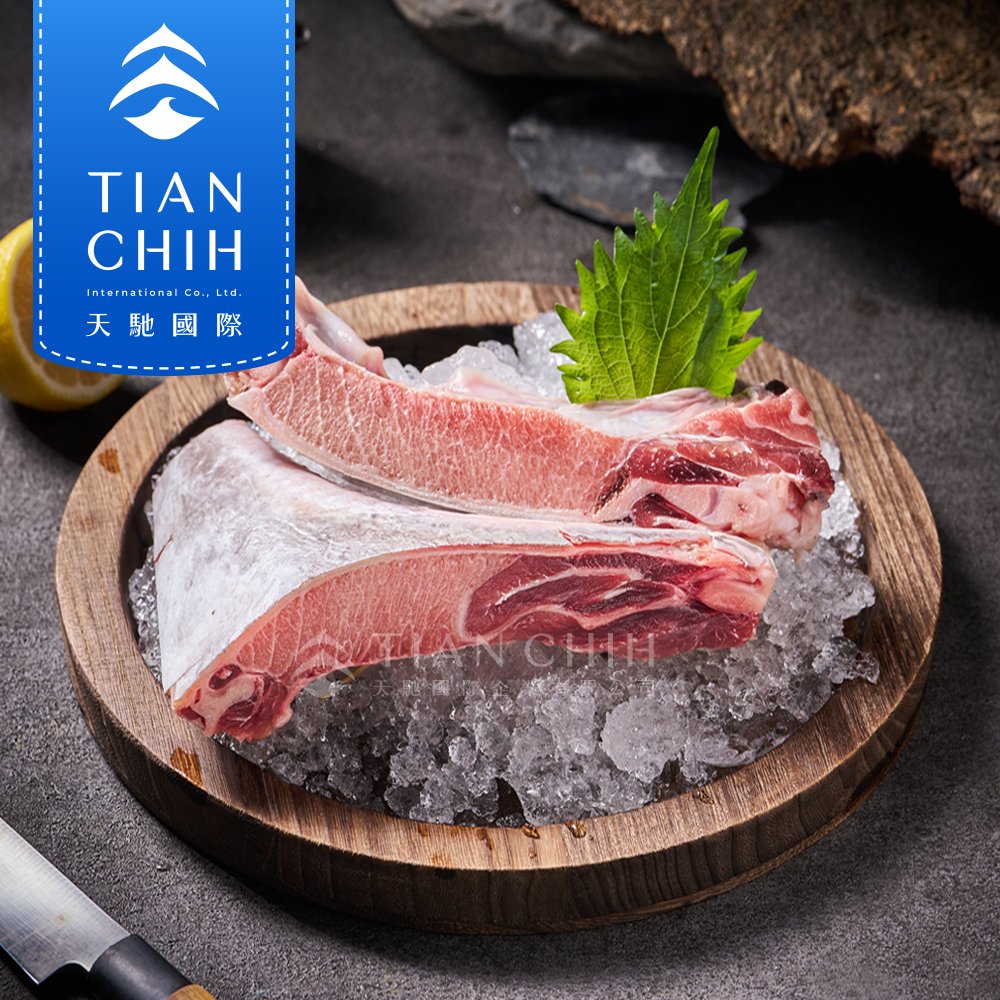
Southern Bluefin Tuna Collar
Shipping & Origin
【Specifications】Sliced, Whole
【Origin】Pacific Ocean, Indian Ocean
【Specifications】Sliced, Whole
【Origin】Pacific Ocean, Indian Ocean
【Characteristics】
Southern bluefin tuna jaw, known as “Wagyu of the Sea,” is a rare and top-grade delicacy. Only two pieces can be extracted from each tuna, and it has an extremely high oil content. The flesh is firm and rich in collagen, with abundant fat evenly distributed throughout the muscle, presenting an attractive, glossy color. After being grilled or seared at high temperatures, the rich aroma of the fat immediately fills the air, revealing a plump and smooth interior. Upon tasting, the outer skin is slightly crispy with a slightly charred aroma, while the flesh is incredibly dense and juicy, offering a rich and layered texture. The overflowing sweetness of the fat and collagen melts smoothly on the tongue, delivering a powerfully impactful flavor. A touch of salt and pepper or lemon juice further enhances its natural sweetness.
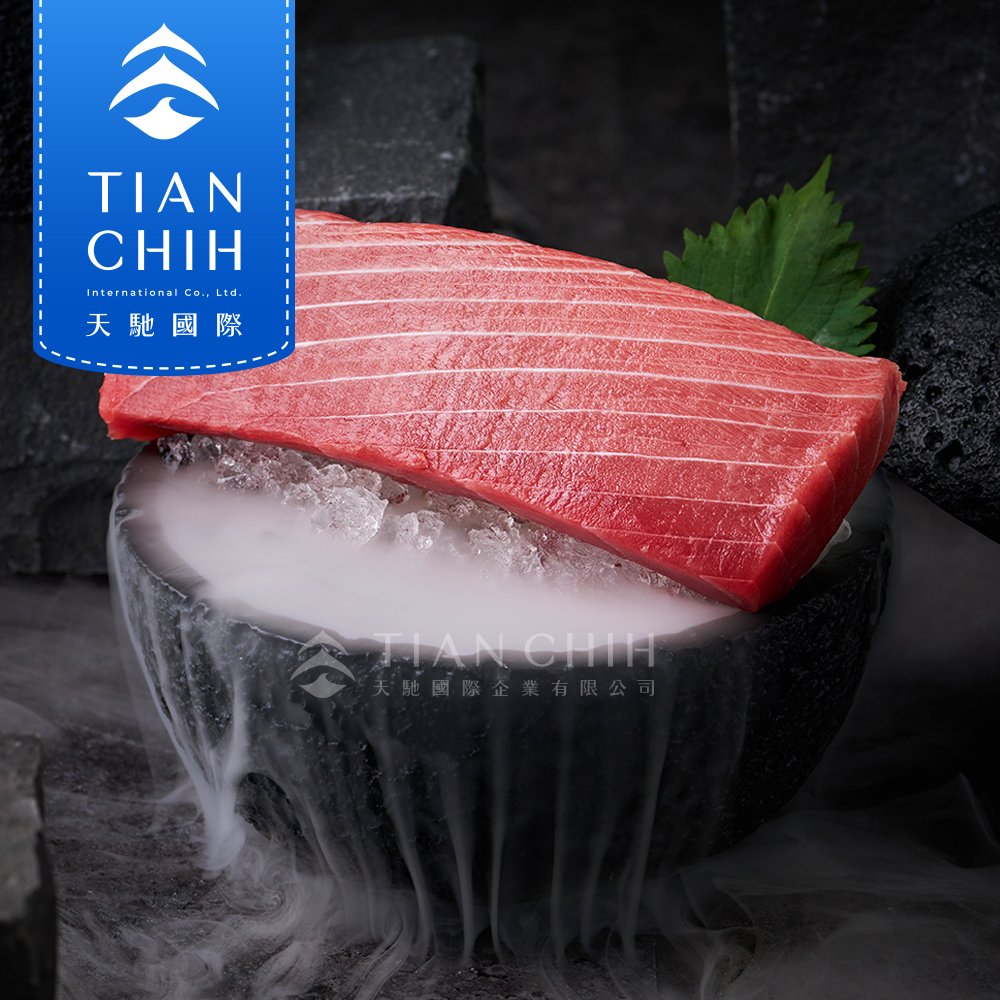
Southern bluefin tuna skin oil
Shipping & Origin
【Specifications】1 piece (450g,650g,1000g)±50
【Origin】Pacific Ocean, Indian Ocean
【Specifications】1 piece (450g,650g,1000g)±50
【Origin】Pacific Ocean, Indian Ocean
【Features】
Southern bluefin tuna skin oil, located close to the skin, is an extremely rich and flavorful part, combining marbling from the mid-belly with abundant collagen. The tuna skin oil has a pinkish hue, with fine, dense layers of oil melting into the flesh like snowflakes, showcasing unparalleled elegance. Upon tasting, the sweet and rich fish oil quickly blooms on the tongue, so smooth it seems to melt instantly, offering an incredibly complex and layered flavor. Whether used in sashimi or nigiri sushi, it delivers the ultimate luxurious experience coveted by discerning gourmets. This bite of deep-sea oil essence is undoubtedly the most unforgettable and dreamlike delicacy on any bluefin tuna culinary journey.
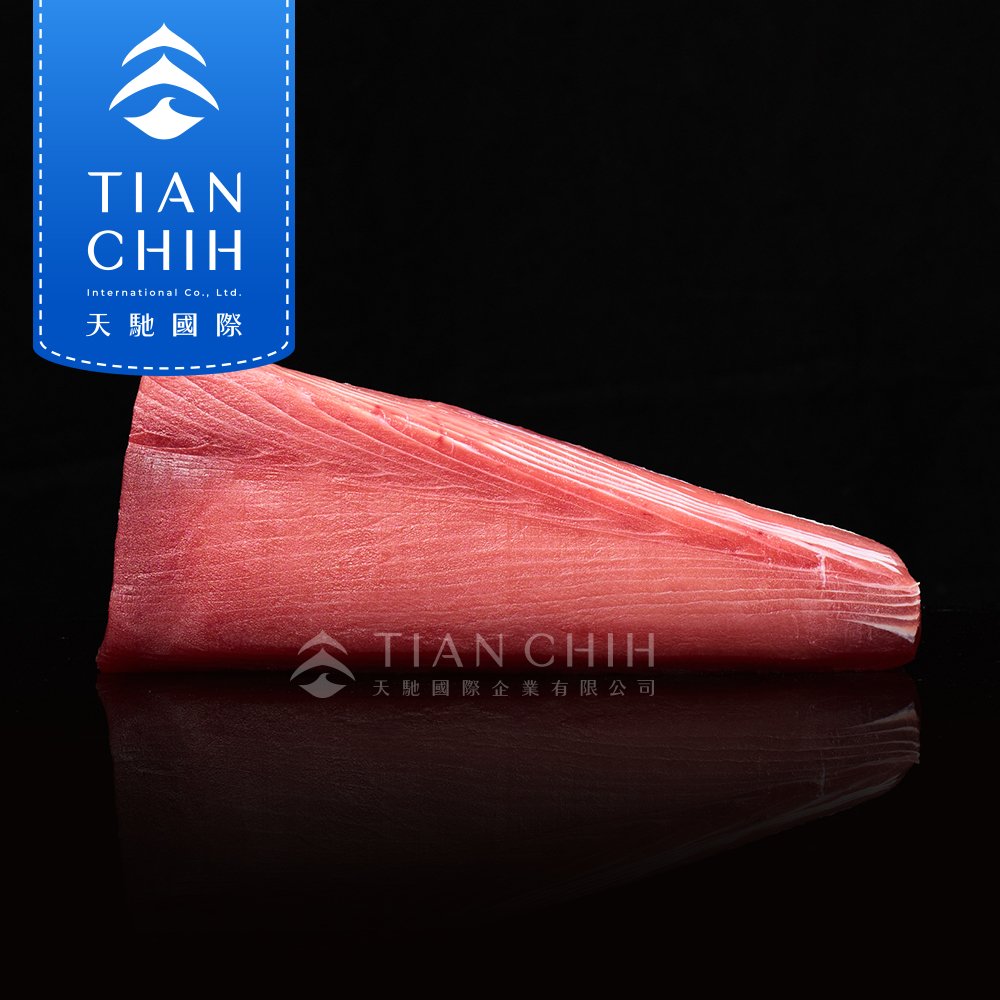
Wild Southern Bluefin Tuna Back Meat
Shipping & Origin
【Specifications】1 piece (450g,650g,1000g)±50
【Origin】Pacific Ocean, Indian Ocean
【Specifications】1 piece (450g,650g,1000g)±50
【Origin】Pacific Ocean, Indian Ocean
【Characteristics】
Southern bluefin tuna back meat (clean meat). While not as fatty as the belly meat, this cut concentrates the purest and most intense umami flavor of the entire bluefin tuna. Its deep, reddish-brown color and alluring ruby-like sheen, combined with its firm yet delicate texture, exhibit excellent elasticity and smoothness when sliced. Upon first bite, the tongue immediately experiences a layered sensation of slightly acidic and savory flavors; with gentle chewing, the velvety texture slowly melts in the mouth. A unique marine iron aroma then emerges, followed by an unforgettable, elegant sweetness. This refreshing and non-greasy characteristic allows you to eat several slices without feeling overwhelmed. The back meat of the bluefin tuna (whole meat can be used as sashimi, marinated in soy sauce (Zuke), or diced and made into a luxurious tuna donburi, which best represents the soul and ultimate freshness of the bluefin tuna).
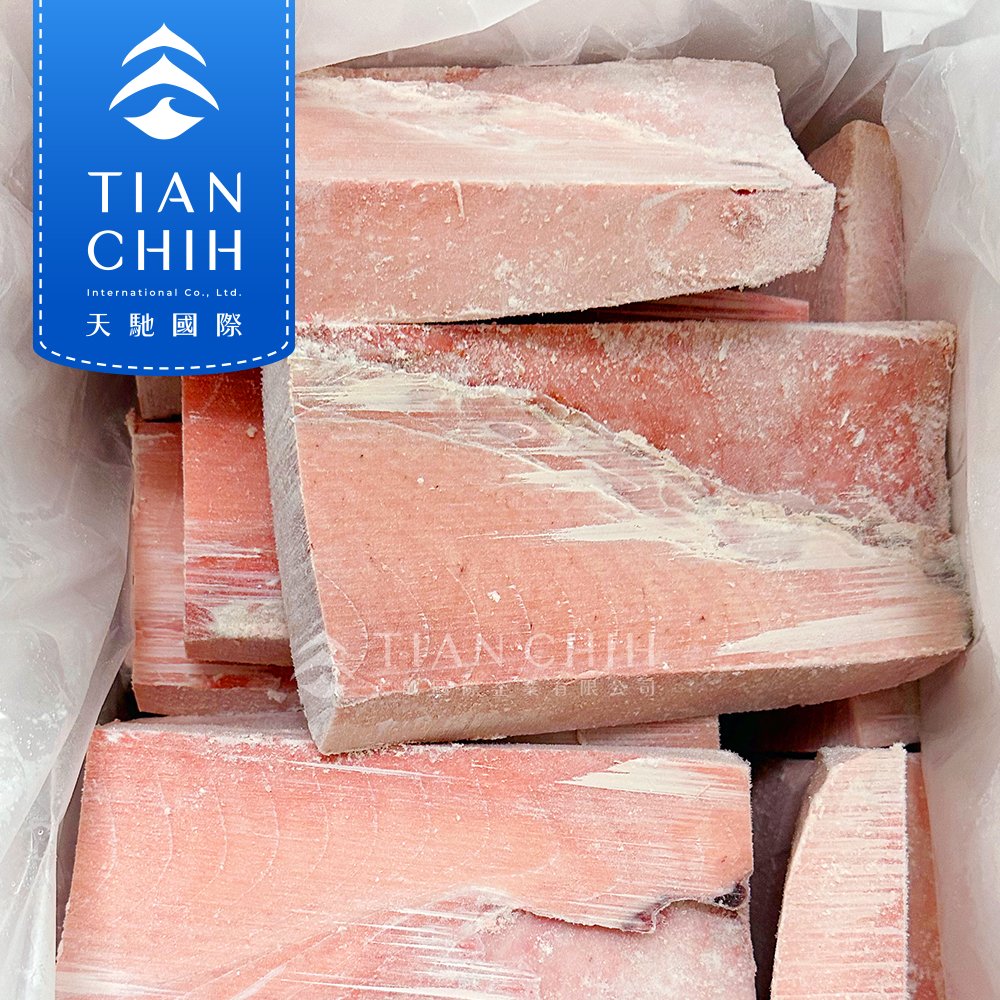
Skinless Southern Bluefin Tuna Belly
Shipping & Origin
【Specifications】1 piece (0.5-1KG)
【Origin】Pacific Ocean, Indian Ocean
【Specifications】1 piece (0.5-1KG)
【Origin】Pacific Ocean, Indian Ocean
【Features】
Carefully selected from the richest and most evenly distributed fat on the “O-Toro” cut of wild southern bluefin tuna, with fat as fine as snowflakes. It melts instantly on the tongue, releasing a rich and elegant aroma. This is the most valuable and premium part of the bluefin tuna. The exquisitely tender texture is interwoven with a subtle ocean sweetness, without any unpleasant greasiness. Instead, it possesses a stunning delicacy and layering, making each bite a luxurious feast for the taste buds. It is an irreplaceable, top-tier dream for discerning gourmets.
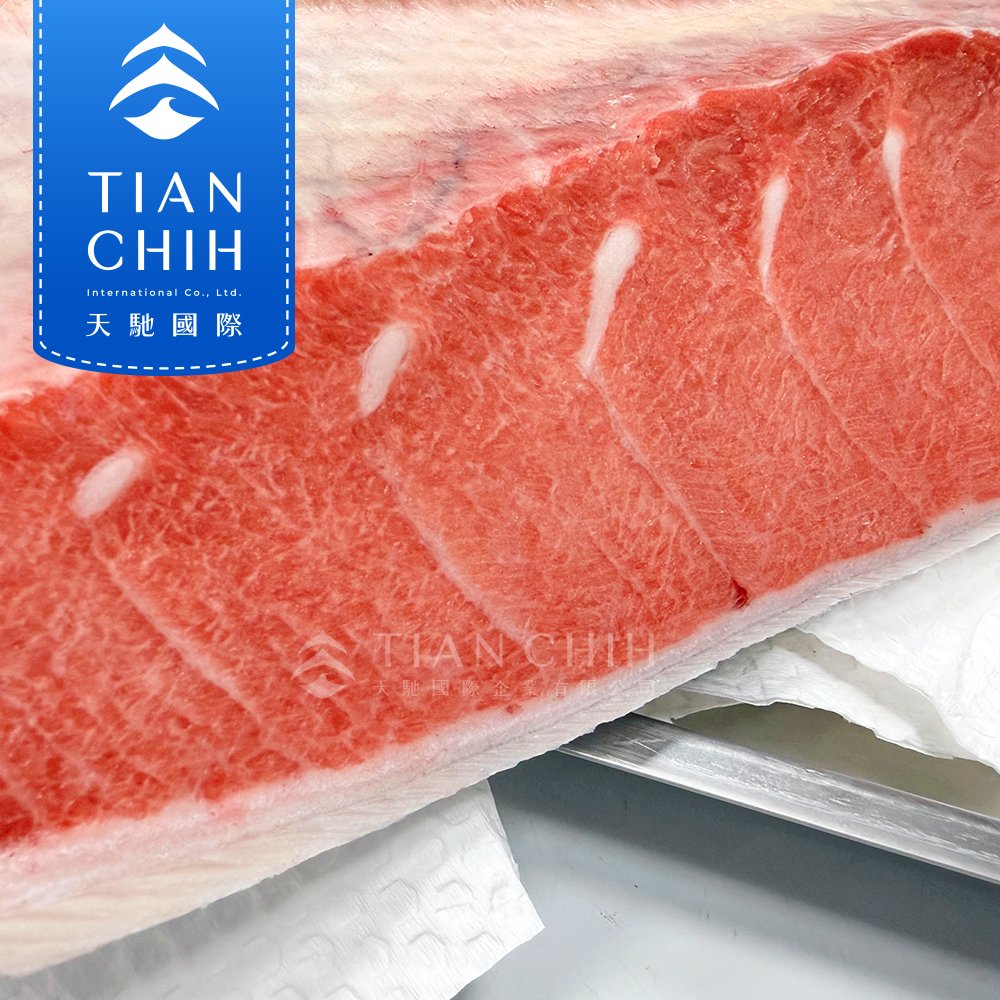
Southern Bluefin Tuna Belly (skin-on)
Shipping & Origin
【Specifications】1 piece(0.3-0.8KG)
【Origin】Pacific Ocean, Indian Ocean
【Specifications】1 piece (0.3-0.8KG)
【Origin】Pacific Ocean, Indian Ocean
【Features】
Carefully selected from the richest and most evenly distributed fat on the “O-Toro” cut of wild southern bluefin tuna, with fat as fine as snowflakes. It melts instantly on the tongue, releasing a rich and elegant aroma. This is the most valuable and premium part of the bluefin tuna. The exquisitely tender texture is interwoven with a subtle ocean sweetness, without any unpleasant greasiness. Instead, it possesses a stunning delicacy and layering, making each bite a luxurious feast for the taste buds. It is an irreplaceable, top-tier dream for discerning gourmets.
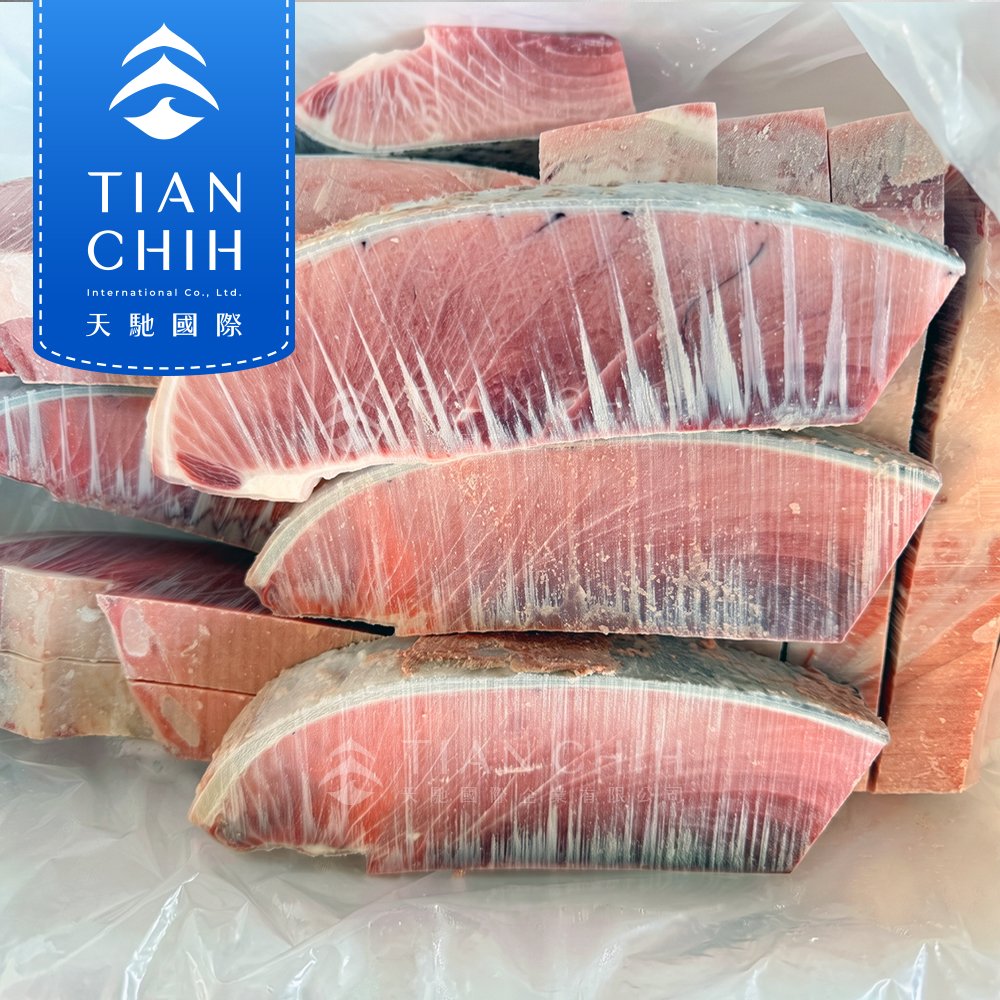
Southern Bluefin Tuna Otoro(with skin – sliced horizontally)
Shipping & Origin
【Specifications】1 piece(0.3-0.8KG)
【Origin】Pacific Ocean, Indian Ocean
【Specifications】1 piece(0.3-0.8KG)
【Origin】Pacific Ocean, Indian Ocean
【Features】
The fat and flesh of the Southern Bluefin Tuna are perfectly balanced, with a delicate pink color and a smooth, silky texture. It combines the freshness of fish with the rich aroma of fat. Taking a bite, the touch of your tongue instantly awakens the rich fat, like melt-in-your-mouth cream; followed by an intensely rich and clean fish oil aroma that spreads freely between your teeth and cheeks. Every bite is a luxurious sensory experience, making you want to close your eyes and immerse yourself in unparalleled bliss. Even after swallowing, the lingering, full-bodied freshness remains, refusing to dissipate. This is not just a simple enjoyment of food, but a soul-stirring feast that reaches from the tip of your tongue to your very heart.
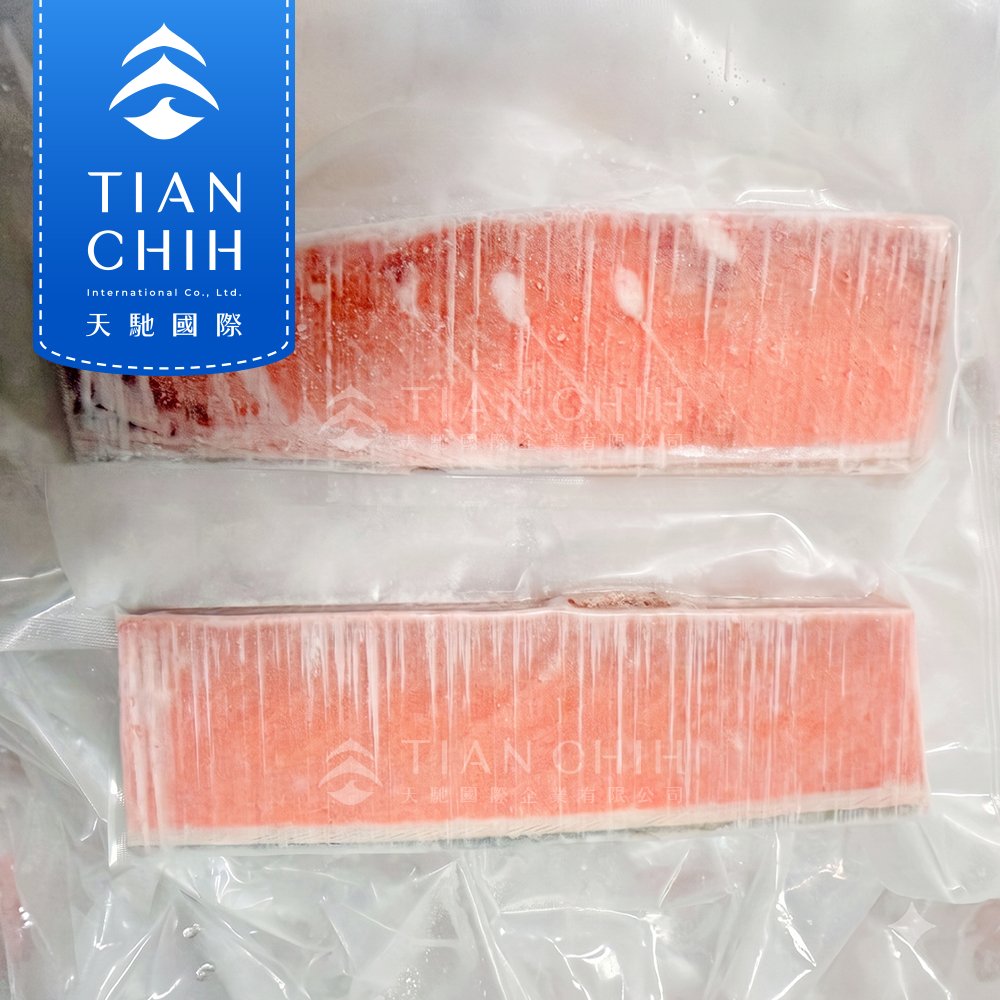
Southern Bluefin Tuna Otoro(with skin – straight cut)
Shipping & Origin
【Specifications】1 piece(0.3-0.8KG)
【Origin】Pacific Ocean, Indian Ocean
【Specifications】1 piece(0.3-0.8KG)
【Origin】Pacific Ocean, Indian Ocean
【Features】
The fat and flesh of the Southern Bluefin Tuna are perfectly balanced, with a delicate pink color and a smooth, silky texture. It combines the freshness of fish with the rich aroma of fat. Taking a bite, the touch of your tongue instantly awakens the rich fat, like melt-in-your-mouth cream; followed by an intensely rich and clean fish oil aroma that spreads freely between your teeth and cheeks. Every bite is a luxurious sensory experience, making you want to close your eyes and immerse yourself in unparalleled bliss. Even after swallowing, the lingering, full-bodied freshness remains, refusing to dissipate. This is not just a simple enjoyment of food, but a soul-stirring feast that reaches from the tip of your tongue to your very heart.
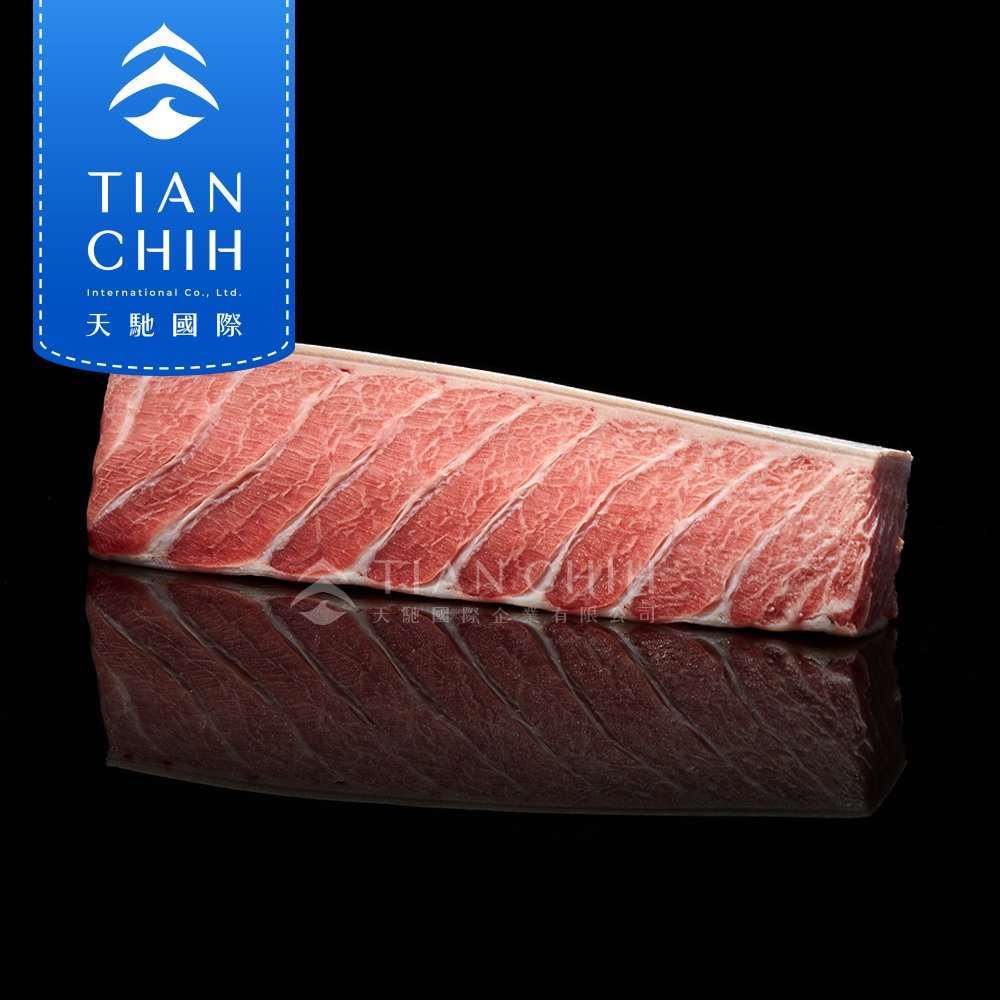
Southern Bluefin Tuna Toro
Shipping & Origin
【Features】
The following content should be formatted into 6 sentences without paragraph breaks: The fat and flesh of the Southern Bluefin Tuna are in a perfect ratio. Its delicate pink color, accompanied by warm, glistening oil, gives it a texture as smooth as silk. It combines the freshness of fish with the rich aroma of fat. Taking a bite, the touch of your tongue instantly awakens the rich fat, like top-quality cream melting silently. This is followed by an extremely rich and clean aroma of fish fat, spreading freely between your teeth and cheeks. Every bite is an ultimate luxurious baptism for the taste buds, making you want to close your eyes and immerse yourself in unparalleled happiness. With each swallow, the lingering, full-bodied freshness remains, lingering long after swallowing. This is not just a simple enjoyment of food, but an ultimate feast that makes your soul tremble, reaching from the tip of your tongue to your very heart.
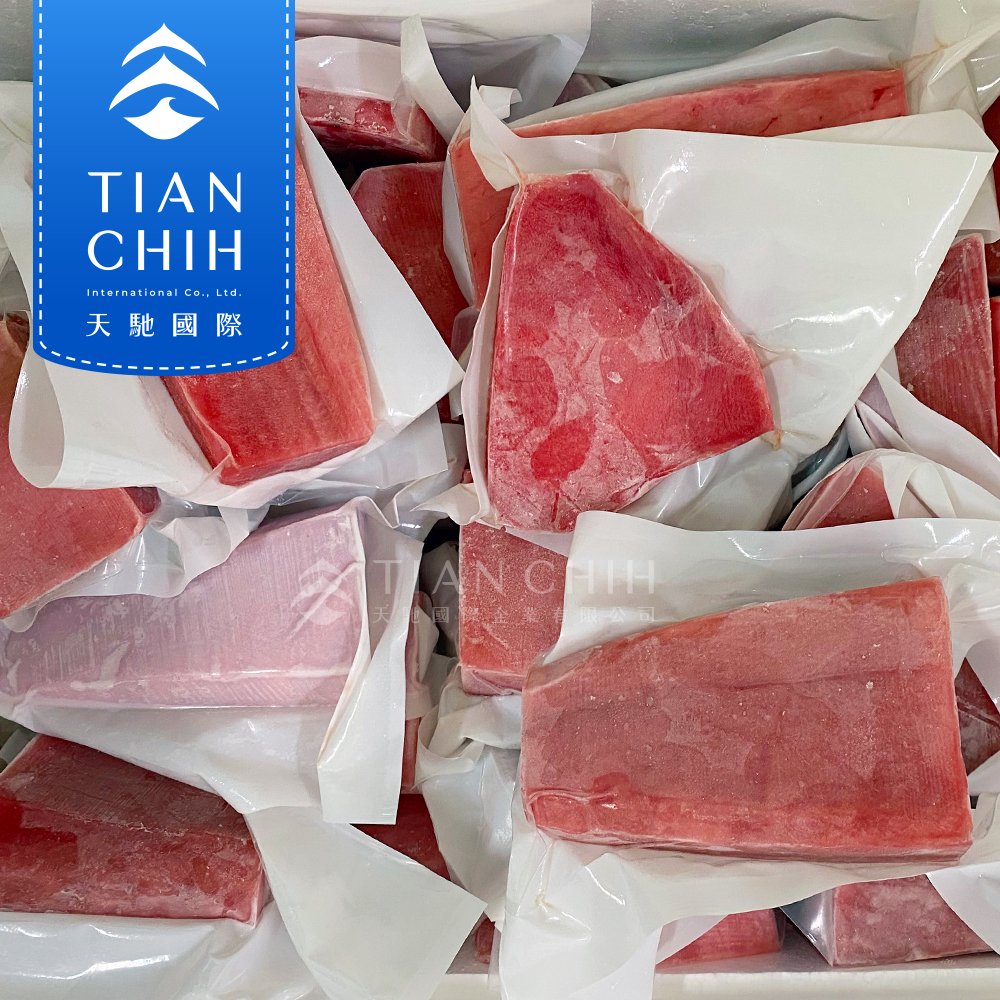
Tuna Bricks (tail section cut into pieces)
Shipping & Origin
【Specifications】1 piece(0.4~0.7KG), 1 box(20KG)
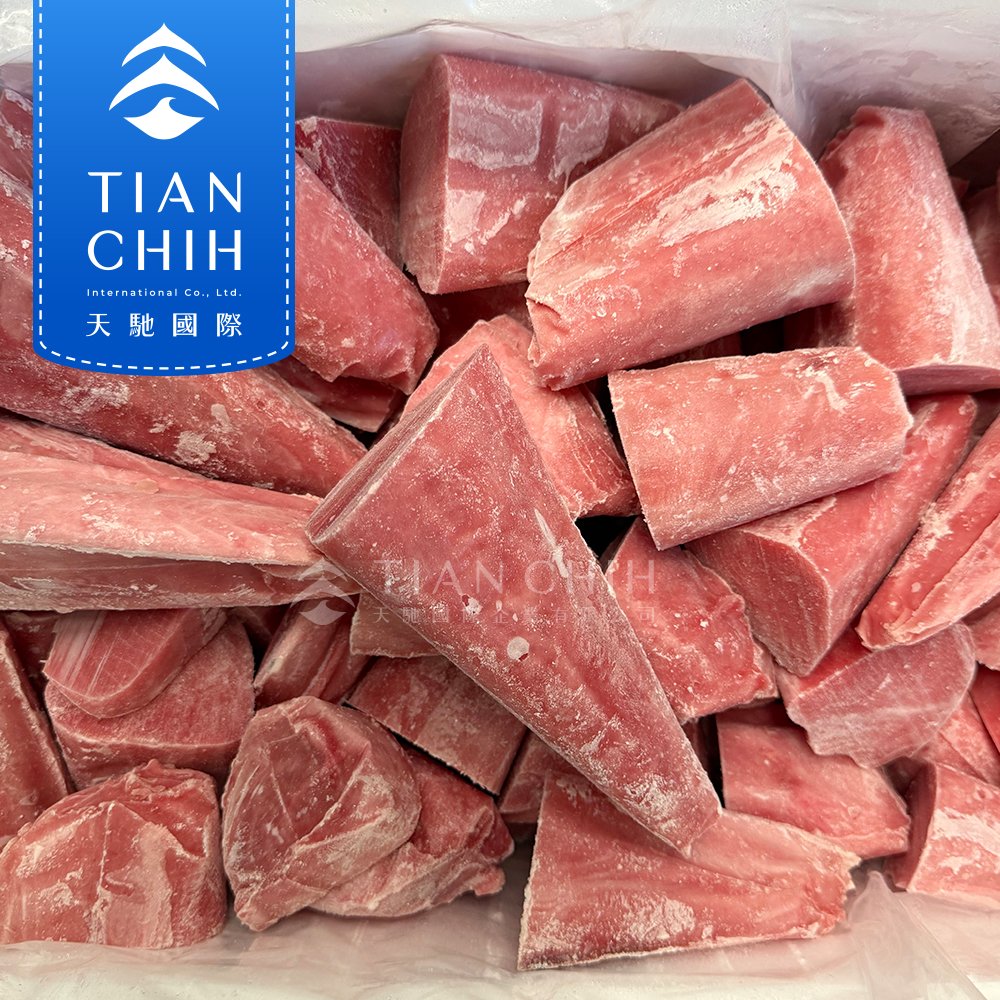
Tuna Block (cut into pieces from both ends)
Shipping & Origin
【Specifications】1 piece(0.2~0.5KG), 1 box(20KG)
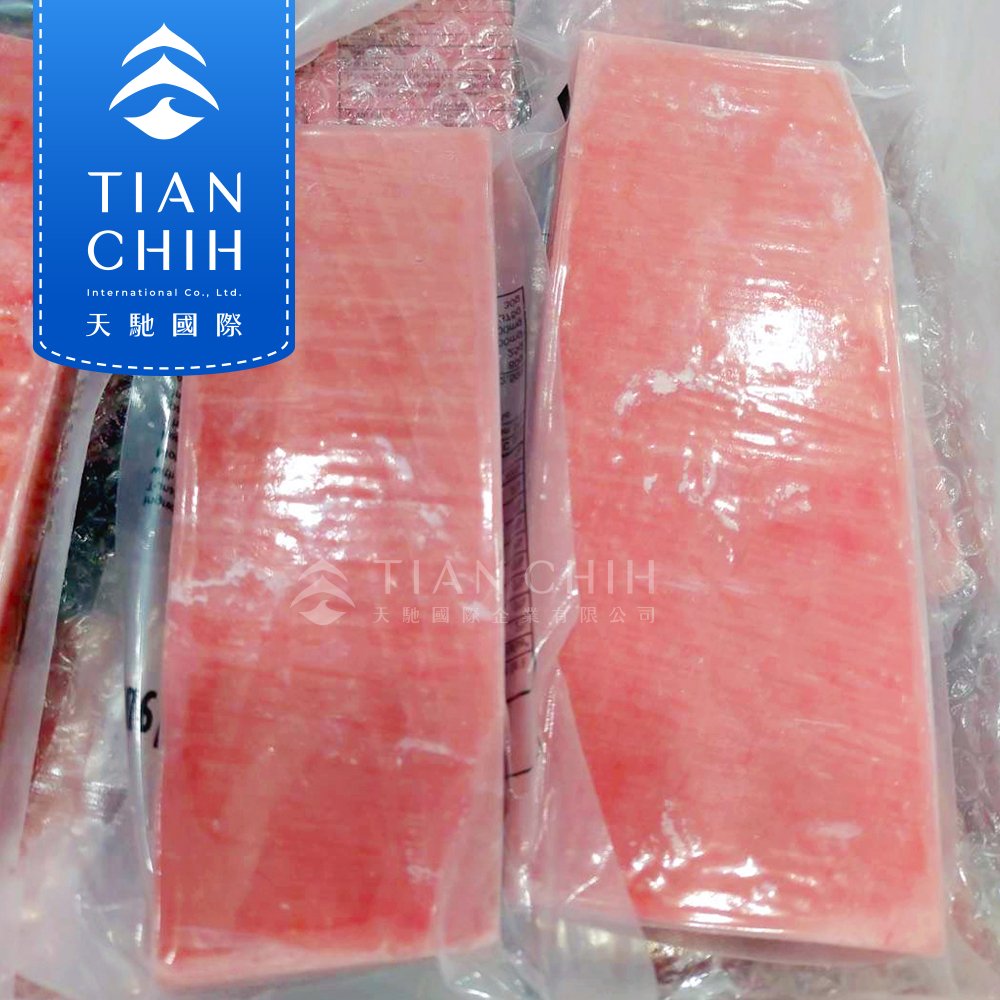
Tuna Saku
Shipping & Origin
【Specifications】1 piece(0.5~0.8KG), 1 box(20KG)
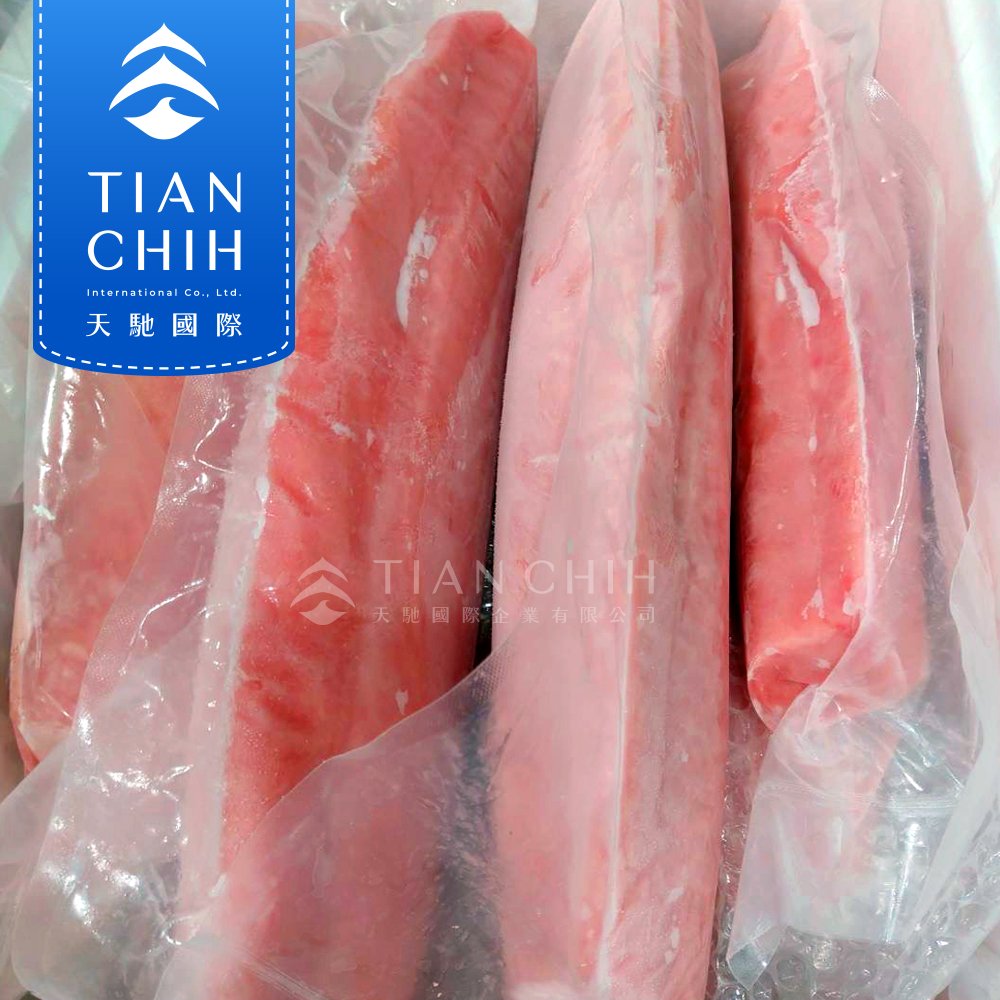
Tuna Strips
Shipping & Origin
【Specifications】1 pack(1~1.5KG), 1 box(20KG)
Skinless Albacore Tuna Belly
Shipping & Origin
【Special Features】
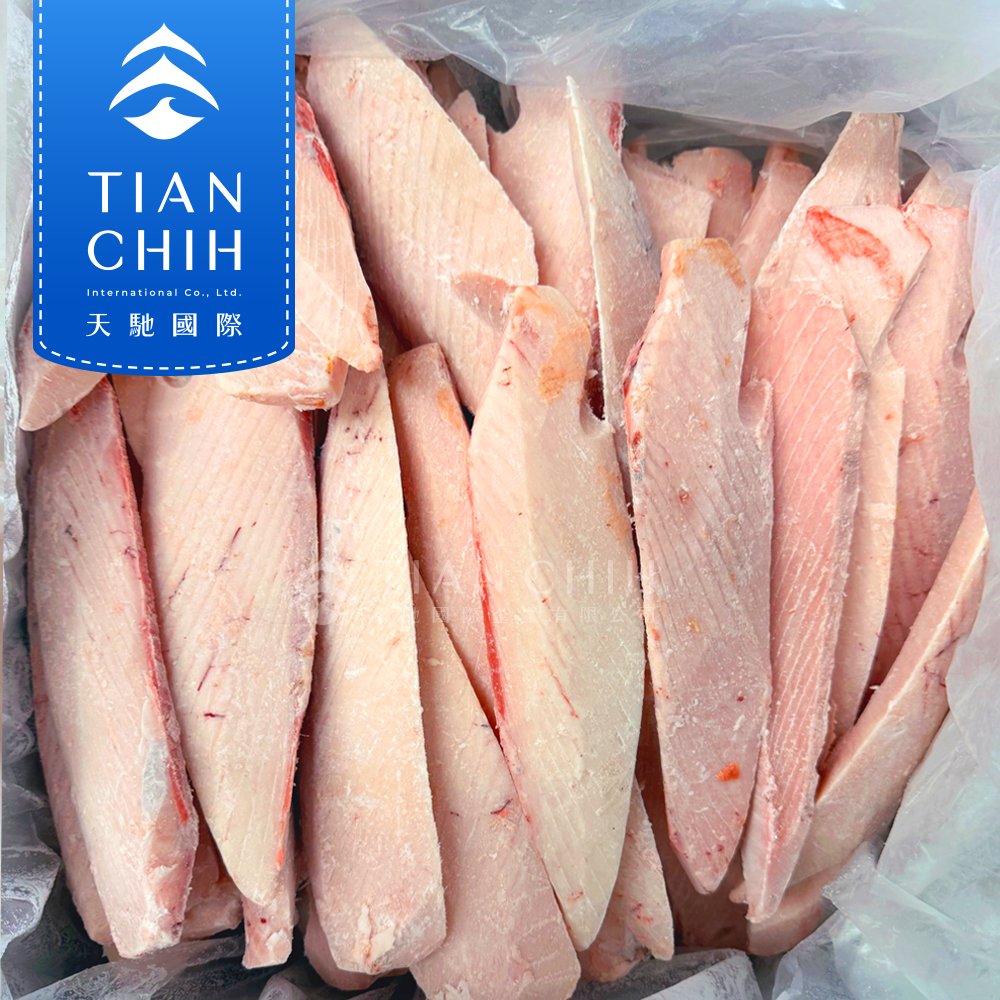
The flesh of the albacore tuna is as tender as white jade, with an elegant and sweet unique flavor. The belly meat of the skinless albacore tuna is scattered with fine, evenly marbled fat, much like top-grade Wagyu beef. Upon entering the mouth, the fish fat melts instantly on the tongue, transforming into a smooth, silky, and effortlessly delicious texture. This almost “melts in your mouth” sensation is a marvelous experience, where the richness of the fat and the sweetness of the fish are perfectly balanced. This luxurious richness lingers in the mouth, and the delicate, elegant sweetness remains on the throat, making one want to close their eyes and savor the experience.
Albacore tuna (Fish chunks/ Fish bricks)
Shipping & Origin
【Features】
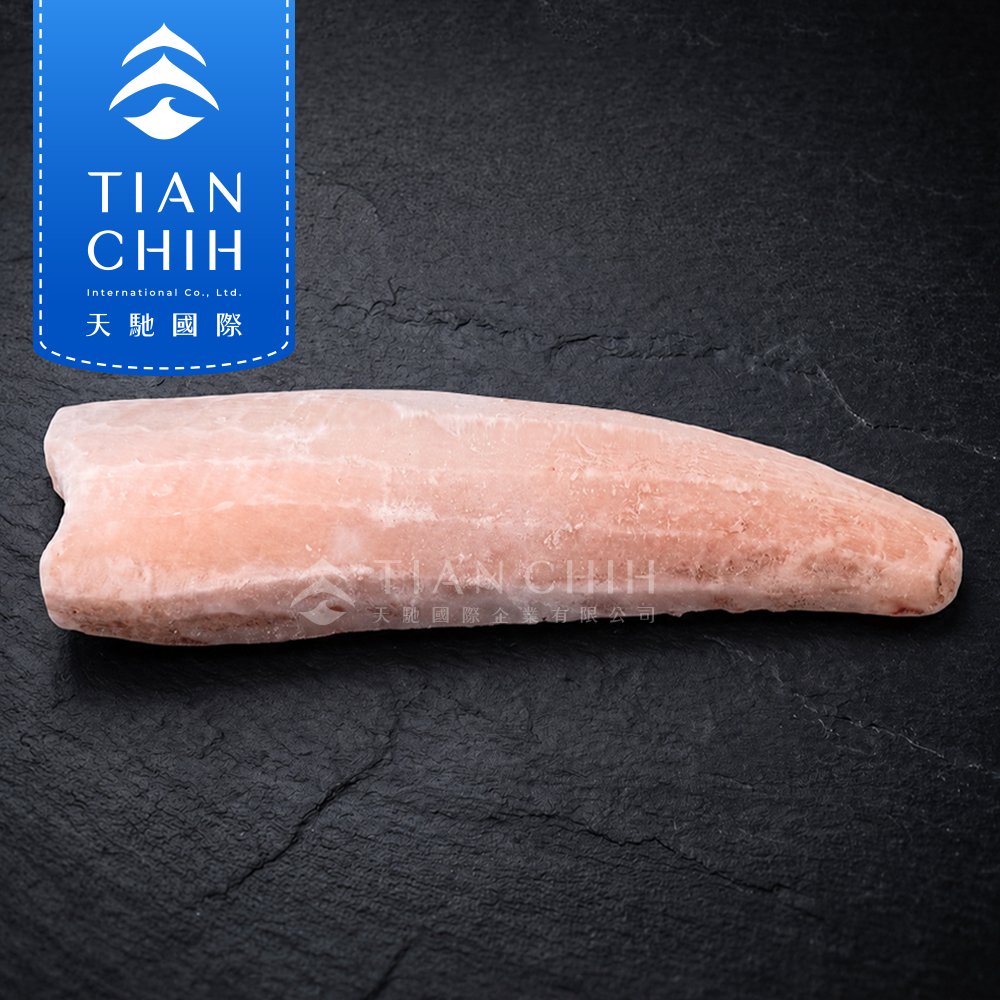
The flesh of the longfin tuna is as pink and delicate as white jade, with an elegant and sweet unique flavor. A light bite reveals a smooth, creamy texture that melts gently on the tongue, creating an unparalleled sensory feast. Abundant and perfectly balanced fish oil releases in the mouth, its rich aroma without being greasy. Every bite offers the purest freshness of the ocean, accompanied by a subtle sweetness that lingers on the palate. Whether prepared as sashimi or lightly seared, its unique balance of refreshing freshness and richness makes it a true delicacy.
Yellowfin Tuna (Fish chunks/ Fish bricks)
Shipping & Origin
【Features】
Yellowfin tuna has a delicate and elastic texture, offering a perfect chewiness. The sweetness from the deep sea and its natural acidity blend perfectly in the mouth, conquering the taste buds with an elegant, clean, and slightly acidic sweetness. Lightly searing the surface of the yellowfin tuna with a blowtorch releases an aroma of fish oil that instantly fills the air, creating a stunning dual effect of caramelized flavor and fresh texture. Even when made into nigiri sushi, the soft fish and slightly acidic vinegared rice complement each other perfectly, elevating the deliciousness of the yellowfin tuna to a whole new level.

HIMONO (ATKA MACKERAL)
Shipping & Origin
- M
- L
- 2L
- 3L
HIMONO (ALFONSINO)
Shipping & Origin
HIMONO (KINKA MACKERAL)
Shipping & Origin
Frozen Iwashi Sashimi
Shipping & Origin
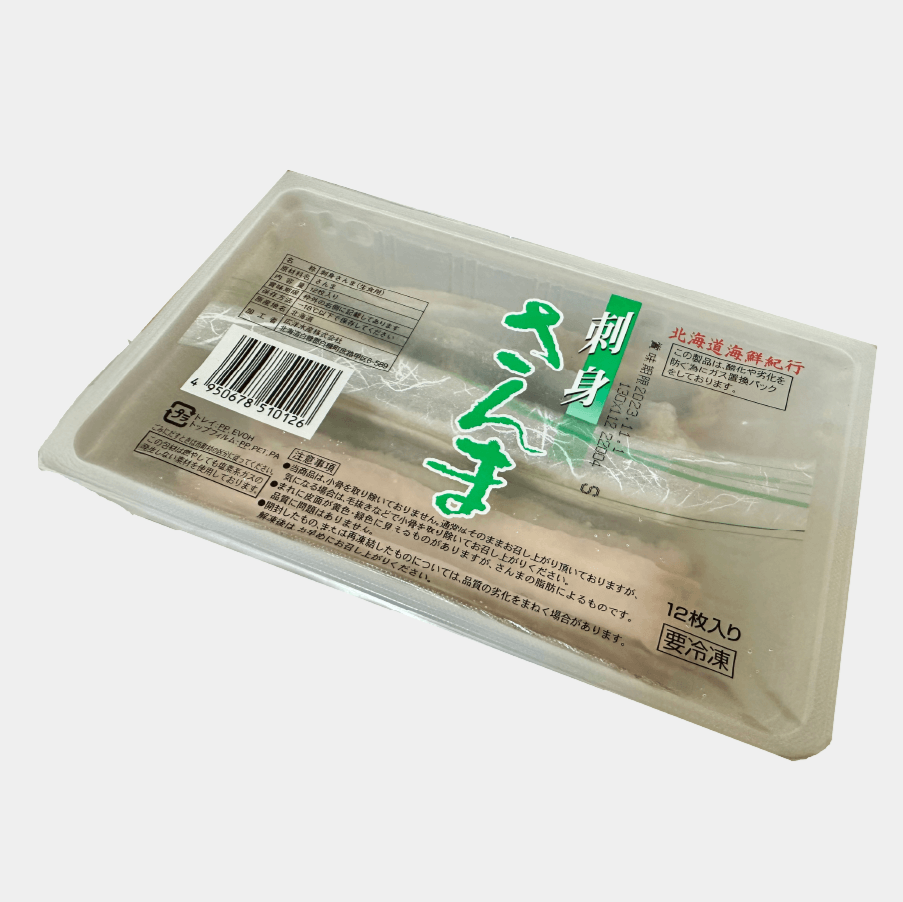
Frozen Sanma Sashimi
Shipping & Origin
More Products
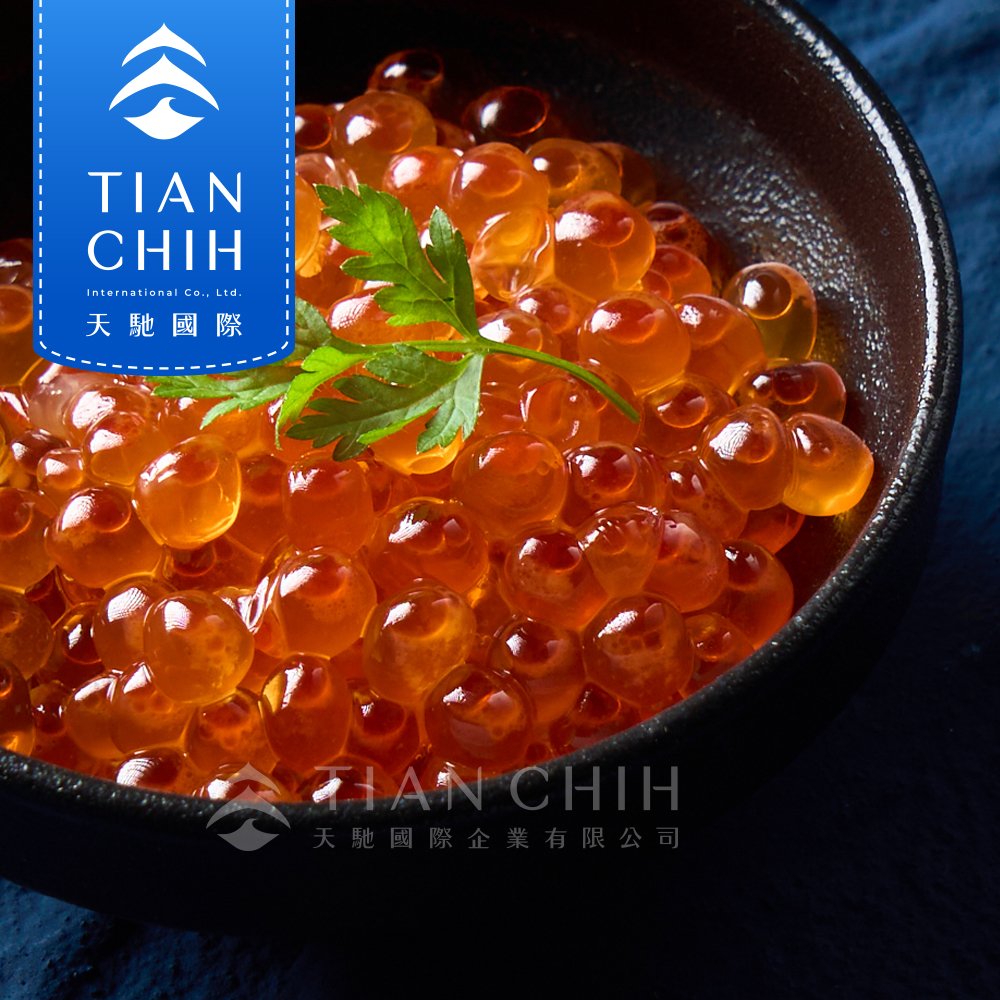
Japanese soy sauce-marinated pink salmon roe (for raw consumption)
Shipping & Origin
【Weight】250g/box
【Origin】Hokkaido, Japan
【Weight】250g/box
【Origin】Hokkaido, Japan
【Introduction】
Japanese soy sauce-marinated pink salmon roe (Ikura) is a high-end Japanese ingredient made by separating salmon roe and then marinating it in Japanese soy sauce, allowing each roe to fully absorb the rich aroma of the soy sauce. The outer membrane of the pink salmon roe is soft and elastic, the roe is round and plump, and its color is crystal clear like a gemstone, with a natural pinkish-orange hue. It has a tender and bouncy texture, bursting open with a light bite to release a sweet and fresh seafood flavor, with delicate layers of flavor, neither fishy nor greasy.
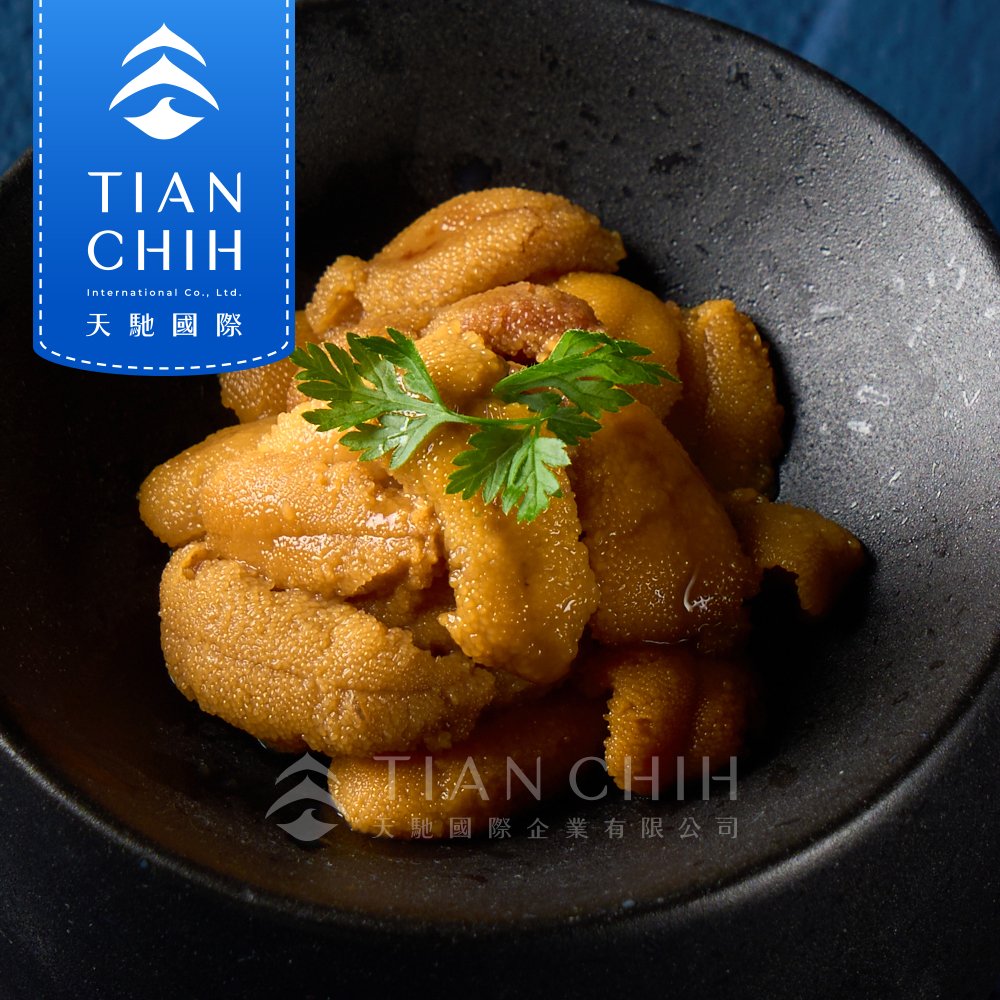
Japanese purple sea urchin (for raw consumption)
Shipping & Origin
【Weight】100g/box
【Origin】Iwate Prefecture, Japan
【Weight】100g/box
【Origin】Iwate Prefecture, Japan
【Introduction】
Iwate Prefecture, Japan – Raw-eating grade purple sea urchin. Sourced from the Sanriku coastal waters where warm and cold currents meet, this sea urchin boasts rich marine ecology and pristine waters. Its naturally unpolluted growing environment ensures stable quality and extremely high freshness, making it suitable for direct consumption as a raw-eating ingredient. Iwate purple sea urchin has a golden-yellow color with a light purple sheen. The sea urchin segments are plump, intact, and finely arranged, with a firm texture that doesn’t easily crumble. Its freshness and grade can be visually assessed, meeting high standards for raw consumption. Raw-eating grade purple sea urchin has a smooth, creamy texture, a rich and sweet flavor with almost no fishy taste. It melts naturally in the mouth like cream, smooth and without any roughness or graininess, offering a delicate and elegant taste experience, earning it the reputation of “gold of the sea.”
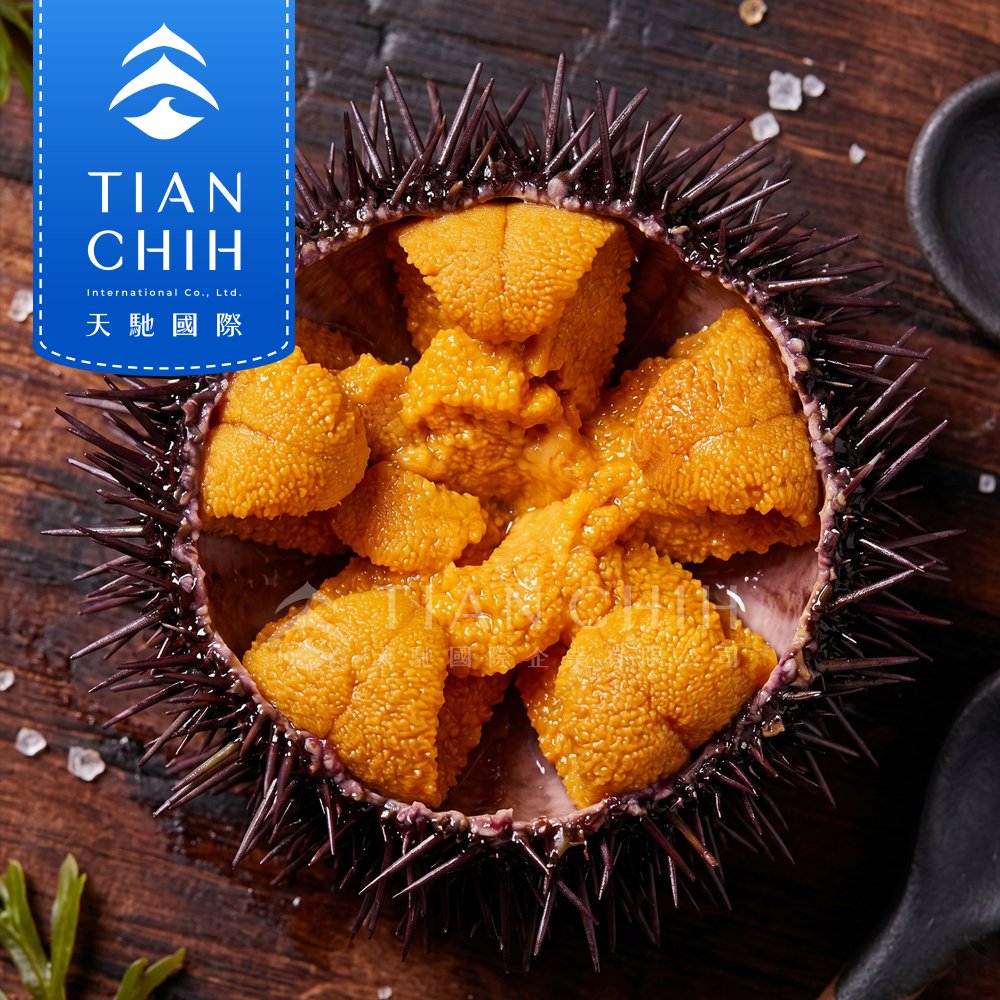
Oursin chilien (à consommer cru)
Shipping & Origin
【Poids】100 g/boîte (3 kg/carton de 30 boîtes)
【Origine】Chili
【Poids】100 g/boîte (3 kg/carton de 30 boîtes)
【Origine】Chili
【Présentation】
L’oursin chilien cru provient des eaux froides et pures du Pacifique, en Amérique du Sud. Grâce à la basse température de l’eau, à sa longue période de croissance et à l’abondance d’algues, l’oursin est plus riche en nutriments, ce qui lui confère une saveur plus intense, une douceur plus prononcée et une amertume moindre. Les segments d’oursin sont charnus et intacts, avec des granules distincts (œufs d’oursin). Sa couleur varie du jaune doré à l’orange, et sa texture est ferme et ne s’effrite pas facilement. Son aspect visuel témoigne de sa fraîcheur et de sa qualité, répondant aux exigences élevées de la consommation crue. L’oursin violet cru possède une texture onctueuse et crémeuse, une saveur riche et douce, et un goût de poisson quasi inexistant. Fondant naturellement en bouche comme une crème, lisse et sans aspérités, il offre une expérience gustative délicate et raffinée, lui valant le surnom d’« or de la mer ».
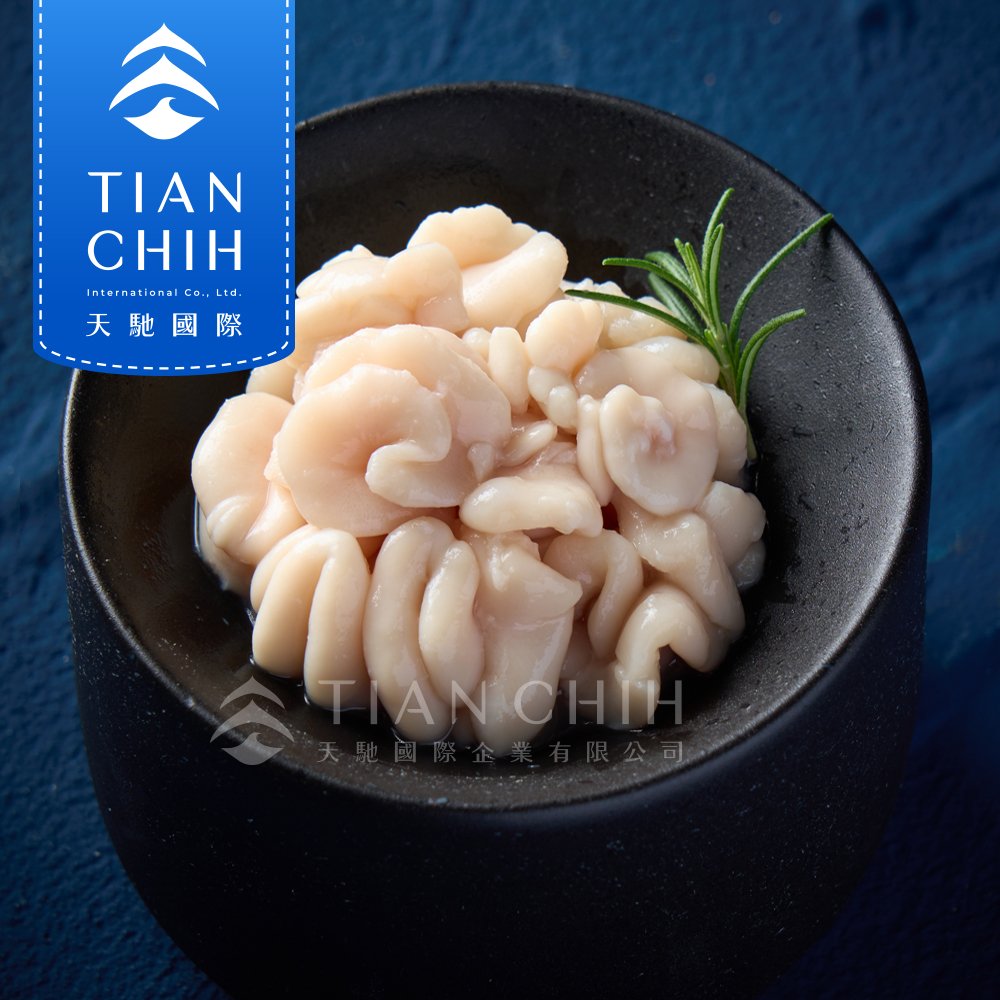
Alaskan Cod Rags (Raw Food Grade)
Shipping & Origin
【Weight】500g/box
【Origin】Taiwan (Produced by Japan)
【Weight】500g/box
【Origin】Taiwan (Produced by Japan)
【Introduction】
Cod milt comes from the cold North Pacific waters off Alaska, USA. It’s a seafood ingredient from cod raised in high-latitude, cold waters, and is then imported to Taiwan for processing (under Japanese supervision). Due to its pristine environment, low water temperature, and consistent quality, the milt is particularly thick and plump. Milt is the testes of the cod, with a milky white and soft appearance, a delicate and smooth texture, and a creamy, melt-in-your-mouth quality – its most distinctive feature, earning it the nickname “fresh cream of the sea.” Cod milt is a concentrated, high-protein, low-fat premium seafood ingredient, considered a luxurious delicacy in the high-end seafood market, and is hailed as “foie gras of the sea.”
[Raw Food Grade Certification]
The term “raw food grade” originated in Japan, where there is a clear inspection and labeling system, including tests for bacteria, heavy metals, and freshness. Only those that pass the tests can be labeled as raw food grade. Therefore, Hokkaido raw food grade scallops imported through legitimate channels have undergone strict safety certification and are safe to eat raw.
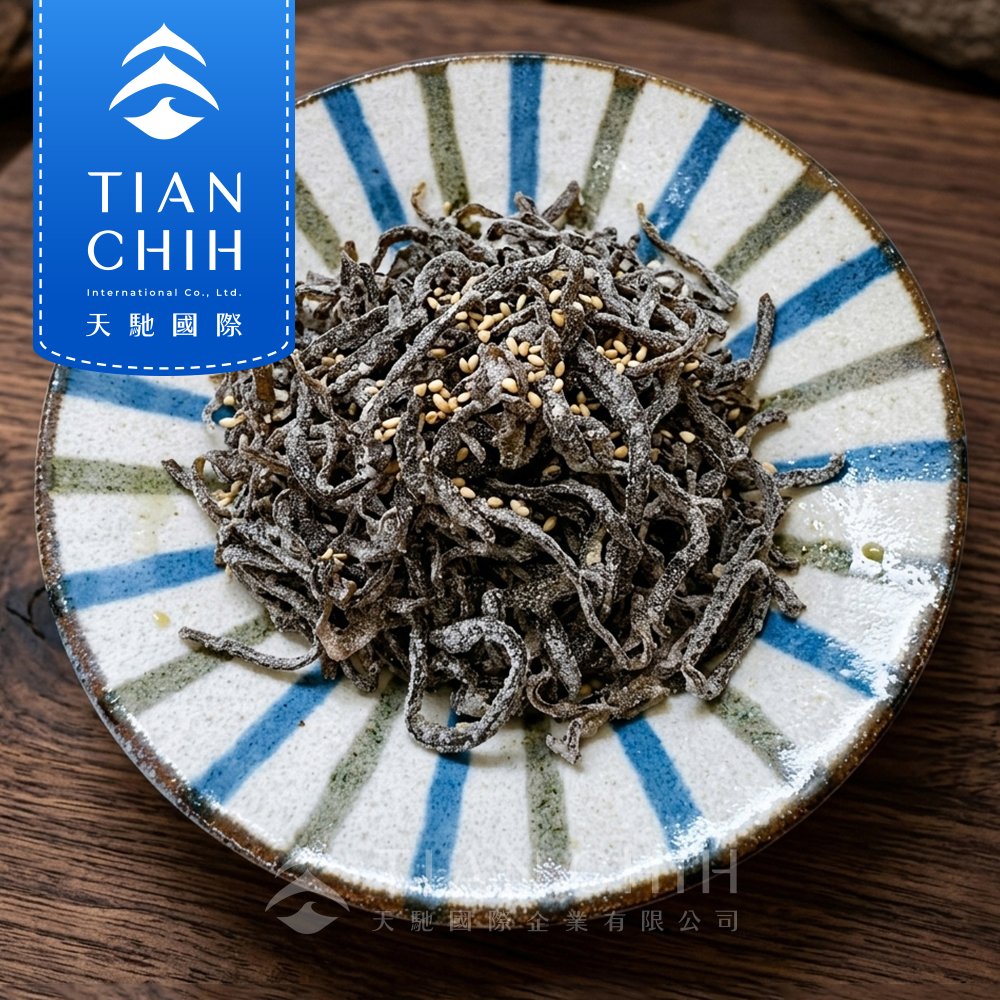
Kurakon Shio Kombu (500g)
Shipping & Origin
【Weight】1 pack(500g), 1 box of 10 packs
【Origin】Osaka Prefecture, Japan
【Weight】1 pack(500g), 1 box of 10 packs
【Origin】Osaka Prefecture, Japan
【Introduction】
Kombu is a type of Japanese brown algae (commonly known as kelp) rich in umami flavor. It is abundant in minerals and trace elements, with higher content than most vegetables. Kombu is a natural MSG (no seasoning required), and due to its unique umami components, it enjoys the reputation of being the “King of Broth” and the “King of Umami,” making it the soul of Japanese cuisine. It is commonly used to enhance umami flavor, simmer dashi (broth), and is an indispensable ingredient in Japanese cooking. Kombu is highly nutritious, containing abundant minerals, low in calories, and rich in calcium, iron, dietary fiber, and antioxidants, making it beneficial to health.Kombu = High Minerals + Seaweed Soluble Fiber + Natural Umami Amino Acids = Low-Calorie Marine Plant Ingredient
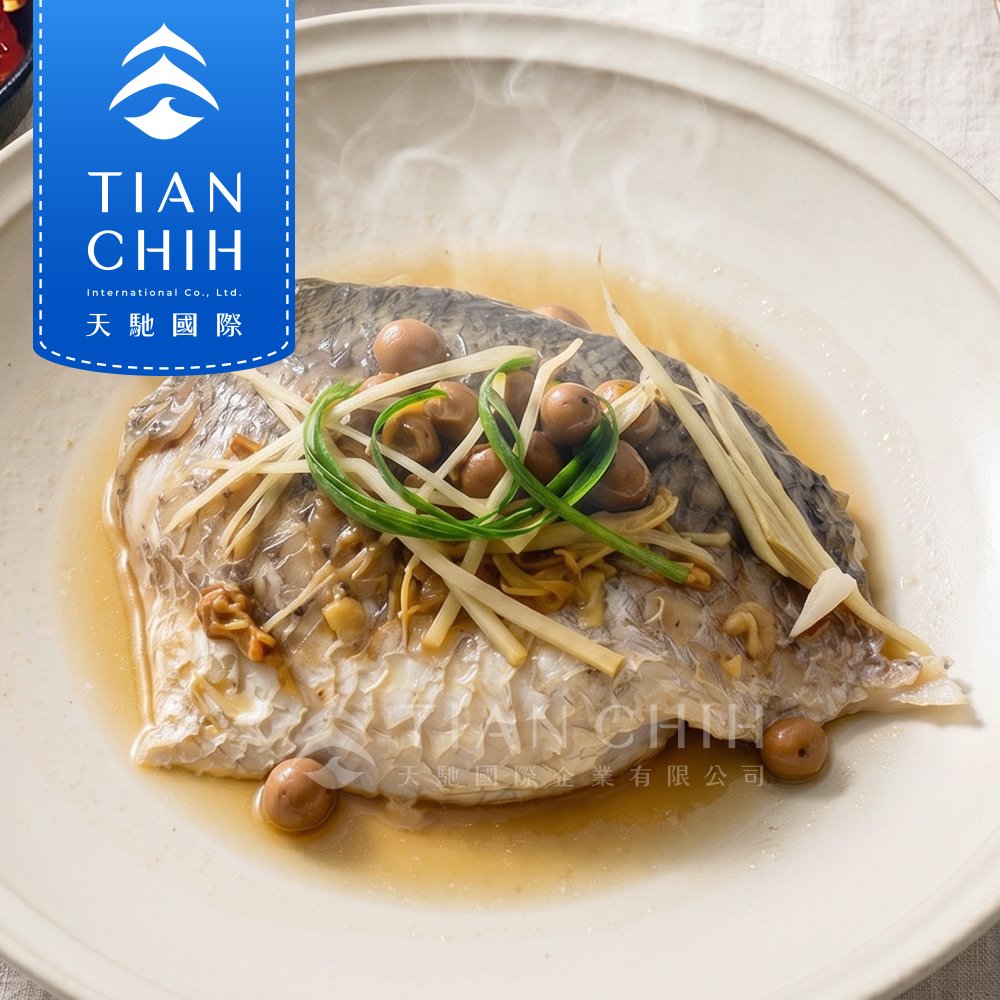
Sea Bass Fillet with Cordia dichotoma
Shipping & Origin
【Specifications】160g
【Origin】Taiwan
【Specifications】160g
【Origin】Taiwan
【Features】
The unique salty-sweet flavor of the *Pobuzi* (tree berries), developed through traditional salting and fermentation, gently enhances the freshness of the sea bass without masking its flavor. The delicate texture of the sea bass fillet contrasts with the slightly fibrous texture of the *Pobuzi*, allowing you to savor the rich, sweet fish juices in every bite. Ready to serve in just 15 minutes, this dish brings restaurant-quality sophistication even to everyday cooking.
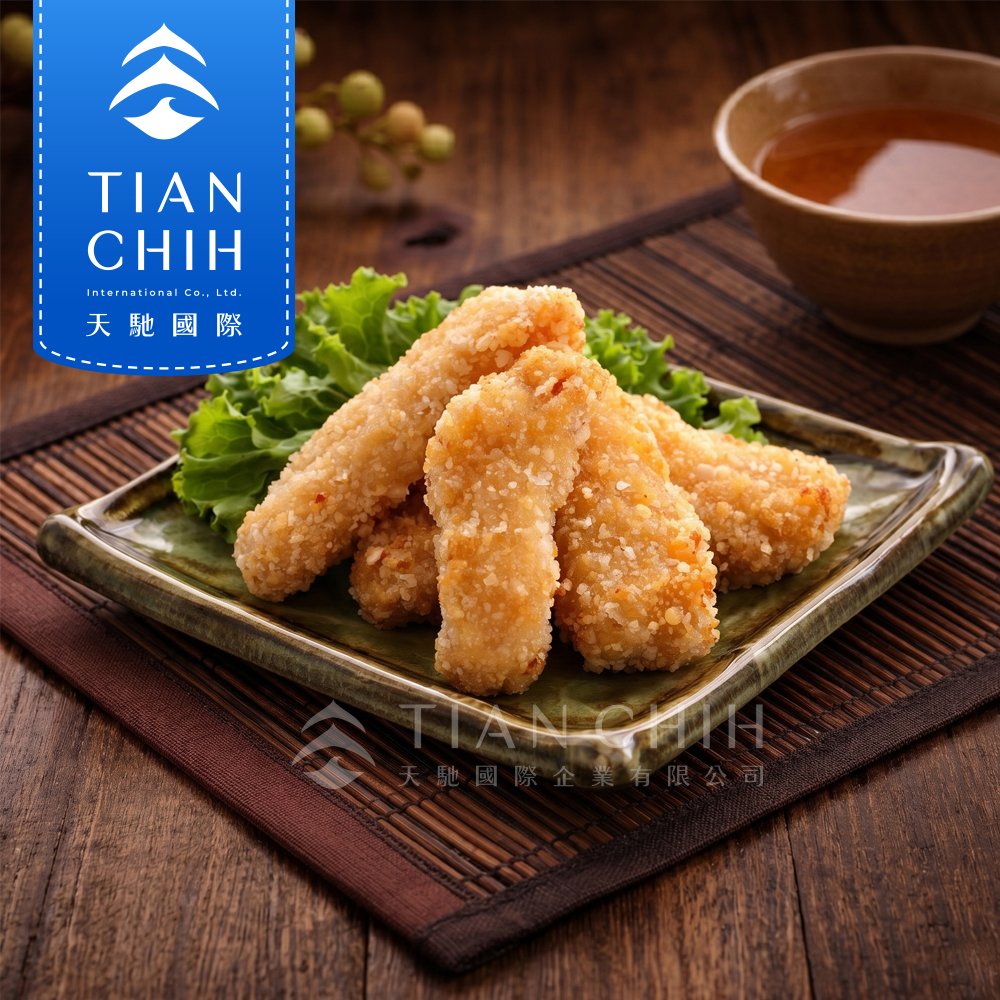
Golden Fish Nuggets
Shipping & Origin
【Specifications】250g/pack, 1kg/pack
【Origin】Taiwan
【Specifications】250g/pack, 1kg/pack
【Origin】Taiwan
【Features】
Crispy on the outside and tender on the inside, each bite reveals the juicy sweetness of the fish. The fried fish pieces, coated in a golden, crispy shell, exude an irresistible aroma. Dipped in sauce, the flavor of the fish pieces becomes even more layered and addictive. Whether enjoyed as a snack or a side dish, the golden fish pieces are a delicious treat that you’ll fall in love with at first bite.
Golden Mahi-mahi chunks
Shipping & Origin
【Specifications】1kg/bag
【Origin】Taiwan
【Specifications】1kg/bag
【Origin】Taiwan
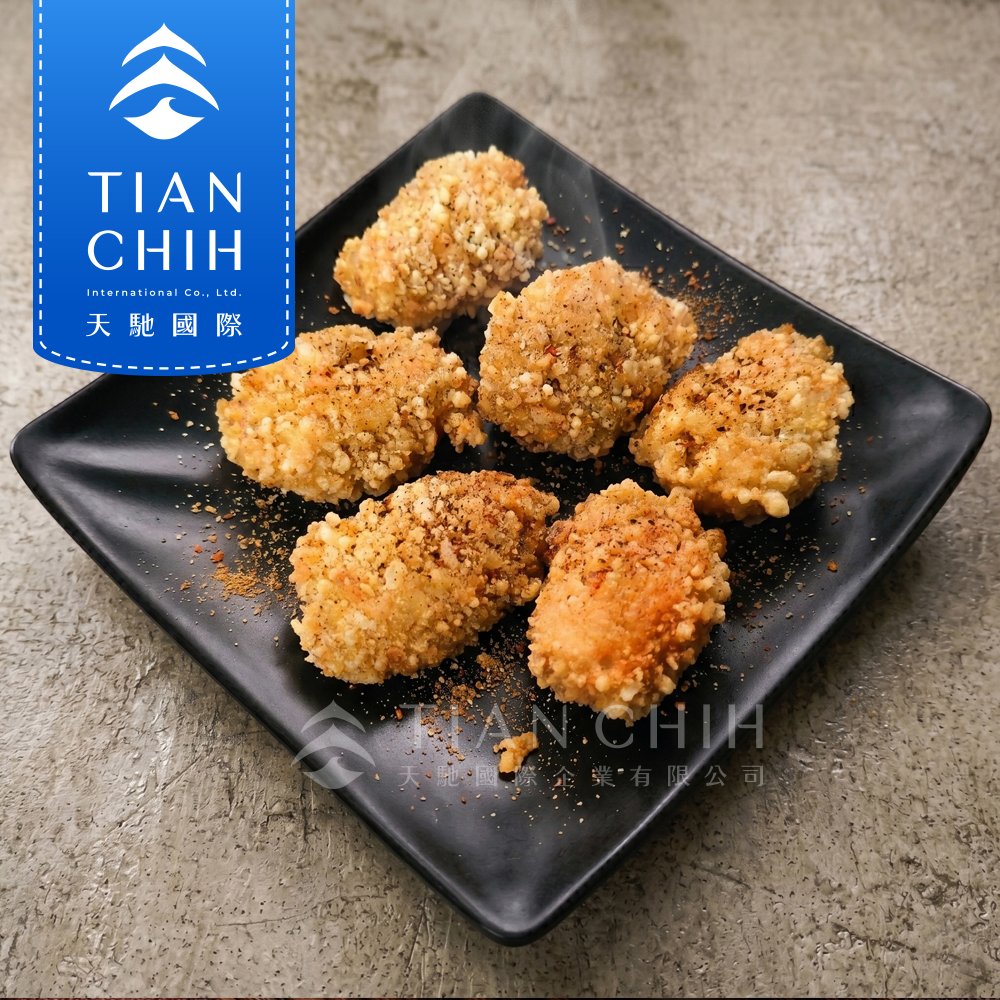
【Features】
Mahikoma, also known as “Flying Tiger Fish,” is a vibrant deep-sea predator, resulting in firm and elastic flesh. We cut freshly caught mahikoma into plump chunks, coat them in a special golden-brown crispy batter, and deep-fry until the surface is a warm, sun-kissed golden-brown crisp. The outer skin crumbles easily with a light bite, producing a delightful “crunch,” perfectly locking in the rich essence of the fish. Mahikoma has a moderate fat content, making it lighter and more refreshing than fatty meats. After biting into the crispy shell, the snow-white flesh releases a subtle sea aroma, and the juices instantly burst in your mouth. No need for excessive seasoning; the pure sweetness alone is irresistible!
Golden willow leaf fish (Female)
Shipping & Origin
【Specifications】500g/pack (M/L/2L)
【Origin】Taiwan
【Specifications】500g/pack (M/L/2L)
【Origin】Taiwan
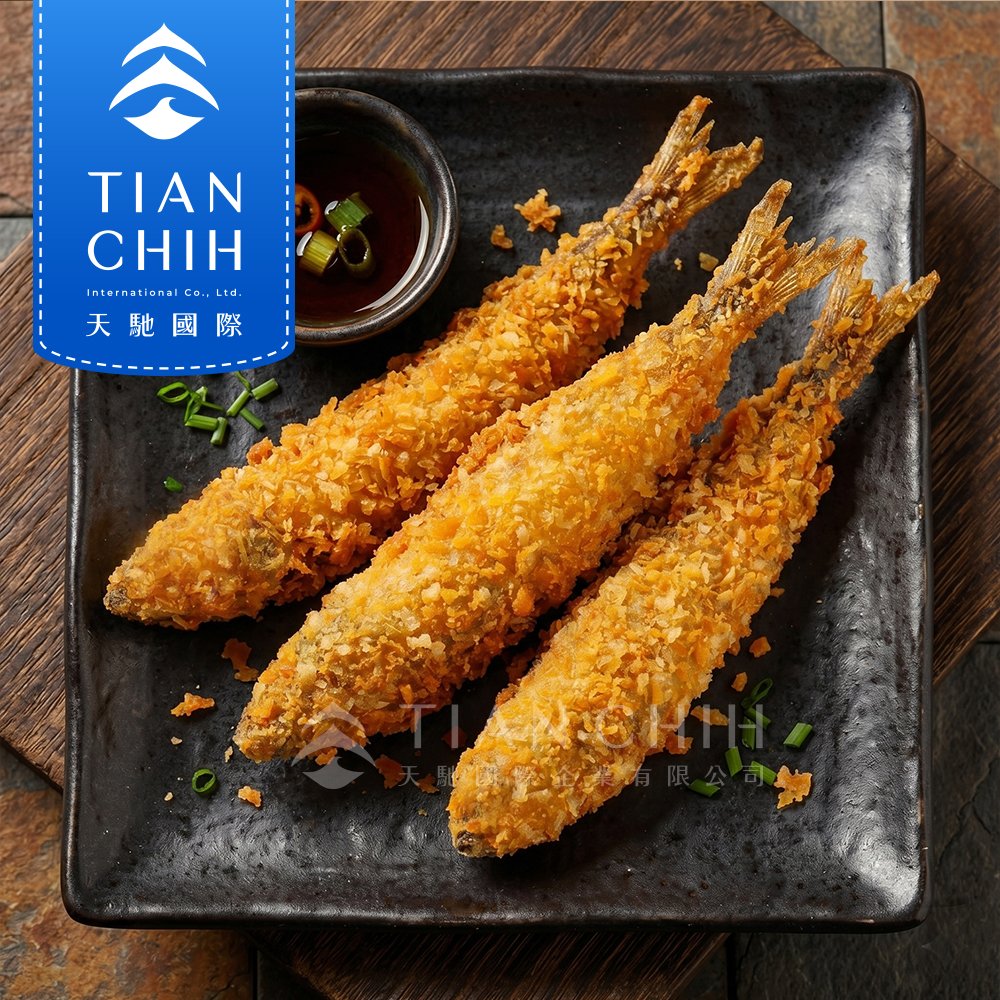
【Features】
Golden willow leaf fish, with delicate and tender flesh, even the bones are easy to eat, making it an excellent choice for calcium supplementation. The tempting golden color after frying perfectly locks in the sweetness of the fish flesh and the moisture of the roe, resulting in a crispy and non-greasy texture that is incredibly appetizing. Made with carefully selected female willow leaf fish with the fullest roe, the fish has a rounded belly and a firm filling. The crisp “crunch” sound when biting into it, accompanied by the “pop” symphony of the roe breaking apart, creates a distinct and exquisite texture.
Semi-dried Kinmedai
Shipping & Origin
【Specifications】1 piece (175g±20), 1 box (6KG/32 pieces)
【Origin】Japan (Processed in Taiwan)
【Specifications】1 piece (175g±20), 1 box (6KG/32 pieces)
【Origin】Japan (Processed in Taiwan)
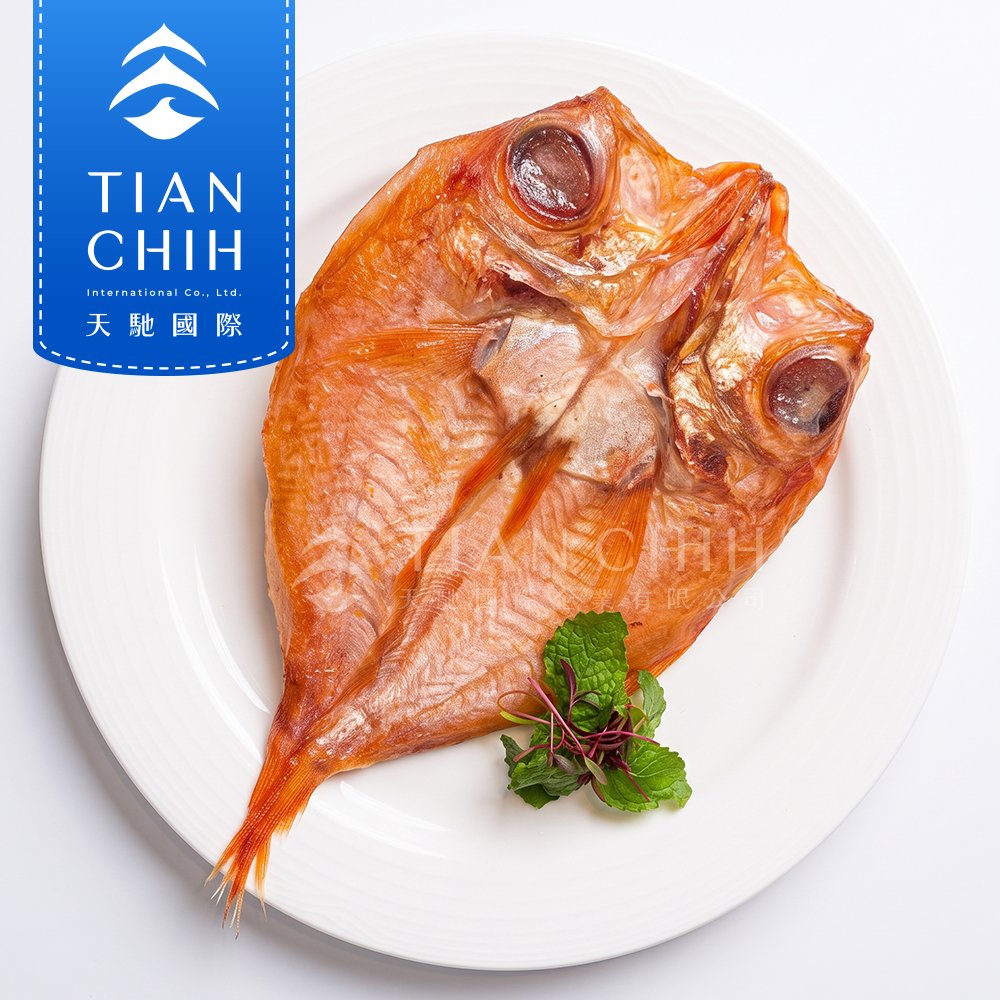
【Features】
“Overnight-Dried Japanese Golden Eye Snapper” uses high-quality golden eye snapper caught in Japanese waters. Its flesh is naturally delicate and rich in flavor. The most captivating aspect is its evenly distributed fat. Through a low-temperature aging process, the fish’s umami and sweetness are locked in overnight during drying, resulting in a more intensely flavorful and aromatic texture. After grilling, the skin develops an enticing golden-brown, slightly crispy appearance, while the flesh remains juicy and flavorful. No complicated seasoning is needed; its unique sweet and savory aroma alone is enough to conquer even the most discerning palate. After thawing, simply steam or microwave for 5-8 minutes to easily create a restaurant-quality dish.
Semi-dried Kinki
Shipping & Origin
【Specifications】1 piece 450g, 7KG/case
【Origin】Japan
【Specifications】1 piece 450g, 7KG/case
【Origin】Japan
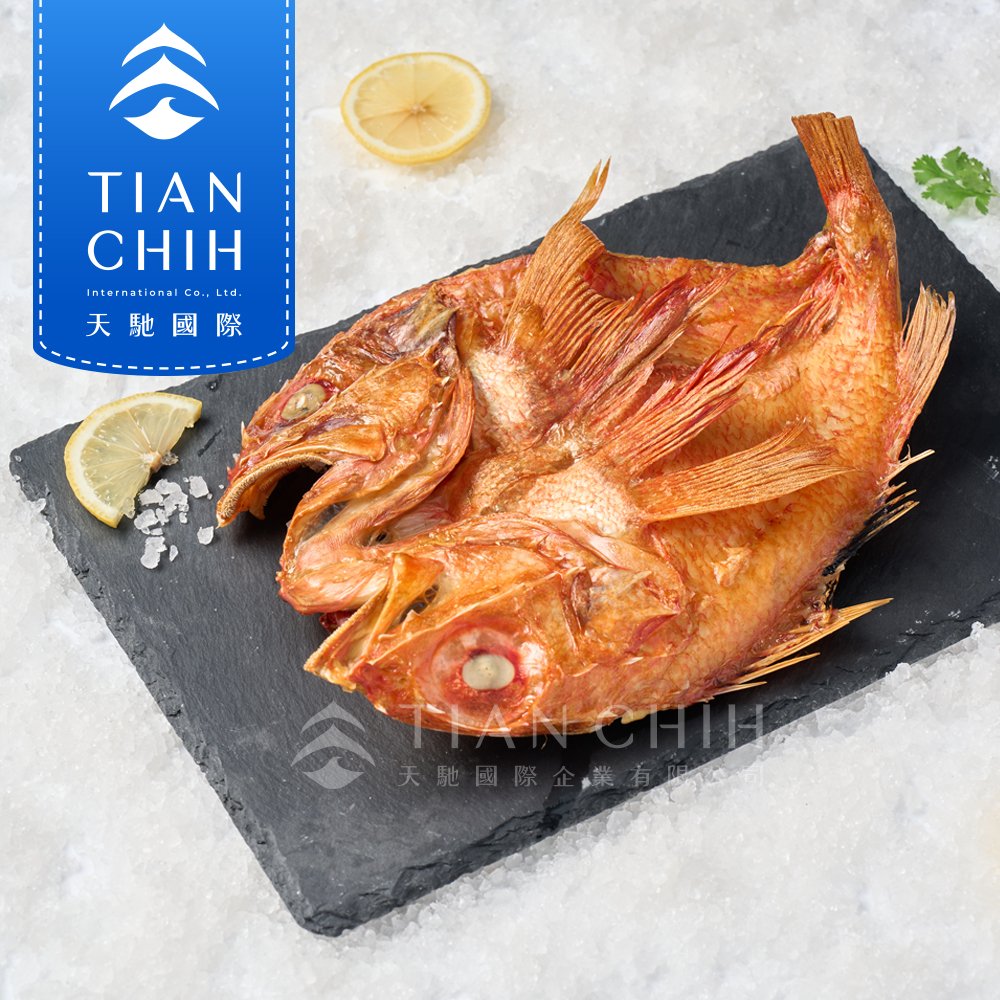
【Features】
Made with rare Kichiji fish from the cold waters of Japan, this fish boasts delicate and tender flesh, renowned as a premium delicacy. It undergoes a traditional overnight drying process at low temperatures, locking in the fish’s sweetness and rich oils for a concentrated and captivating flavor. Its most distinctive feature is the even distribution of oils, resulting in a smooth and delicate texture with a rich aroma that is not greasy. Simple grilling or pan-frying reveals a perfectly layered texture: a slightly crispy exterior and a juicy interior. The subtle saltiness and natural sweetness intertwine, allowing you to savor the deeper flavors of this premium fish with each bite. Whether enjoyed as a main course at a fine dining table or paired with sake, “Japanese Kichiji Overnight Dried Fish” offers a luxurious and irreplaceable ultimate flavor.

If you have more seafood needs,
you can add our official LINE to learn more.